Close
Back


From now on you can download videos from our website
If you would also like to subscribe to the newsletter and receive our latest updates, click on the button below.
Enter the email address you registered with and we will send you a code to reset your password.
The password must be at least 12 characters long, no spaces, include upper/lowercase letters, numbers and symbols.
Click the button to return to the page you were on and log in with your new password.
Updated: 08 July 2026
To keep the Alliance strong and its people safe, NATO Allies have committed to investing 5% of their national GDP in defence. Since making this pledge in June 2025, European Allies and Canada have invested tens of billions more in defence, increasing their spending by nearly 20% in a single year. However, increasing budgets is not enough – NATO must ensure that its defence industry has the capacity to deliver the capabilities needed by Allied forces. To that end, NATO and Allies are working closely with industry partners to rapidly scale up defence industrial production on both sides of the Atlantic.
The NATO Front Door for Industry is the main entry point for industry to discover the opportunities, knowledge and expertise available from NATO, enabling engagement and cooperation. The Front Door web portal is designed to give companies a single, simplified point of access to NATO procurement opportunities, innovation support mechanisms, NATO capability needs, events and an overview of the Allied innovation ecosystem.
Throughout NATO’s history, Allies have invested in defence industrial production to ensure they have the capabilities they need for deterrence and defence, with spending and production levels rising or falling according to changes in the broader security environment.
For example, when the Cold War ended, most military budgets started falling. After the 9/11 attacks, Allies invested in capabilities focused on domestic counter-terrorism measures and out-of-area operations. Following Russia’s illegal annexation of Crimea in 2014, Allies raised their investment in deterrence and defence capabilities focused on NATO territory to address the increased threat on the Alliance’s eastern flank.
Russia’s full-scale invasion of Ukraine in February 2022 and its ongoing war of aggression has shattered peace in Europe and reinforced the need for NATO to ensure that its deterrence and defence posture remains credible and effective. To that end, NATO Allies have further stepped up investments in defence industrial production – both to increase their own capabilities for deterrence and defence, and to replenish the stockpiles that have been depleted by Allies’ support to Ukraine.
Over the past several years, Allies have made significant progress in boosting industrial capacity and ramping up production, including by:
In response to the changed security environment, Allied Leaders agreed the NATO Industrial Capacity Expansion Pledge at the 2024 Washington Summit. This Pledge aims to strengthen transatlantic defence industrial cooperation and is helping Allies restock their arsenals while continuing to send military aid to Ukraine, supporting its right to self-defence against Russia’s war of aggression. Under the Pledge, Allies have committed to:
Allies meet regularly to review progress on these objectives and agree necessary measures to strengthen implementation in all of these areas. The annual Defence Industrial Capacity Expansion Report (see next section) summarises progress made and focus areas for the future.
With the 2024 NATO Industrial Capacity Expansion Pledge (see above), Allies agreed to develop and share their new or revised industrial capacity expansion plans and strategies.
The inaugural 2025 NATO Defence Industrial Capacity Expansion Report provided an overview of Allies’ initiatives in acquisitions, capability development, investments and broader support to the defence industry for the 2024-2025 period. It highlighted efforts on priority areas such as Battle Decisive Munitions (BDMs) across all domains and the creation of important new enabling policies aimed at rapidly expanding the potential of the Alliance’s defence industrial base.
The 2026 NATO Defence Industrial Capacity Expansion Report takes stock of the initiatives put forward by Allies since the 2025 NATO Summit in The Hague and identifies trends and patterns within the Alliance’s industrial ecosystem. In the 2025-2026 period, Allies have made progress in ramping up production capacity for major capabilities, expanding ammunition production and reinforcing initiatives to support defence industrial employment. In addition, Allied private companies have stepped up and pledged substantial upfront investments to meet Allies’ current demand.
The significant efforts made by Allies over the reporting period have increased the collective preparedness, resilience and agility of the Alliance’s defence industry.
The NATO Defence Industrial Capacity Expansion Report tracks the development of activities in several key areas. For example, Allies and industry have made substantial efforts to increase security of supply of critical components.
In June 2024, NATO Defence Ministers endorsed a Defence-Critical Supply Chain Security Roadmap. The Roadmap outlines specific opportunities for cooperation to protect Allies’ supply chains from any possible disruption that could impact NATO’s deterrence and defence.
Substantive progress has been achieved in implementing this Roadmap, including the composition of a list of 12 NATO defence-critical raw materials and the establishment of a multinational initiative by 12 Allies focused on acquiring, storing, transporting and managing stockpiles of defence-critical materials, components and recycled products..
Agreed at the 2023 Vilnius Summit, the Defence Production Action Plan set out a number of specific actions and projects to bolster the Alliance’s defence industrial capacity and production. The Plan consists of three major themes: (1) aggregating demand, (2) addressing defence industrial challenges and (3) increasing interoperability.
In February 2025, NATO Defence Ministers endorsed an updated Defence Production Action Plan, which was approved by Allied Leaders at the June 2025 NATO Summit in The Hague. The updated Plan implements the commitments of the NATO Industrial Capacity Expansion Pledge and supplements the original Plan’s mandate.
Building on existing mechanisms and the three major themes of the 2023 Plan, the updated Defence Production Action Plan aims to take a more comprehensive approach to the complexities of the defence industry, for example by addressing raw materials and supply chains, which are critical to defence production and procurement.
The updated Plan contributes to building the defence industrial capacity required to meet Allies’ capability requirements in full and on-time, meet additional national needs, and enable the modernisation and transformation of Allied forces. NATO and Allies are accelerating the adoption of innovative technologies, not just to address current and near-term capability requirements, but also to maximise the operational effectiveness of systems and platforms over the long term.
NATO will continue to work with the European Union to strengthen coherence and complementarity of respective efforts to bolster the defence industry, including through relevant staff-to-staff dialogues. NATO and Allies will also seek to enhance defence industrial cooperation through focused dialogue and practical cooperation with engaged partners, including Ukraine, and Indo-Pacific partners Australia, Japan, the Republic of Korea and New Zealand.
With the updated Defence Production Action Plan, Allies commit to doing more together, acting urgently to deliver the most critical capabilities and reinforcing their commitment to NATO standards. They will achieve this through the Plan’s three major themes:
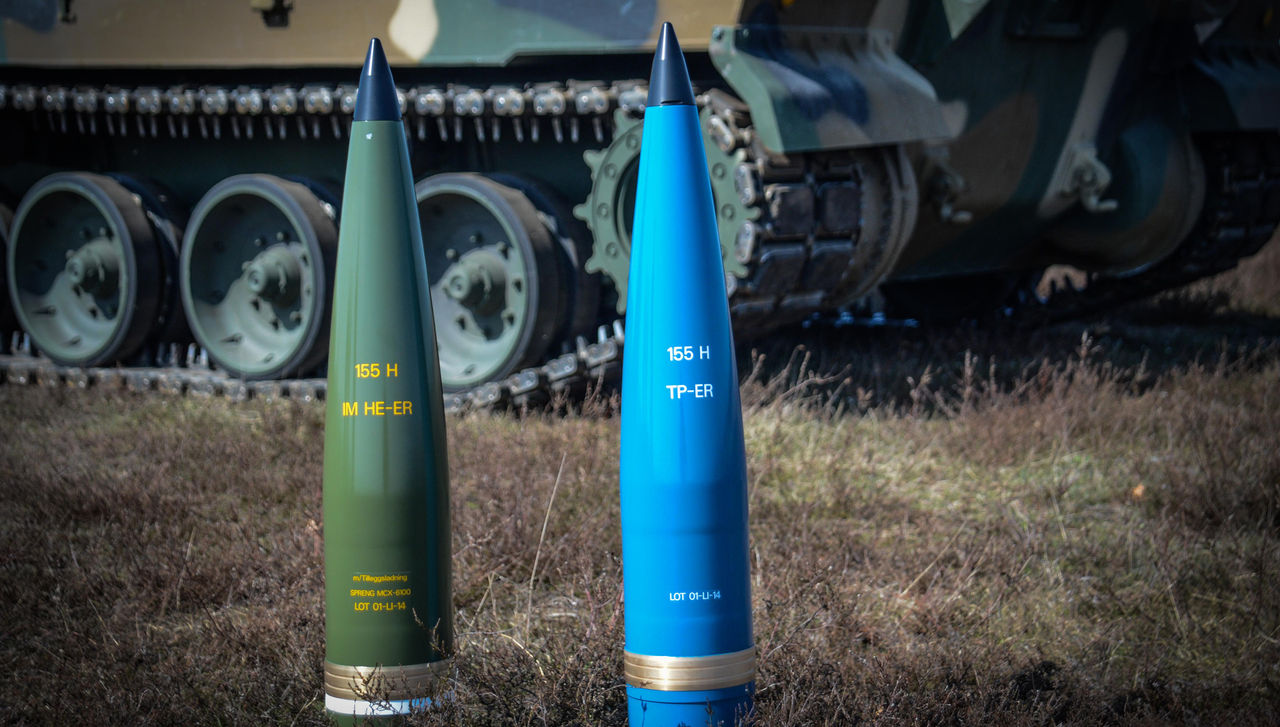
Aggregating demand means combining large numbers of equipment orders from Allies and harmonising specific requirements. This can provide industry with clear and predictable requirements, which helps the market understand exactly what Allies need and encourages industry to invest in long-term production capacity. The Defence Production Action Plan is facilitating aggregation of demand, including multi-year procurement contracts; helping to identify more agile procurement and funding mechanisms; and providing increased insight and clarity for industry on stockpile and production requirements by communicating NATO's Aggregated Demand Signal to industry at the appropriate level of classification.
The Plan is stimulating greater usage of both existing NATO frameworks for aggregating demand, as well as the creation of new flexible mechanisms to address critical needs. Aggregating demand through multinational cooperation, including by making use of NATO’s High Visibility Projects, can help drive greater interoperability of key systems and interchangeability of munitions.
Allies are pursuing a wide range of joint procurement, production and capability development initiatives in the following areas:
The Plan highlights the need for sufficient and sustainable defence industrial capacity. As more orders have been placed by Allies, delivery times for certain munition types have lengthened.
Allies established the Defence Industrial Production Board (DIPB) to better coordinate their efforts. The Board’s main goal is to make recommendations on enhancing the industrial production capacity of the Alliance. To achieve this goal, the DIPB acts as a forum for Allies to exchange views on defence industrial capacity and defence-critical supply chains. In this forum Allies pool expertise, identify risks and best practices, and formulate lessons learned.
The Action Plan also underlines the need to strengthen mechanisms for engaging with industry and ensuring their perspective is fully taken into account.
The third element of the Plan is interoperability and standardization, focusing on improving and streamlining the interoperability of NATO munitions. Interoperability ensures that all Allies can operate together to achieve common goals, including by using equipment that meets NATO standards. The Plan outlines a set of activities to improve the materiel standards review process, increase visibility on the status and level of implementation of standards across the Alliance, and support NATO materiel and technical standards in Allies’ national capability requirements.
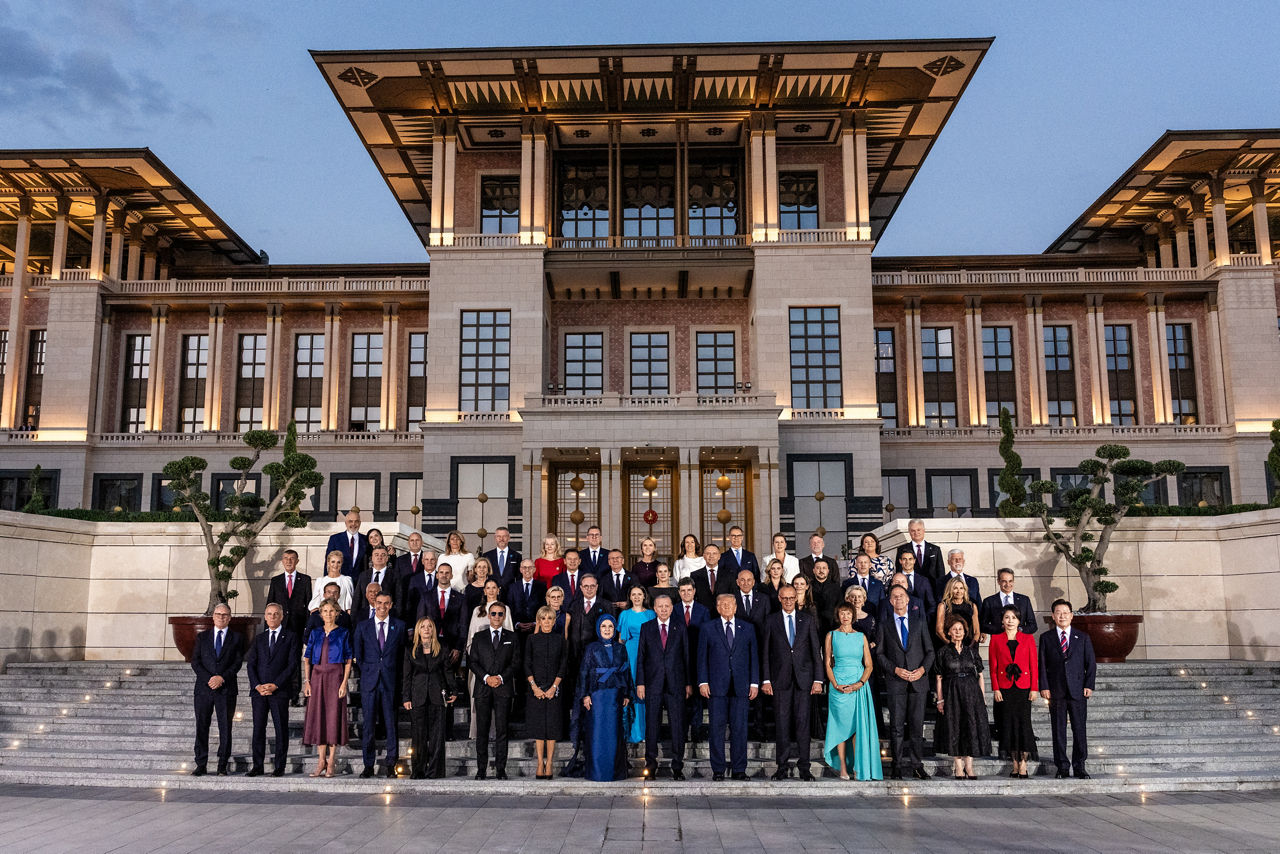
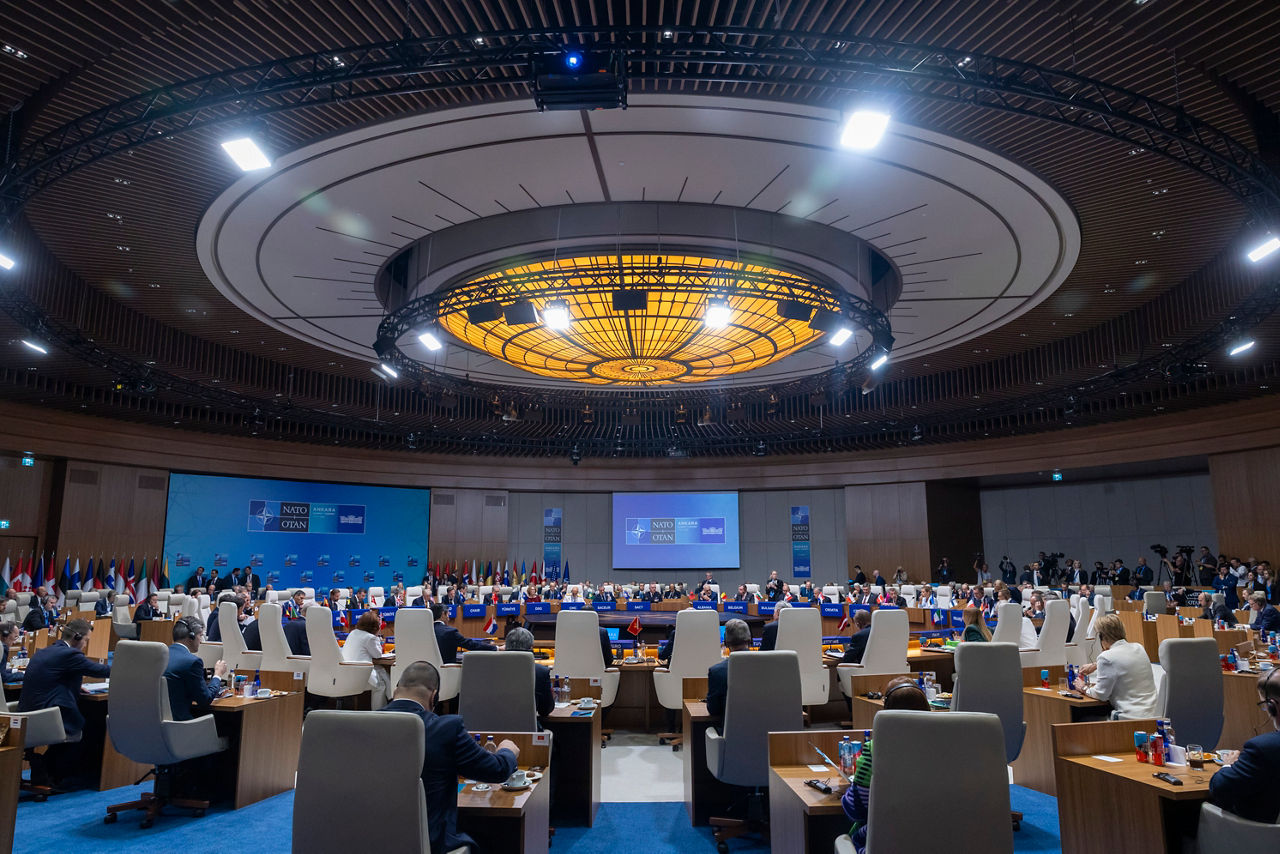
With the Strategy for Industry-NATO Cooperation, endorsed at the 2026 Ankara Summit, NATO and Allies have committed to further strengthening their relationship with industry and putting into place an even more robust collaborative approach.
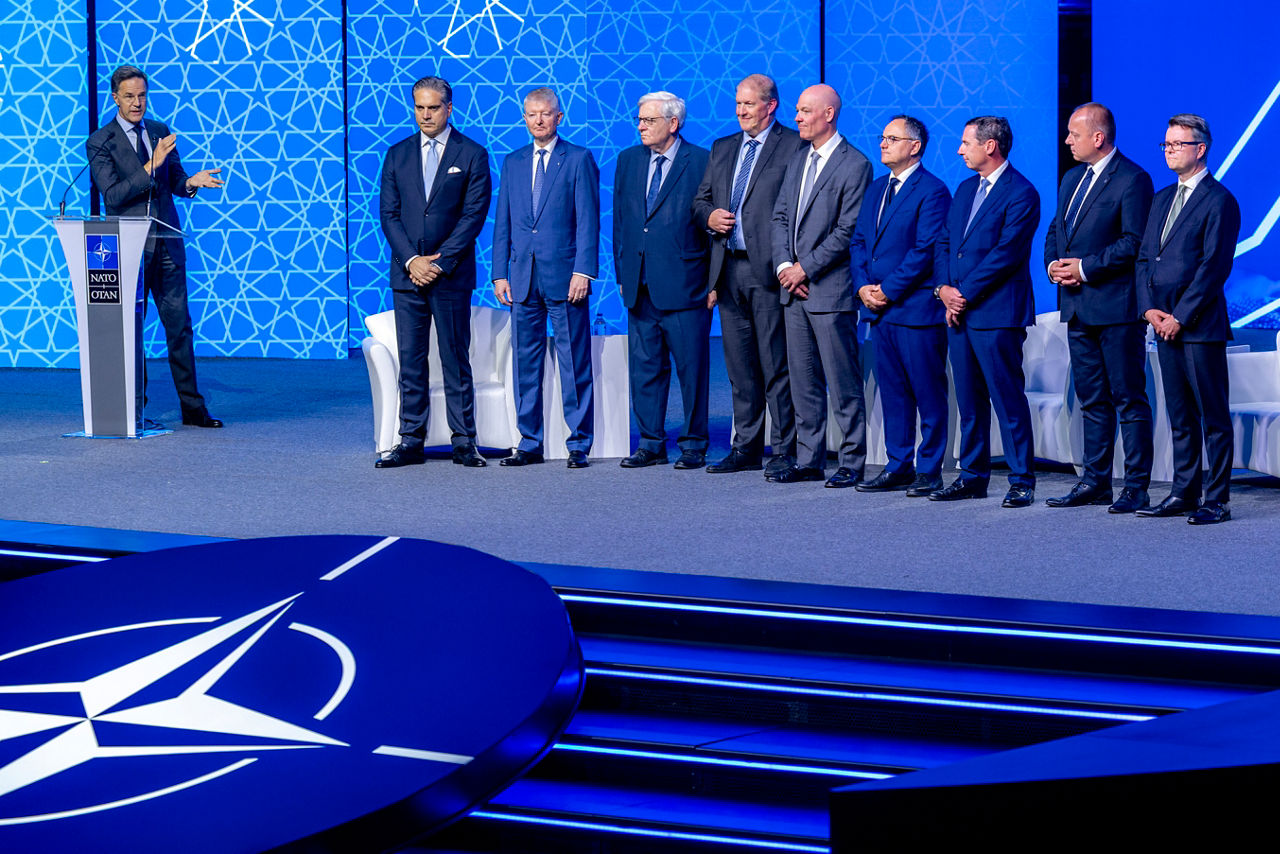
The Strategy aims to deepen the relationship between industry and NATO by facilitating greater insight for industry into the capability needs of both Allies and NATO as an Organization. It will help open up new pathways for collaboration, recognising the importance of industry perspectives throughout the capability lifecycle. The Strategy will simplify how industry interacts with NATO and create more opportunities for companies, including non-traditional suppliers and small and medium-sized enterprises (SMEs).
The Strategy sets out three complementary strategic objectives, which constitute the priority areas for industry-NATO cooperation:
The Strategy will be operationalised through a dedicated implementation plan, in consultation with industry through the NATO Industrial Advisory Group (NIAG) and the Defence Industrial Production Board (DIPB).
The NATO Engine is a new framework aimed at expanding industrial production capacity across the Alliance by connecting available factory capacity and fostering cross-border collaboration between European, Canadian and US companies. Managed by the NATO Support and Procurement Agency (NSPA), the NATO Engine will help the Alliance meet the large and growing demand for industrial capacity, particularly for air defence and strike capabilities.
At the 2025 NATO Summit in The Hague, Allies committed to investing 5% of Gross Domestic Product (GDP) annually by 2035. This includes at least 3.5% on core defence requirements for Allied militaries to meet NATO’s Capability Targets and up to 1.5% on defence- and security-related spending, such as critical infrastructure protection. These investments will ensure that NATO has the forces, capabilities, resources, infrastructure, warfighting readiness and resilience needed to maintain its military and technological edge over potential adversaries, which is key to the Alliance’s deterrence and defence posture.
The 2025 defence investment plan builds off a previous pledge made at the 2014 Wales Summit, where Allies agreed to commit a minimum of 2% of GDP to defence spending by 2024. As part of the 2014 pledge, NATO Allies also agreed that at least 20% of defence expenditures should be devoted to spending on major equipment, including the associated research and development. This metric is perceived as a crucial indicator for the scale and pace of modernisation; where expenditures fail to meet the 20% guideline, there is an increasing risk of equipment becoming obsolete, growing capability and interoperability gaps among Allies, and a weakening of the defence industrial and technological base.
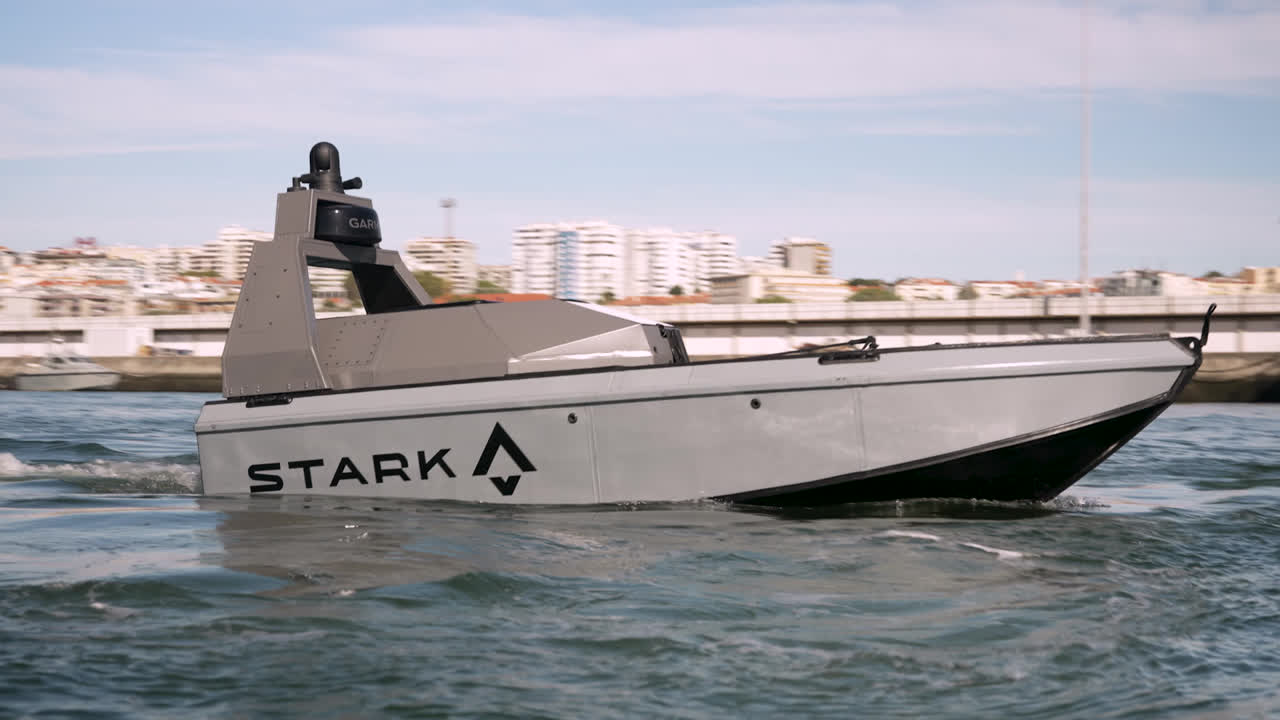
In addition to taking steps to ensure a sustained level of defence industrial production, NATO also cooperates with the defence industry on innovation in order to maintain the Alliance’s technological edge. Emerging and disruptive technologies like artificial intelligence, autonomous systems, biotech and quantum technologies are changing the character of conflict. NATO is working with Allies, partners and the private sector to develop and adopt new technologies, shape global standards and embed principles of responsible use that reflect the Alliance’s democratic values.
NATO coordinates capability development and engagement with the defence industry through the Conference of National Armaments Directors (CNAD), the principal committee that brings together top national officials responsible for defence procurement in NATO member and partner countries.
The CNAD facilitates the implementation of decisions taken by Allies as part of the NATO Defence Planning Process (NDPP). Through the NDPP, NATO identifies the capabilities that it requires, and promotes their development and acquisition by Allies.
The Defence Industrial Production Board (DIPB), created as a result of the Defence Production Action Plan in December 2023, brings together Allied experts to improve the understanding of risks and opportunities in the domains of defence production, industrial capacity and supply chains. These experts also seek to improve Allied understanding on expanding industrial capacity, the different challenges faced by industry and possible barriers to the transfer of capabilities. The Board meets at least twice a year and reports to the CNAD.
The NATO Industrial Advisory Group (NIAG) is a high-level consultative body of senior industrialists from NATO Allies and partner countries. It advises the CNAD on how to foster government-to-industry and industry-to-industry armaments cooperation within the Alliance, and provides industry expertise to the DIPB.
The NATO Support and Procurement Agency (NSPA) plays a key role in the Alliance’s logistics and procurement activities by acquiring, operating and maintaining a wide range of capabilities that support NATO, Allies, partners and other international organisations.
8 July 2026
8 July 2026
8 July 2026
25 June 2025
13 February 2025