
Close
Back


From now on you can download videos from our website
If you would also like to subscribe to the newsletter and receive our latest updates, click on the button below.
Enter the email address you registered with and we will send you a code to reset your password.
The password must be at least 12 characters long, no spaces, include upper/lowercase letters, numbers and symbols.
Click the button to return to the page you were on and log in with your new password.
For more than one hundred years, including throughout the entire First World War, the Netherlands maintained a policy of neutrality. But after the country and some of its colonies were invaded and occupied during the Second World War, Dutch leaders concluded that the only way to ensure their country’s security was to form a defensive alliance with their European and North American neighbours.
Becoming a founding member of NATO in 1949 – and also helping to found the United Nations, and lay the foundations for today's European Union – gave the Netherlands a much larger role in international affairs than its size would normally suggest. This active participation in international institutions, along with its strong commitment to the international legal order, has formed a cornerstone of the Netherlands’ foreign and security policy ever since.
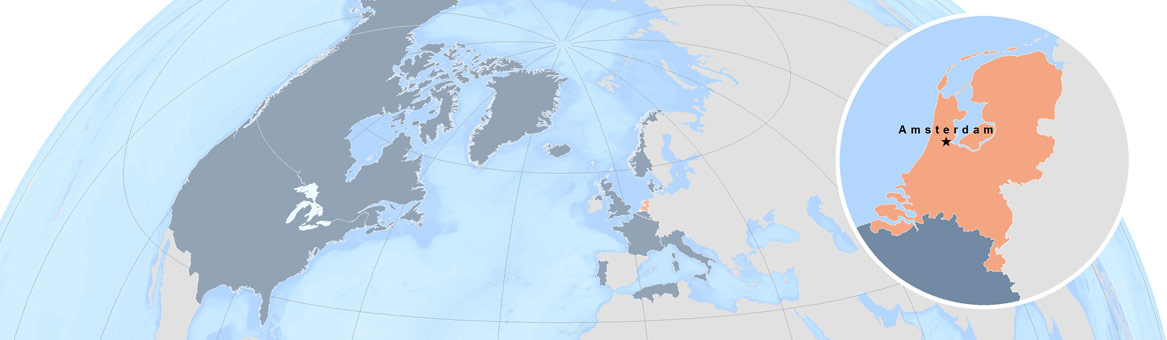
The Netherlands and its NATO Allies in 1949, the year it helped found NATO.
"We who are vitally interested in the security of the North Atlantic area henceforth stand united in our resolve to repel aggression, just as we stand united in our resolve not to attack others."

Foreign Minister of the Netherlands speaking at the signing of the North Atlantic Treaty Washington, D.C., 4 April 1949
The Netherlands is one of the clearest examples of the claim that geography is destiny – its name literally means ‘low countries’. With a significant part of its territory at or below sea level, it is known worldwide for its expertise in water management and its conversion of former seabed into rich agricultural lands. It is also known as a major hub for shipping and commerce, with its long coastline and large ports. Indeed, the land of Van Gogh and Erasmus has been a seafaring country for centuries, sending its citizens across Europe and around the world, establishing a global network of shipping routes and trading partners.
Over the centuries, the Netherlands’ exposure to different customs and cultures from around the world created an openness of mind that became a core part of its own culture. This openness also led to a high level of social tolerance on issues as fundamental as life and death, and a recognition of the wide range of perspectives that come from the broader world. The country’s consideration for issues beyond its borders is reflected in the Dutch constitution, which states that “the government shall promote the development of the international legal order”.
This worldview and the country’s geography go together, and help to explain the Netherlands’ foreign policy choices. Although its vast commercial empire had faded from its Golden Age peak by the time it joined NATO, international commerce remained crucial to the Dutch economy throughout the 20th century, and continues to the present day. It is therefore no surprise that the Netherlands played a strong role in the creation of NATO and other bodies promoting international stability and cooperation.
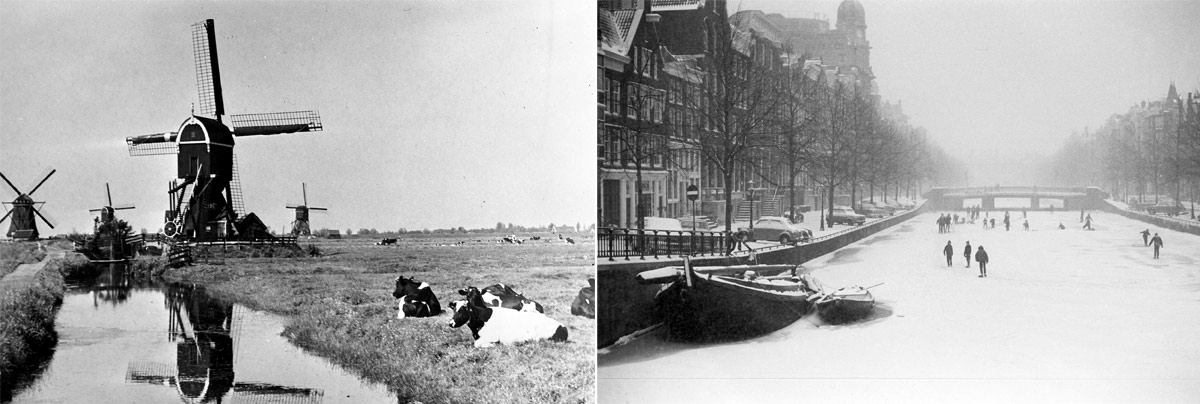
Scenes of the Netherlands from the 1950s.
At the crossroads of Europe, the Benelux countries (Belgium, the Netherlands and Luxembourg) were repeatedly drawn into, and suffered from, conflicts between their larger neighbours. The two World Wars were no exception. On 10 May 1940, Nazi Germany invaded the Netherlands and the country surrendered a few days later. The Dutch government went into exile in England, as did the Dutch royal family, part of which moved across the Atlantic to Canada for additional safety.
Tulips from a princess
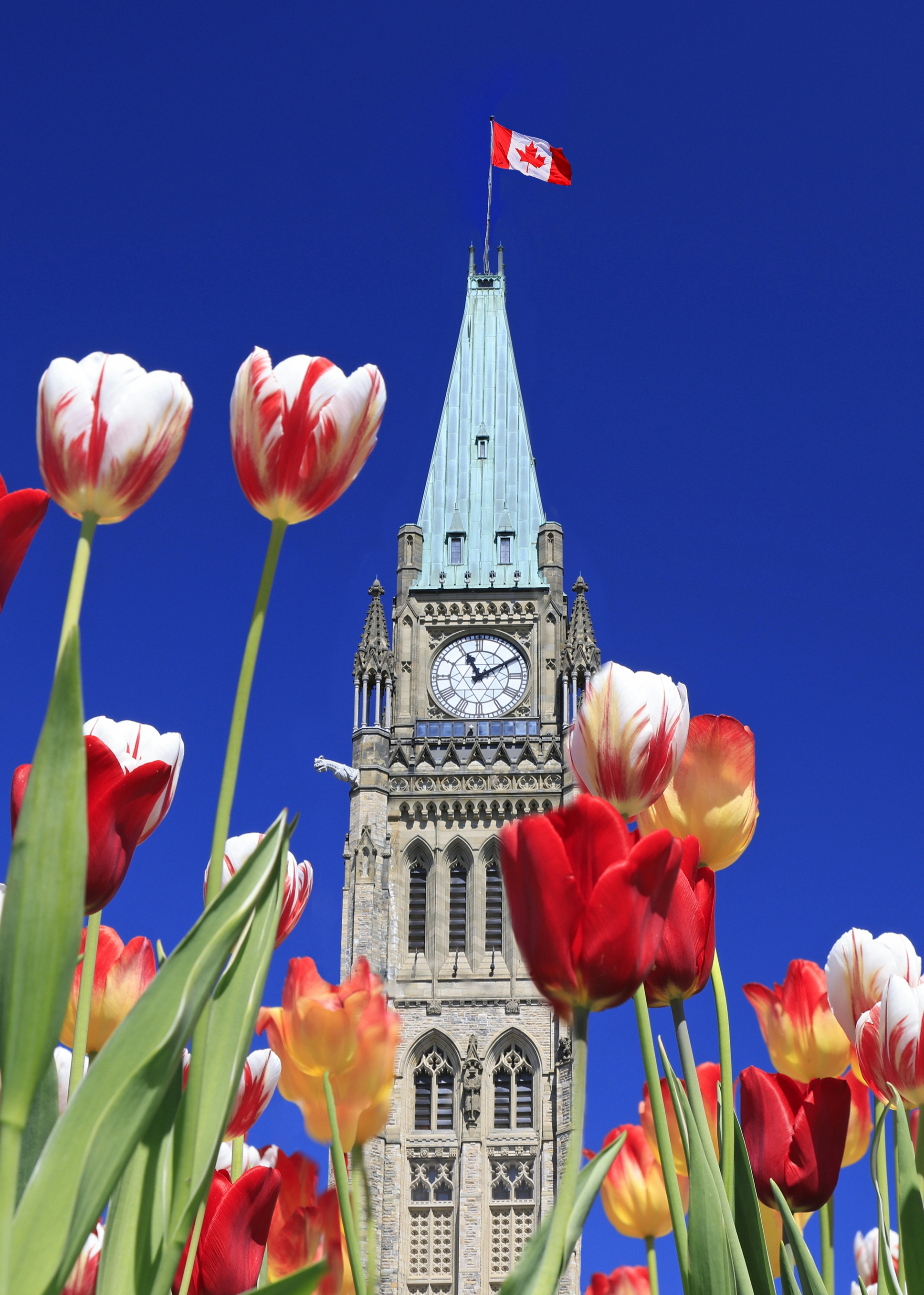
Every spring, Canada’s capital city Ottawa blooms with thousands upon thousands of tulips. Many of these flowers are an annual gift from the Netherlands, which has been sending 20,000 tulip bulbs every year for more than 80 years. This gesture of friendship commemorates the role that Canada played liberating the Netherlands during the Second World War, honouring the thousands of Canadian troops who died.
The tulips also recognise Ottawa’s place as a safe haven for members of the Dutch royal family during the war – particularly for Princess Juliana (heir to the Dutch throne and later Queen), who gave birth to Princess Margriet in the city in 1943. The Canadian government even declared the maternity ward in which Princess Margriet was born to be temporarily "extraterritorial" (outside of Canadian jurisdiction), so that the princess did not automatically acquire Canadian nationality (which could have complicated the Dutch line of succession). Even more remarkably, a Dutch flag was allowed to fly from the Canadian Parliament building on the princess’s birthday (19 January 1943) – the only flag of a foreign country to have ever been allowed to fly on the Peace Tower.
In London, the Benelux Foreign Ministers Eelco Van Kleffens (the Netherlands), Paul-Henri Spaak (Belgium) and Joseph Bech (Luxembourg) developed a close personal wartime relationship. They were strong supporters of Western European unity and maintaining close ties with the United Kingdom. All three Benelux countries signed the United Nations Charter in San Francisco in June 1945.
Later, due to the increasing fear of Soviet expansionism, they actively contributed to the creation of the Western Union with the signing of the Brussels Pact in 1948, the first guarantee of their security within a regional defensive alliance. The Dutch were convinced that regional cooperation was the necessary first step before global cooperation, and the paralysing effect of the Soviet veto in the United Nations Security Council confirmed that opinion. Moreover, with the creation of the Western Union, the Benelux countries, France and the United Kingdom proved to the United States that they could cooperate effectively, attracting greater American involvement on the European continent.
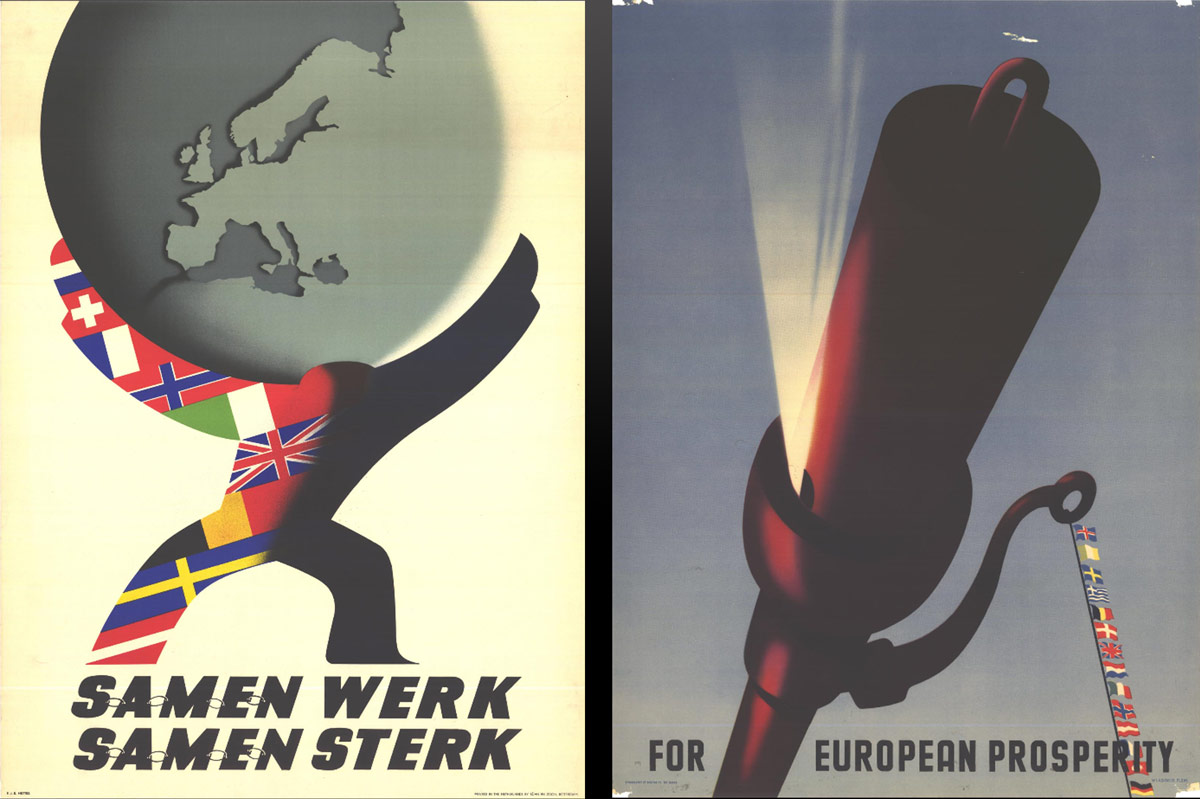
Marshall Plan posters designed by Dutch designer and cartoonist F.J.E. Mettes (left) and artist Wladimir Flem (right).
American engagement was crucial for the reconstruction of war-torn Europe, particularly for countries like the Netherlands. On the economic front, the Netherlands had been devastated during the war, with massive damage to its critical infrastructure. At the same time, the Dutch East Indies declared independence in 1945, removing this source of colonial profits from the Dutch economy (the Netherlands ultimately recognised the sovereignty of Indonesia in 1949). In this context, the Dutch government had to keep wages and prices under strict control and maintain rationing for a long time. To make matters worse for the Netherlands, an extremely harsh winter in 1946-1947 caused dramatic shortages of food, fuel and coal across Europe. So when the Marshall Plan was announced on 5 June 1947, it was welcomed in the Netherlands, as in many other European countries.
For a country whose foreign policy had been founded on neutrality, the post-war era marked a radical change of direction. Yet these choices were a necessity and in keeping with the spirit of the Netherlands’ constitutional obligations to “promote the development of the international legal order”. As such, joining NATO was generally regarded as the next logical step forward.
On 4 April 1949, Foreign Minister Dirk Stikker signed the North Atlantic Treaty in Washington D.C. on behalf of the Netherlands.
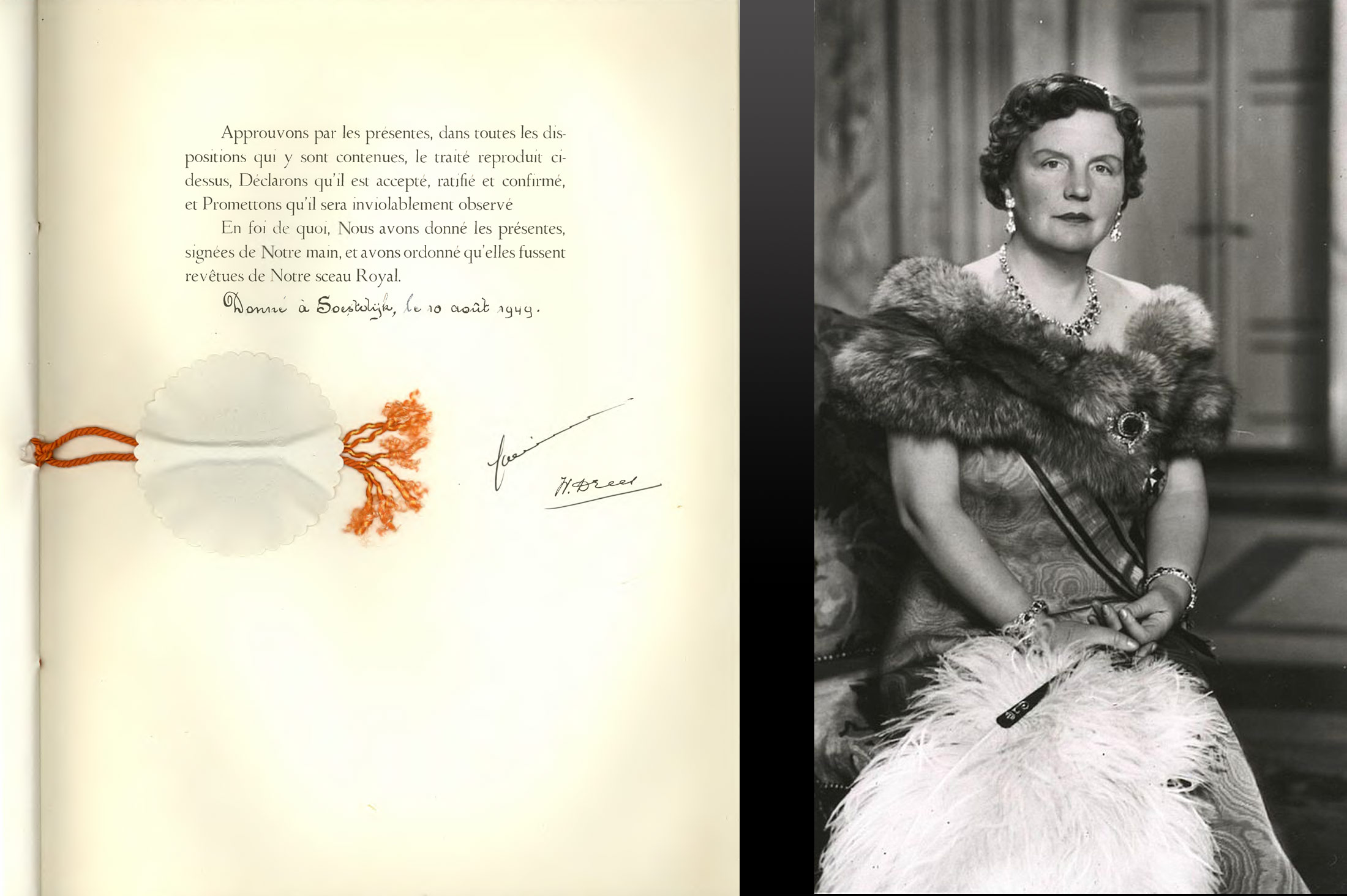
Her Majesty Queen Juliana of the Netherlands signed the Instrument of Ratification of the North Atlantic Treaty in Soestdijk on 10 August 1949.
A few years after joining NATO, the Netherlands became a founding member of the European Coal and Steel Community in 1952 and the European Economic Community in 1957. By joining NATO and these other international institutions (which would eventually lay the foundations for today’s European Union), the Netherlands continued to commit itself to mutually supportive and cooperative agreements.
NATO’s principle of consensus was fundamental for the comparatively smaller members of the Alliance like the Netherlands, giving them a voice at the table with the bigger players. For NATO to succeed, however, it was essential not only for all members to be able to speak at the highest political levels, but for the Allies to become a genuine transatlantic community, bridging their civilian societies and militaries as well.
To ease this process, NATO produced a series of films explaining the culture, traditions, economy and geography of each of its member countries. These films were played in local cinemas and in schools and universities.
NATO also produced posters representing the uniforms and insignia of each of the Alliance's member countries, including the Netherlands. The Dutch Atlantic Association (or Atlantische Commissie) was created in 1952 with the aim of reaching out to the public to explain the Alliance, transatlantic security issues and raise awareness on NATO’s key objectives and activities. Over time, it has been very active in informing diverse audiences and producing educational tools to explain NATO to the young and the less young, and encouraging open debate.

An exhibition on NATO in The Hague on the occasion of the Alliance’s 15th anniversary in 1964.
Water has always been a challenge for the Dutch, but during the Cold War the Netherlands turned it into an unlikely deterrent weapon: a water defence line across the country intended to delay or deter enemy invasions. Inspired by earlier water defences going all the way back to the 17th century, the IJssel Line was built in the early 1950s to deter a potential Soviet invasion. The defensive line consisted of a series of dikes, bunkers and other defensive works, some of which have survived the passage of time and are accessible as part of a Cold War museum.
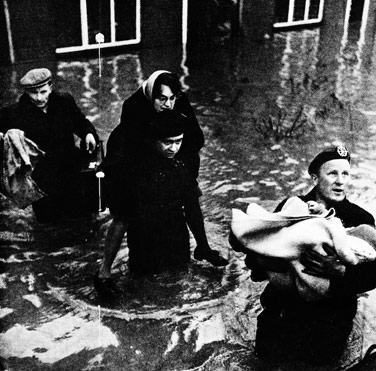
However, water has not always been an ally: in 1953, the Netherlands suffered one of the deadliest floods in its history. During the night of Saturday 31 January, while people were sleeping, a heavy storm triggered flooding that, at times, reached five metres above mean sea level. Over 1,800 people were killed in the Netherlands in the 1953 North Sea Floods, principally in the southern province of Zeeland, and thousands were left homeless or without their livelihood. Although the Netherlands was the worst affected country, the floods also claimed victims in Belgium, England and Scotland, as well as at sea where ships sank or were lost.
For NATO, this catastrophe was an eye-opener: it realised that the capabilities it used to protect citizens against the effects of war could be used against the effects of disasters. It immediately put into place emergency airlifts to drop boxes of supplies over the disaster-stricken areas of the Netherlands. This relief effort was provided by different member countries and coordinated by NATO, a pattern that subsequently formed the basis of an agreed disaster assistance scheme that would be formalised a few years later. In 1958, the North Atlantic Council – NATO’s top political decision-making body – established procedures to coordinate assistance between member countries in the event of disasters. This disaster assistance scheme continued to be used throughout the entire Cold War period.
For the Dutch government, the task was huge: it set about the construction of the Delta Works, a massive system of locks and dams conceived to reduce the risk of flooding in the provinces of South Holland, Zeeland and North Brabant. Never had works of this scale been undertaken. It was a highly complex project that involved the raising of outer sea dikes and of inner canal and river dikes, and the closing of sea estuaries in the province of Zeeland. The intricate and far-reaching network of dams, locks, storm surge barriers, etc., has been called one of the seven wonders of the modern world.
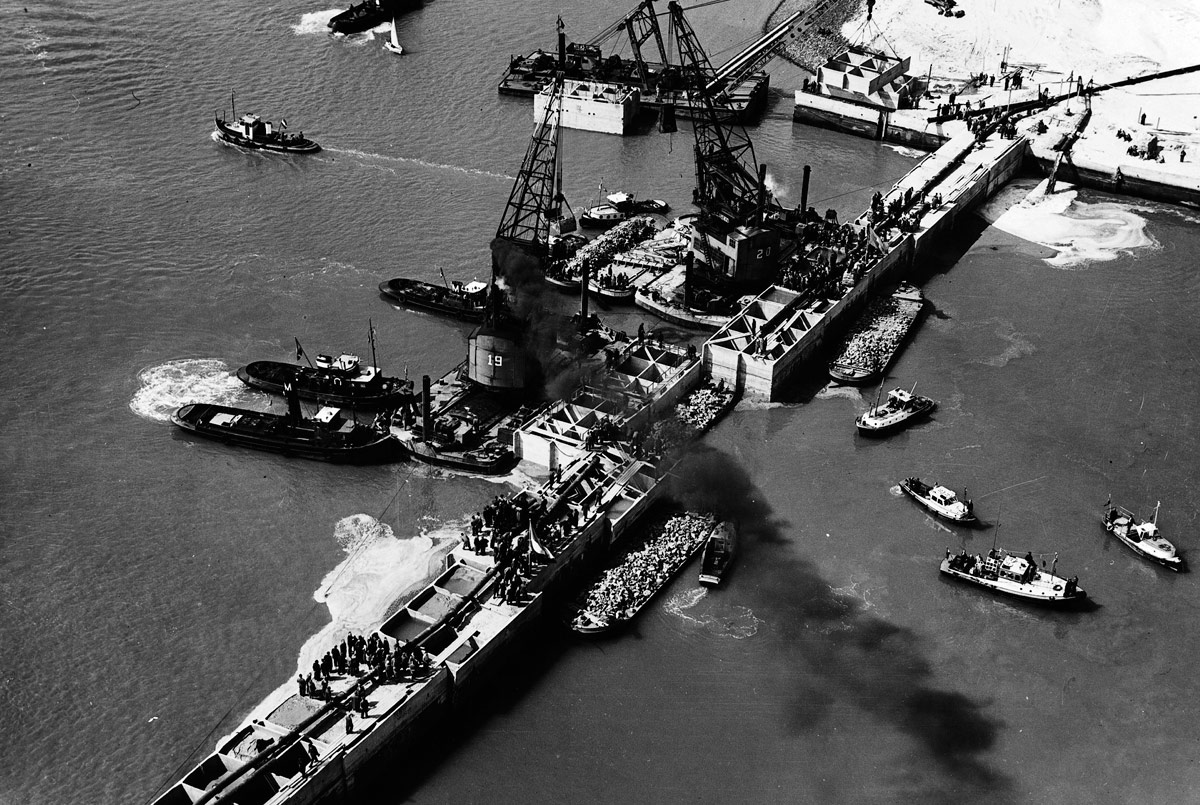
Construction of the Delta Works in the 1950s
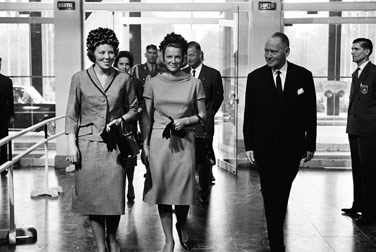
In April 1961, Dirk U. Stikker became the first Dutch national to serve as NATO Secretary General. Stikker was a strong supporter of the Atlantic Alliance and its values, and he was no stranger to NATO: on behalf of the Netherlands, he had signed the North Atlantic Treaty in 1949 as Foreign Minister; and from July 1958 to April 1961, he was the Permanent Representative of the Netherlands to NATO. He was also a strong supporter of American policy, and during his tenure he maintained a close working relationship with NATO’s top military commander, Supreme Allied Commander Europe General Lauris Norstad (United States Air Force). Unfortunately, Stikker resigned from the post in April 1964 due to ill health.
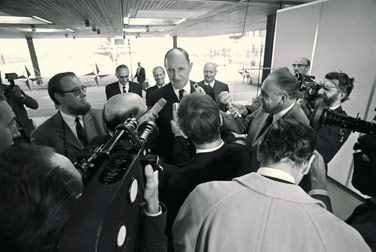
For 13 years, an exceptionally long period of time for a NATO Secretary General, Joseph Luns was the face of the North Atlantic Alliance. He had a commanding presence that gave him the natural authority to foster consensus among Allies, when necessary. In line with his country’s preferences, he was a staunch Atlanticist and guided the Alliance through a period dominated by arms control talks between the United States and the Soviet Union, the end of the war in Vietnam in 1975 and the Soviet invasion of Afghanistan in December 1979. Before becoming NATO’s fifth Secretary General, he had also served as Dutch Foreign Minister (October 1956 to July 1971). In this role, he had already been heavily involved in Alliance affairs.
When French President Charles de Gaulle decided to withdraw France from NATO’s integrated military structure in 1966, NATO commands had to leave French territory within the following year. One of them, Headquarters Allied Forces Central Europe (HQ AFCENT), was relocated to the town of Brunssum in the Dutch province of Limburg. This central location, in the far south of the Netherlands, was chosen because it sits right between the borders of Belgium and Germany.
This was a former coal mining area, where the Hendrik Mine operated until 1963. When AFCENT opened in 1967, some of the mine’s buildings were used for the new NATO military base. AFCENT has been reformed several times since the end of the Cold War, together with the rest of NATO’s military structure. Today, Allied Joint Force Command (JFC) Brunssum is located at the Hendrik Base.
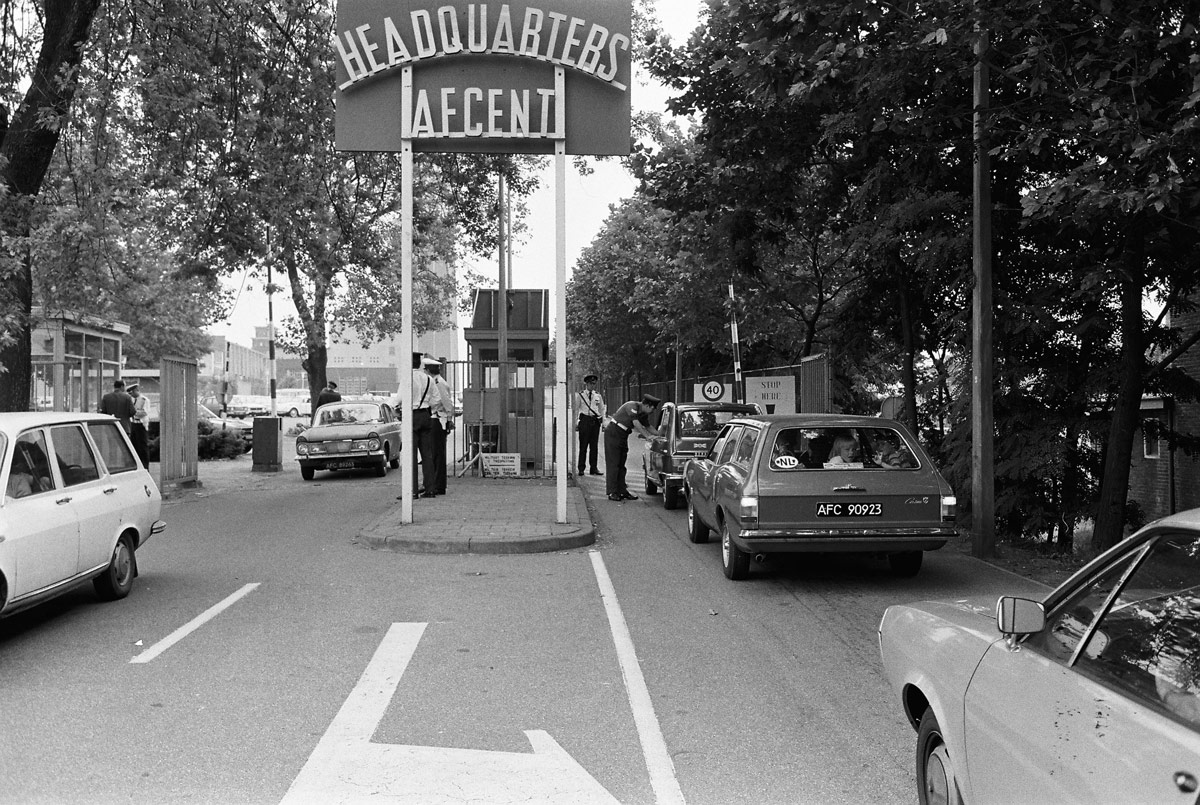
Other NATO entities were established on the same military base throughout the Cold War. The NATO Communication and Information Systems Services Agency, Sector Brunssum (NCSA-B) helped to control, operate and maintain NATO’s communications systems at the time. The NATO Airborne Early Warning & Control Programme Management Agency (NAPMA) was also established on the Hendrik Base in the late 1970s. NAPMA helps reinforce NATO’s deterrence by complementing its ground-based radars with airborne systems, increasing the detection of small, high-speed intruder aircraft at long range. In addition to these military entities, an international school was opened near the base in September 1967, for the children of NATO military personnel working in the area.
On the other side of the country in The Hague, NATO’s Air Defence Technical Centre was established in 1955. It was responsible for research and development in the area of air defence and came under the responsibility of Supreme Headquarters Allied Powers Europe (SHAPE). It was located next to the Netherlands Organisation for Applied Scientific Research (TNO) to create synergy and a more stimulating research environment. NATO’s Air Defence Technical Centre was renamed the NATO Consultation, Command and Control Agency (NC3A) in 1996 and was merged into the NATO Communications and Information Agency (NCIA) in 2012.
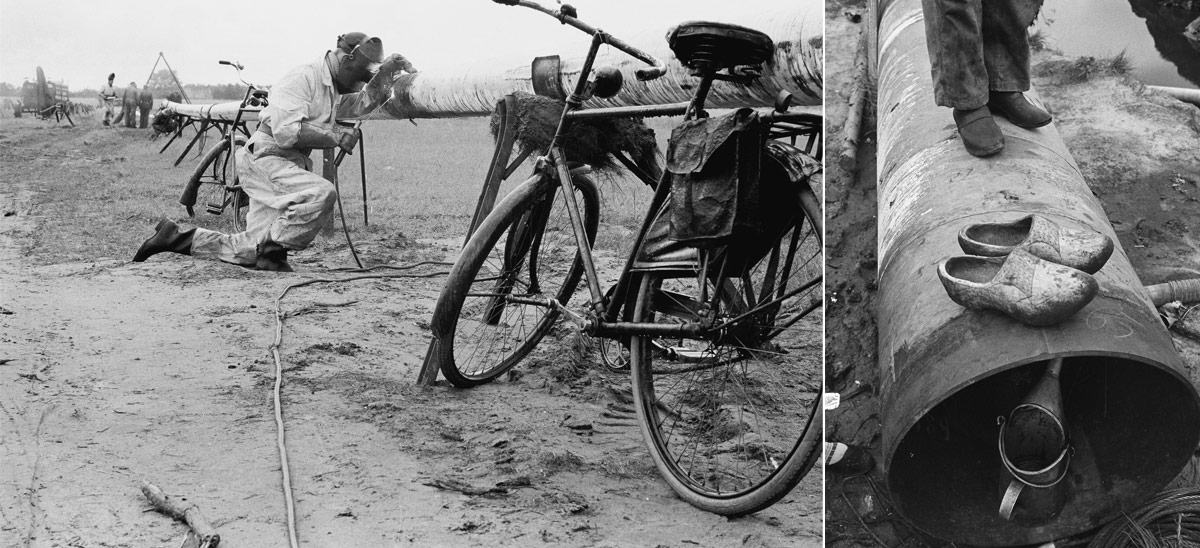
Equally valuable was the Netherlands' participation in the construction and operation of one of NATO’s pipeline systems during the Cold War: the Central Europe Pipeline System (CEPS). It crossed Belgium, France, Germany, Luxembourg and, of course, the Netherlands, to ensure that Alliance forces were supplied with fuel, whenever and wherever required. The pipeline is still operational today.
The best kept secret during the Cold War
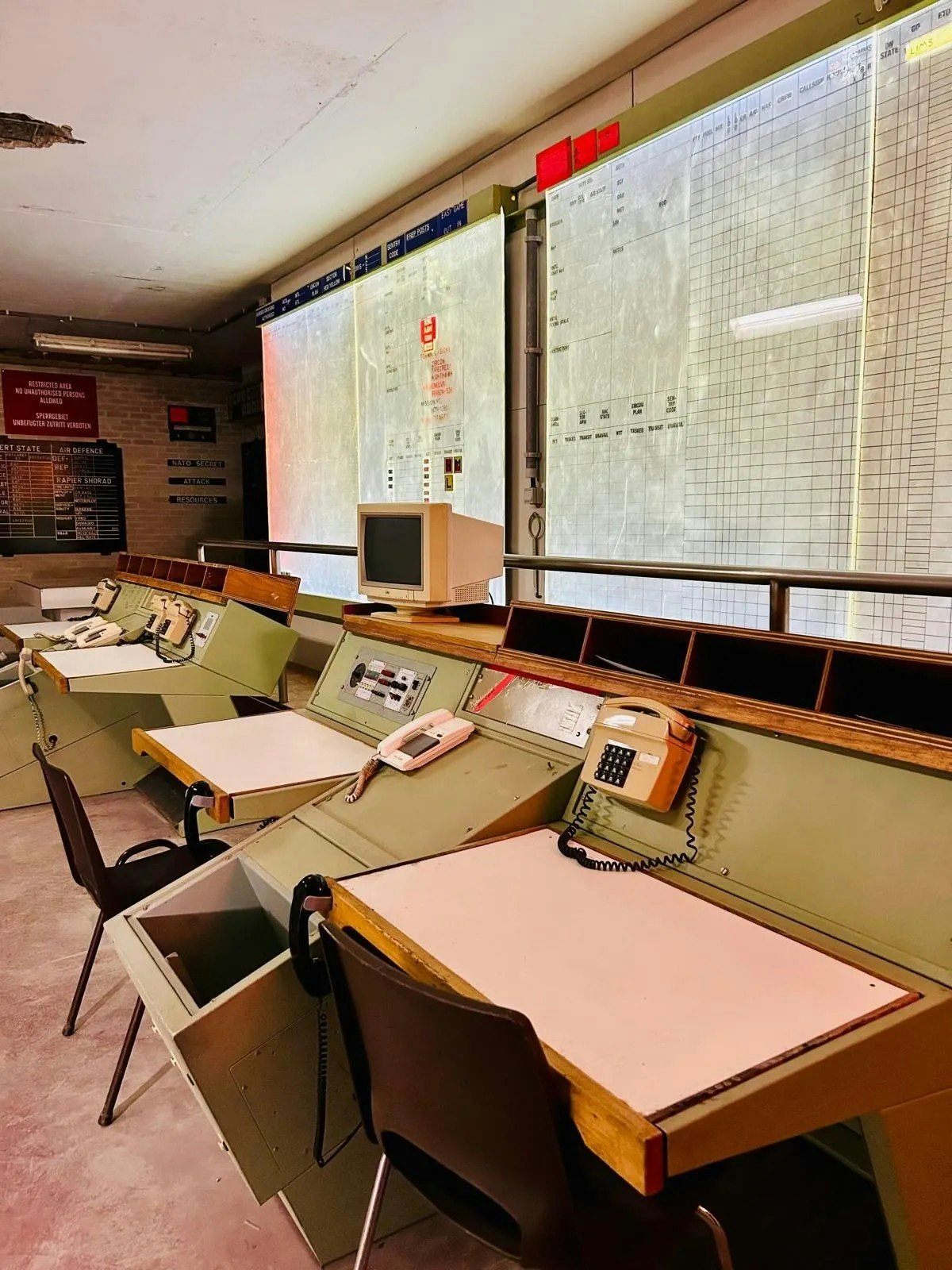
From 1954 to 1992, a quarry on the Dutch-Belgian border was used as a NATO Joint Operations Centre. One of the country’s best kept secrets, the Cannerberg was an intricate network of tunnels, bunkers and facilities, with eight kilometres of corridors, doors that could resist blast pressure and facilities protected against any kind of threat – nuclear, biological or chemical. From 1 July 1963 onwards, it had a permanent military presence, with troops on duty 24/7. Several hundred soldiers were active during the day and 40 during the night, with numbers doubling during exercises. Equipped with heating and an air conditioning system, an independent water supply and a back-up electrical power capacity, it also had the facilities to serve 600 meals per day, a bar, a hairdresser's and a golf course with artificial grass.
The Boschberg quarry served as the secret Joint Operations for NATO’s Northern Army Group (NORTHAG), which was responsible for Dutch, Belgian, German, British and American units located in northwestern Germany, and for the Second Allied Tactical Air Force. It also oversaw the NATO Information and Communication System (NICS), which was located near Maastricht. Meanwhile, the NATO Air Defence Ground Environment (NADGE), in which the Netherlands participated, protected NATO European airspace against the intrusion of enemy aircraft.
Photo: Control centre inside the Cannerberg (photo from Visit Maastricht).
While the Netherlands eagerly hosted NATO structures on its territory, it also sought to build up its national forces and train them to work together with its new NATO Allies. During the 1950s, the Netherlands contributed to the conventional military build-up of the Alliance by beginning the process of creating a modern defence force. Initially, it benefited from the financial support of the United States through the Mutual Defense Assistance Program aimed at helping Western European countries rebuild their defences.
With the build-up of Soviet naval power in the 1960s, NATO needed to protect shipping lanes across the North Atlantic to guarantee communication between Allies in North America and Western Europe. In keeping with its naval tradition, the Royal Netherlands Navy was gradually reinforced, and from the late 1960s, the Netherlands also joined certain permanent NATO naval forces such as the Standing Naval Force Atlantic. The Netherlands also reinforced its Air Force and reorganised its Army, with an initial focus on having combat-ready forces rather than simply raising large numbers of troops. When NATO adopted its strategy of flexible response in 1967, the Netherlands started to enlarge and equip its forces at a greater scale.
By the 1980s, the number of Dutch heavy units had increased and the Netherlands maintained a significant reserve for the defence of NATO’s northern flank in Germany, which could help hold a sizeable attack by Soviet forces. The Navy possessed approximately 30 vessels and the Air Force around 200 tactical planes. These figures were often overshadowed by the attention given to the relaxation of discipline in the armed forces. This was a deliberate attempt by the government to integrate the forces better into society, which meant for instance that from the 1970s until conscription was suspended in 1997, soldiers could keep their hair long during military service. In parallel, military careers were gradually opened up to women. Female soldiers were given the same legal status as their male counterparts and were increasingly integrated into the regular armed forces, ending the separate women’s corps that had previously existed in all three branches.
In the late 1970s, following a period of détente, tensions once again began to increase between the United States and the Soviet Union. In particular, the deployment of Soviet SS-20 missiles targeting Western Europe led to NATO adopting what was called the Dual-Track Decision in December 1979. The two tracks were: (1) arms control negotiations with the Warsaw Pact to agree to a mutual limitation of intermediate-range nuclear forces, including ballistic and cruise missiles; and (2) should Moscow refuse to negotiate in good faith, then the United States would deploy Pershing and cruise missiles to NATO countries in Europe. NATO did, in fact, end up having to deploy missiles, beginning in the United Kingdom and in West Germany. Both deployments led to heated protests throughout Europe.
In the Netherlands, the population rallied against the deployment of nuclear cruise missiles very early on, well before the actual deployment of American missiles was set to take place. The wave of public protests was so strong that it fuelled similar movements in other European countries. This may explain why Walter Laqueur, an American historian, coined the term “Hollanditis” to describe the scale of the peace activist movement in the country. In 1983, a demonstration in The Hague attracted a record half a million participants. This was even before the Dutch government decided in 1985, after much debate, to accept the deployment of just under 50 American cruise missiles on its territory, in line with NATO’s agreed policy.
The controversy faded thanks to the signing of the 1987 Intermediate-Range Nuclear Forces (INF) Treaty one year before the missiles were due to be deployed on Dutch territory. This arms control agreement limited the number of intermediate-range nuclear forces, including ballistic and cruise missiles, that both the Soviet Union and the United States could deploy, and meant that the American missiles were not deployed to the Netherlands.
Ultimately, this period where the Dutch population was so vehemently opposed to NATO policy was the exception and not the norm. Throughout the Cold War, the Netherlands was one of NATO’s most steadfast Allies, both politically and militarily. It adhered to the Alliance’s fundamental values and continued to contribute to NATO’s collective deterrence and defence, as it still does today.
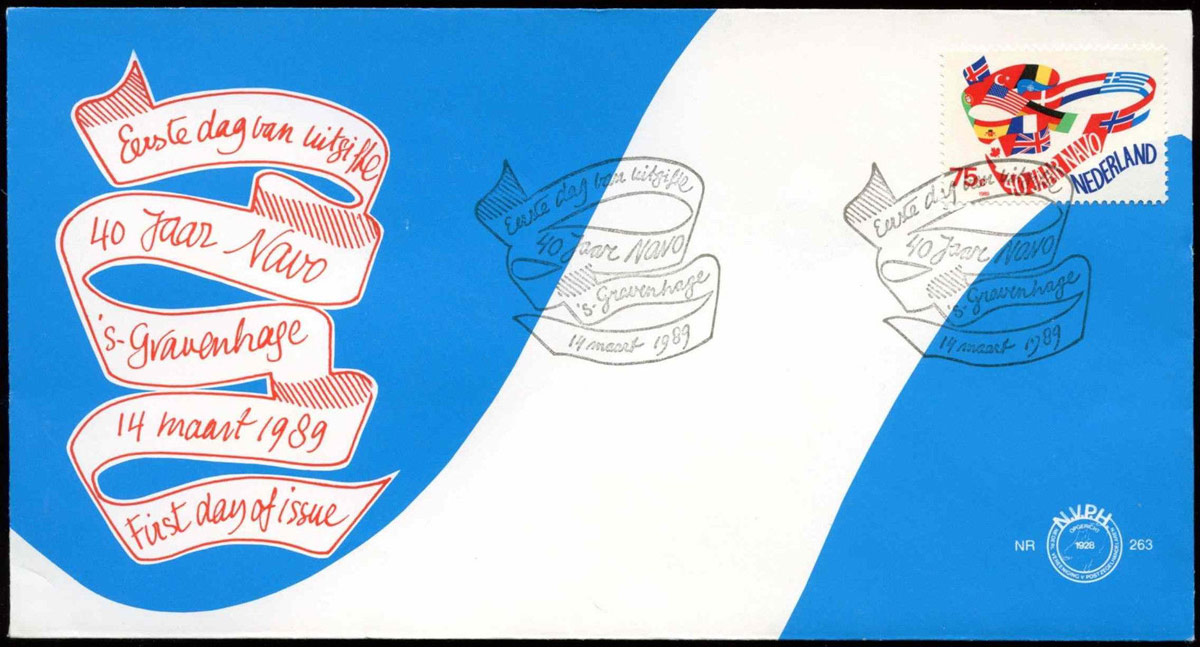
A first day issue stamp created by the Netherlands to celebrate NATO’s 40th anniversary in 1989.
To discover how the Netherlands contributes to the Alliance today, visit NATO on the Map.


