The Secretary General's Annual Report highlights NATO's key milestones and
achievements in 2025.
Foreword

"Allied defence spending and production must rise rapidly, our armed forces must have what they need to keep us safe, and Ukraine must have what it needs to defend itself - now. Our governments, parliaments, and our citizens have to be in this together. So that we can continue to protect peace, freedom, and prosperity."
-
Mark Rutte, NATO Secretary General
A STEADFAST ALLIANCE: DETERRENCE AND DEFENCE ACROSS ALL DOMAINS
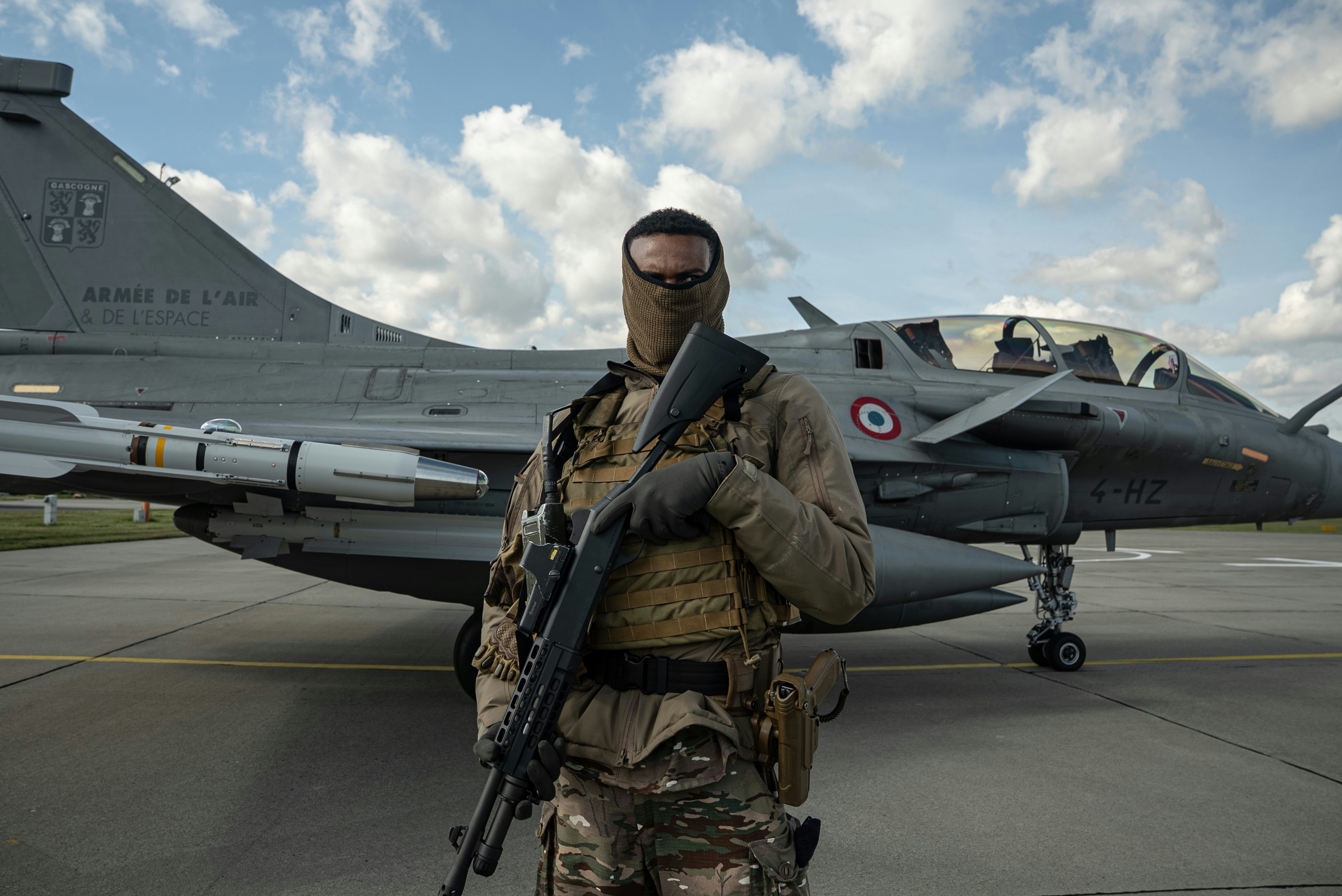
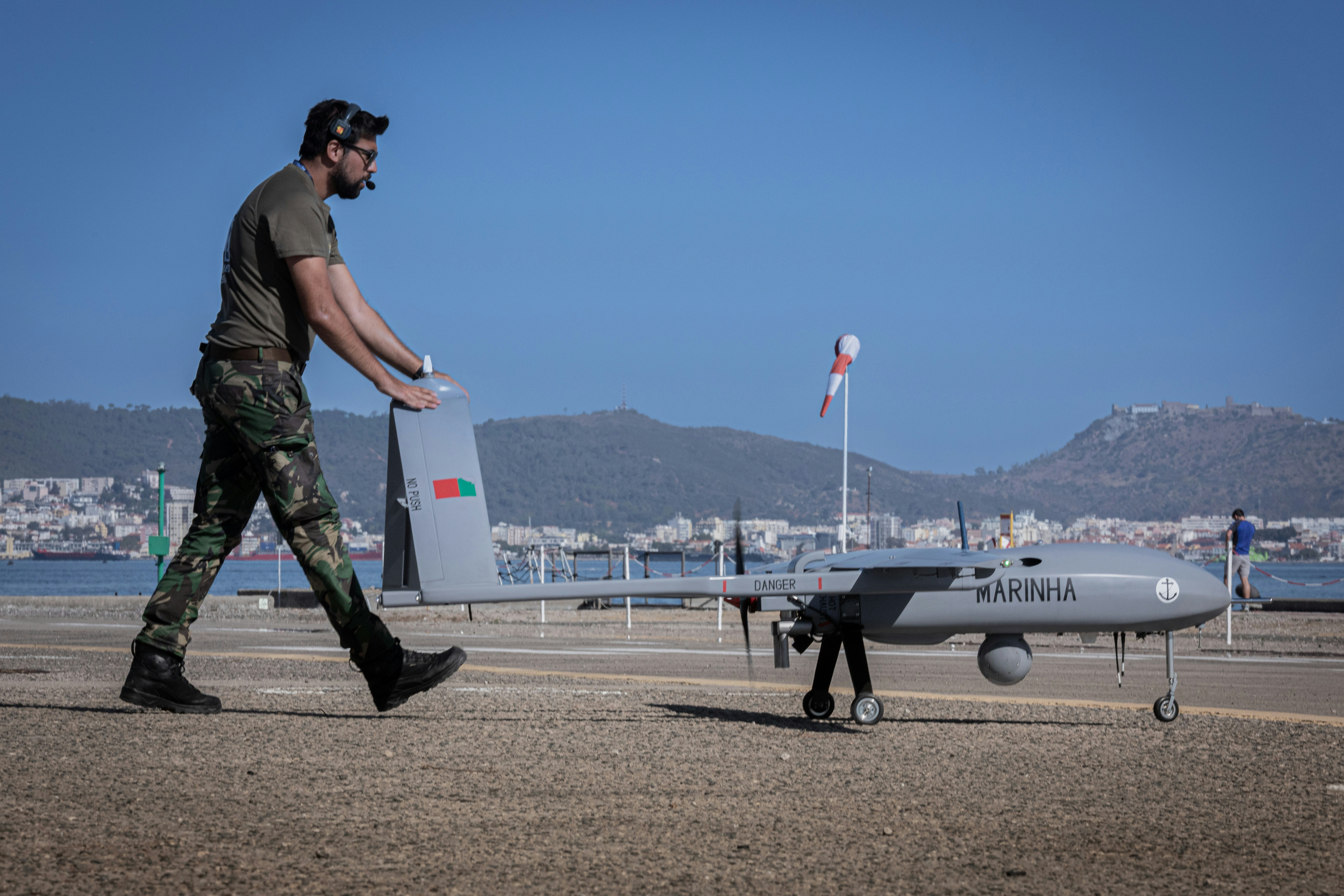
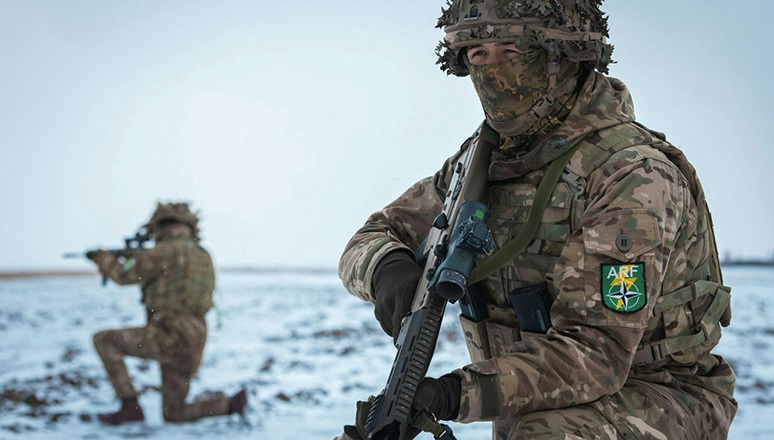
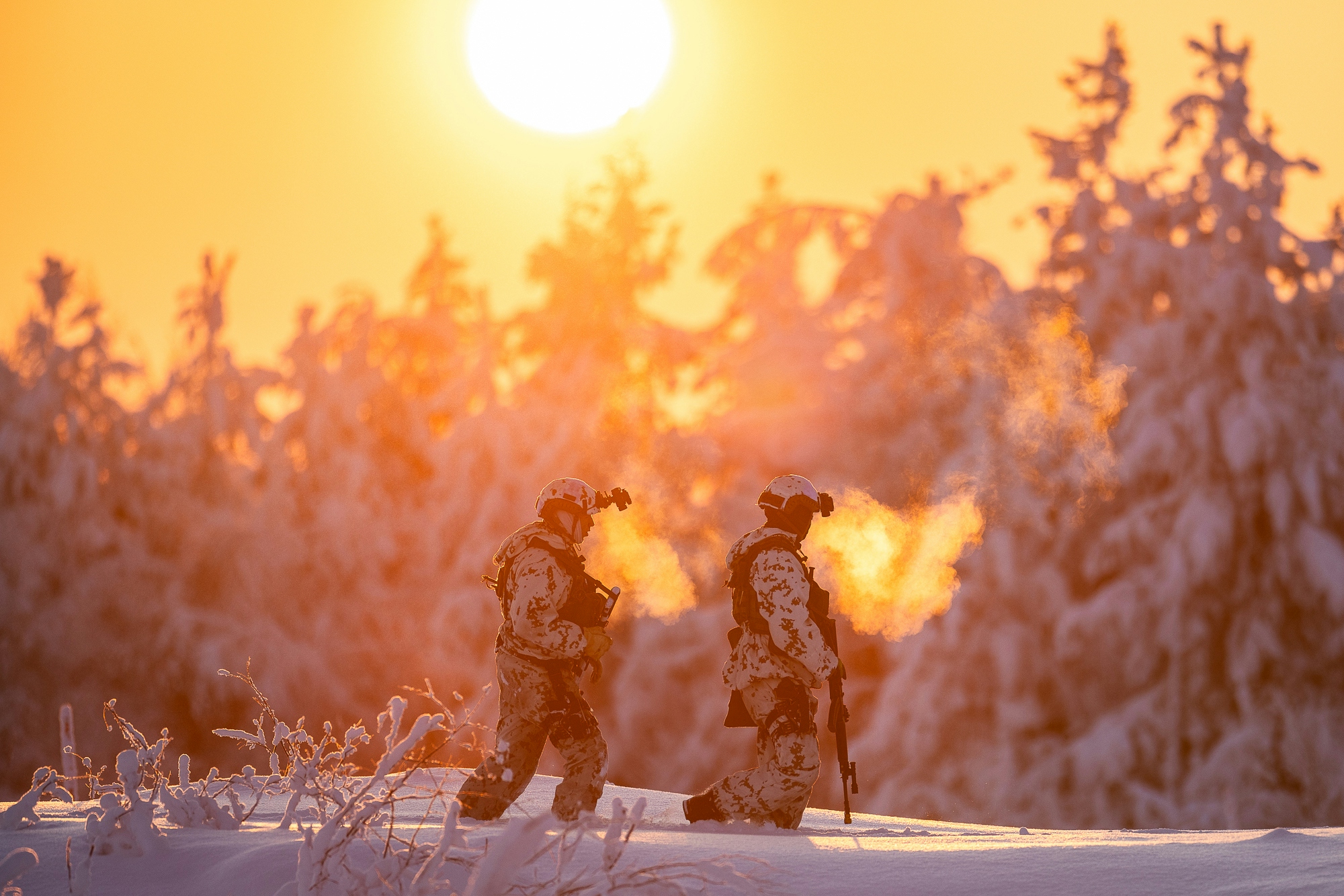
NATO’s deterrence and defence posture is based on an appropriate mix of nuclear, conventional and missile defence capabilities, complemented by space and cyber capabilities. It is defensive, proportionate and fully in line with Allies' international commitments.
A READY ALLIANCE: RESILIENCE AND CIVIL PREPAREDNESS
Resilience is both a national responsibility and a collective commitment rooted in Article 3 of the North Atlantic Treaty. Each NATO Ally needs to be resilient against military and non-military threats and challenges to the Alliance’s security, such as natural disasters, disruption of critical infrastructure, and hybrid or armed attacks.
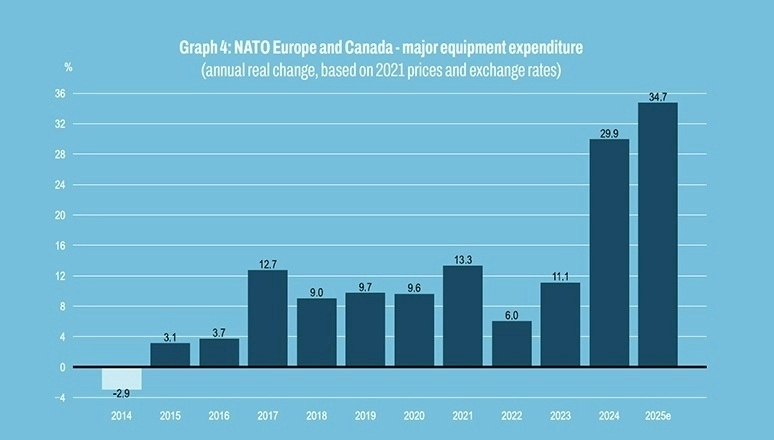
The Alliance’s ability to do its job relies on investment to acquire the capabilities it needs. Responding to an increasingly dangerous world, Allies are investing more and more in defence.
STALWART IN THE FACE OF AGGRESSION: CONTINUING ALLIED SUPPORT TO UKRAINE
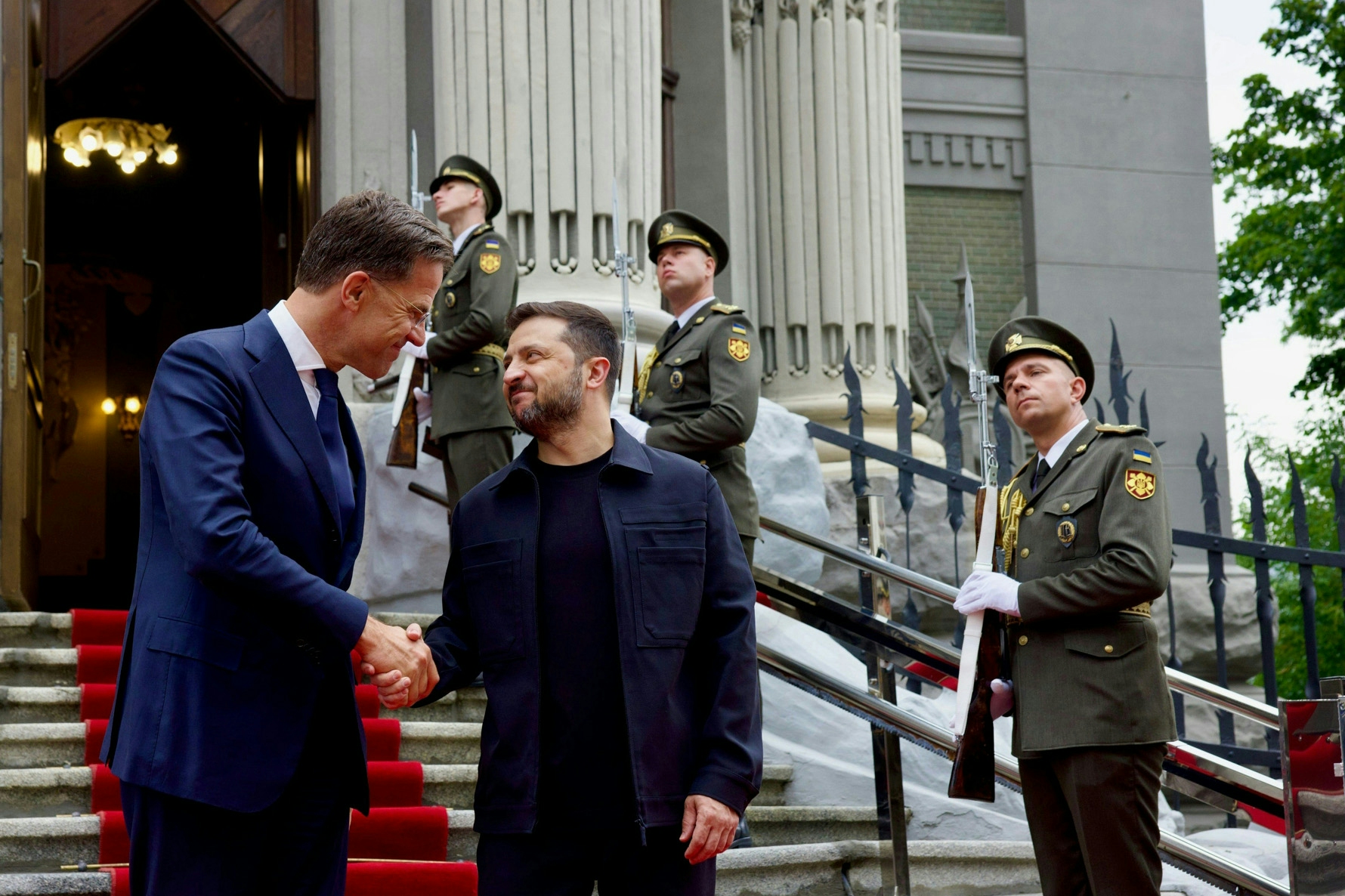
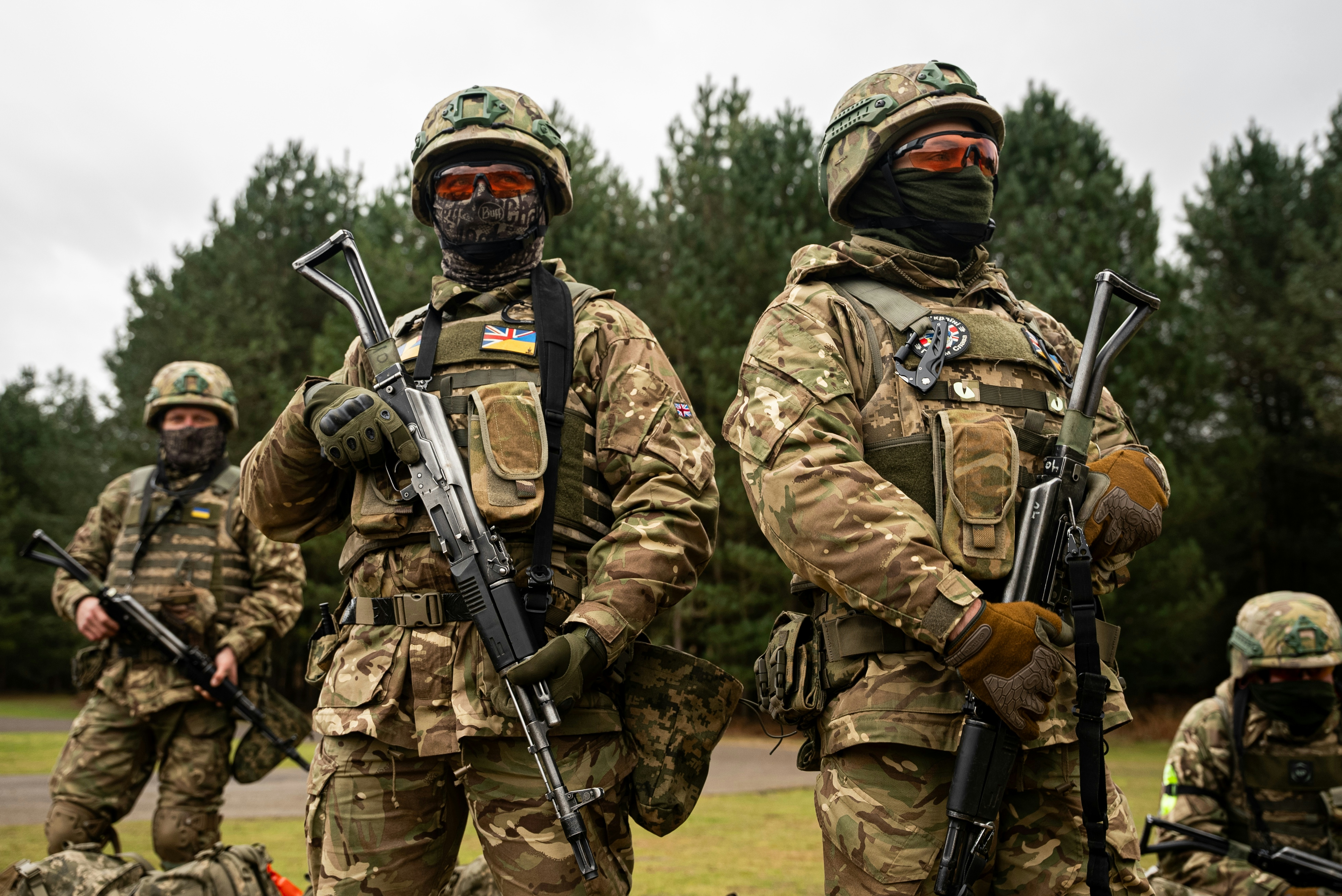
NATO is committed to ensuring that Ukraine has the means to defend itself and can secure an enduring peace for the future. The security and prosperity of Ukraine are not just concerns for Ukrainians, they are concerns for the Alliance and for all Allies.
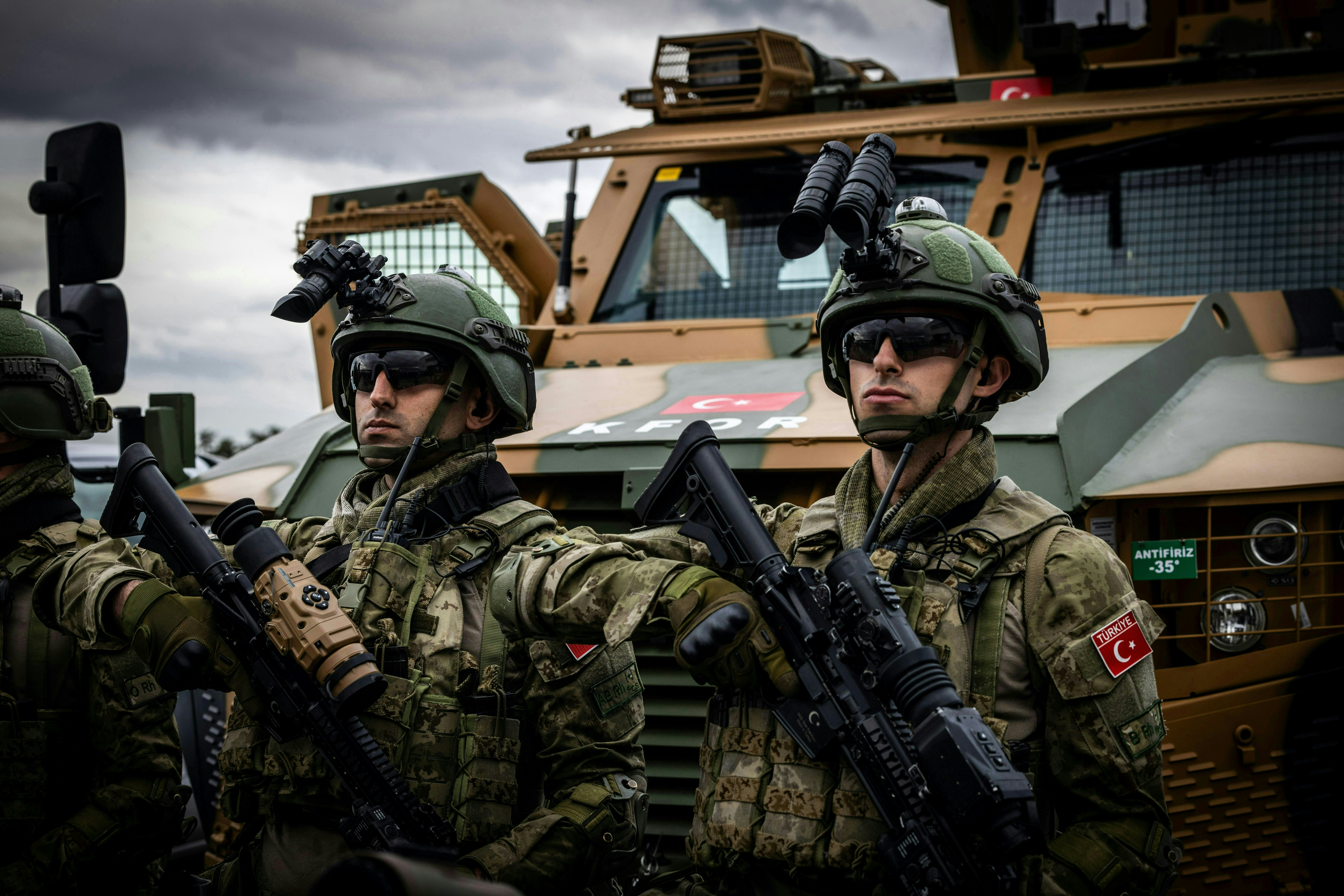
NATO Allies have a shared interest in contributing to stability and managing conflict together. The Alliance continues to work to prevent and respond to crises when these have the potential to affect Allied security.
SECURITY THROUGH COOPERATION: WORKING WITH PARTNERS
NATO maintains relations with 35 non-member countries and a range of international organisations, known as NATO partners. This partnership network strengthens security outside Allied territory, which makes NATO itself safer.