Close
Back


From now on you can download videos from our website
If you would also like to subscribe to the newsletter and receive our latest updates, click on the button below.
Enter the email address you registered with and we will send you a code to reset your password.
The password must be at least 12 characters long, no spaces, include upper/lowercase letters, numbers and symbols.
Click the button to return to the page you were on and log in with your new password.
07 July 2026
2 MIN READ
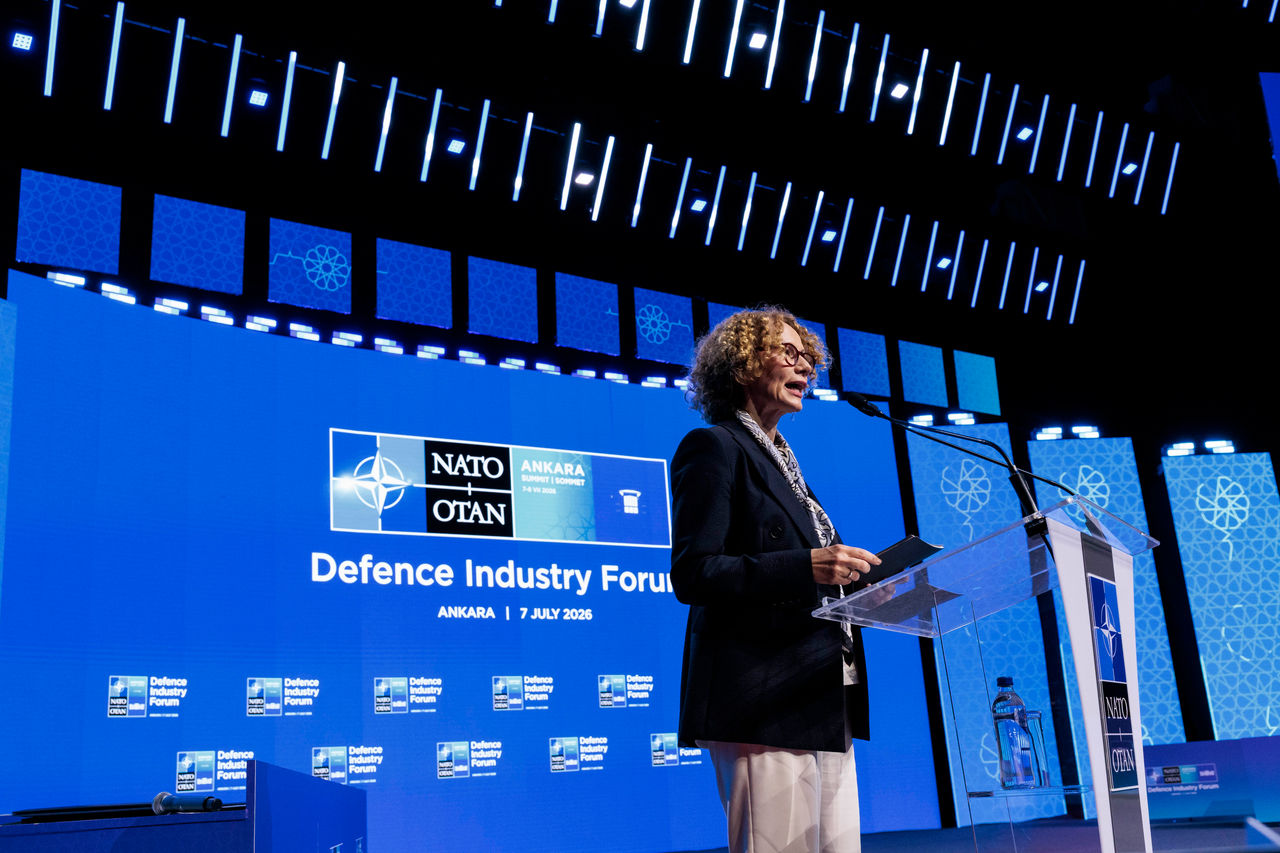
NATO Deputy Secretary General Radmila Shekerinska presented major new capability initiatives at the NATO Summit Defence Industry Forum in Ankara on Tuesday (7 July 2026). The announcements covered space and surveillance, strike capabilities, and integrated air and missile defence.
In the area of space and surveillance, eight Allies launched a new project to explore the development of a mega-constellation called HALO, which would improve high-speed communications, intelligence gathering, and missile tracking. Spain also joined NATO’s Alliance Persistent Surveillance from Space (APSS) initiative, becoming the 19th participating country. Additionally, Türkiye announced plans to develop two new high-resolution Earth observation satellites, while German company Isar Aerospace signed a contract with Canada’s Maritime Launch Services to secure launch pad capacity.
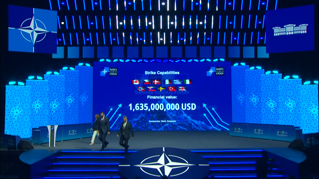
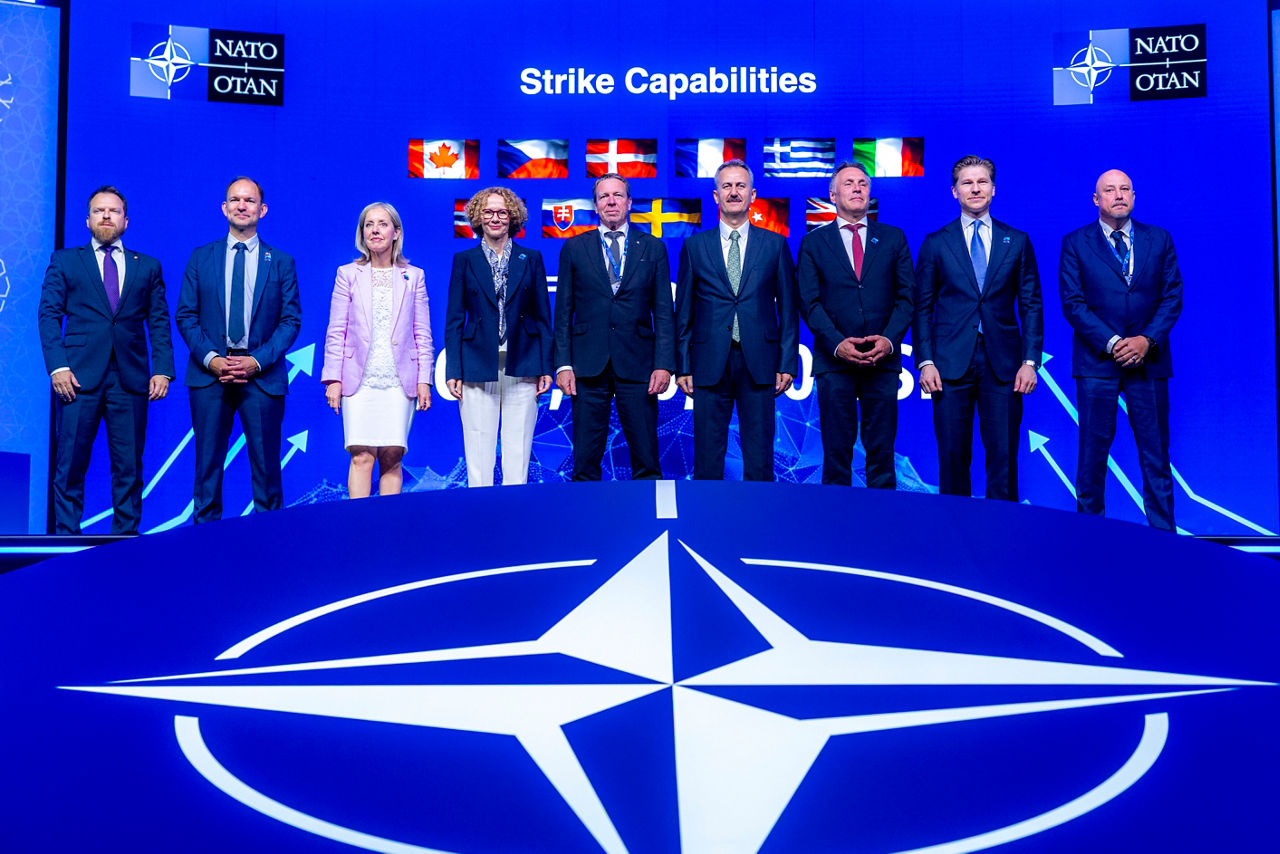
On strike capabilities, Allies announced several new multinational projects and contracts, including efforts to develop a generic NATO 155mm munition; scale up production of 155mm and loitering munitions; and advance long-range strike capabilities. Türkiye also committed to procuring a significant number of ATMACA land-based long-range cruise missiles.
In the field of Integrated Air and Missile Defence, Allies unveiled new cooperation initiatives to strengthen capabilities against lower air threats, including drones and cruise missiles, as well as efforts to enhance passive air surveillance. The NATO Support and Procurement Agency (NSPA) will acquire 700 PAC-2 and 200 PAC-3 missiles. Belgium and the Netherlands signed a Memorandum of Understanding for the government-to-government procurement of air defence systems, while Türkiye announced major investments in its domestic air defence production.
The Deputy Secretary General welcomed the announcements, noting that they represent concrete examples of Allies working together to strengthen NATO’s collective defence. She highlighted that the initiatives will deliver new “Made in NATO” capabilities through closer transatlantic and multinational cooperation.
Integrated Air and Missile Defence