Close
Back


From now on you can download videos from our website
If you would also like to subscribe to the newsletter and receive our latest updates, click on the button below.
Enter the email address you registered with and we will send you a code to reset your password.
The password must be at least 12 characters long, no spaces, include upper/lowercase letters, numbers and symbols.
Click the button to return to the page you were on and log in with your new password.
21 May 2026
3 MIN READ
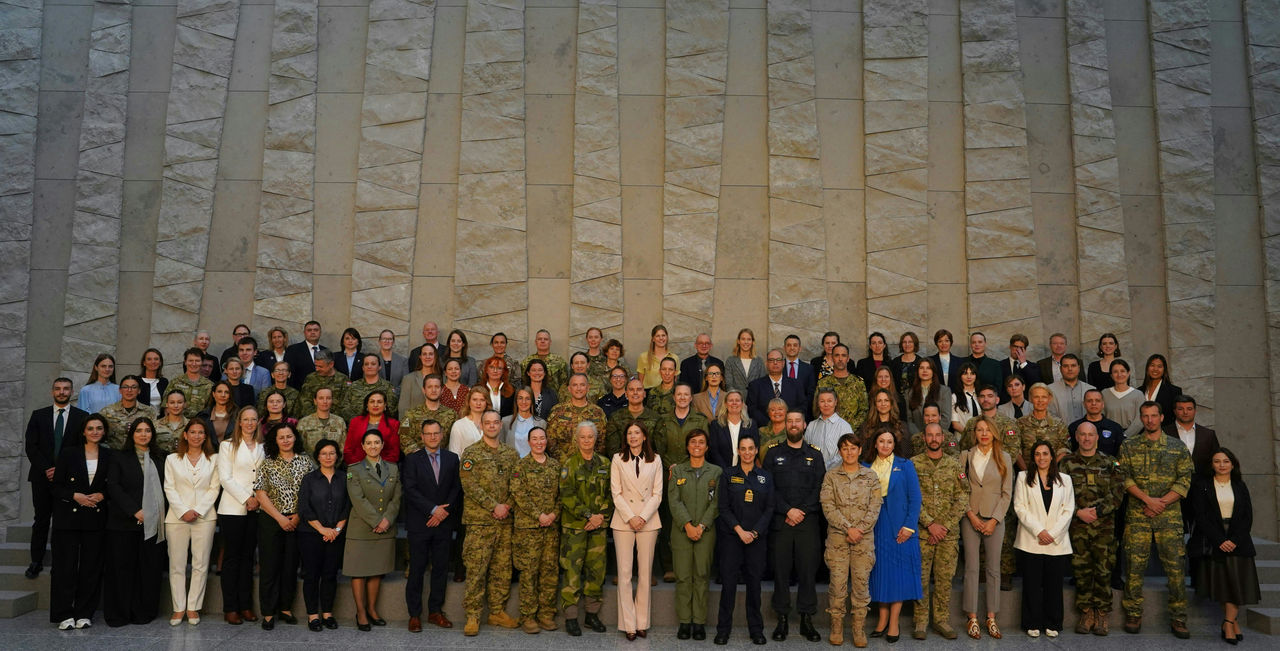
Brussels, NATO Headquarters, 18 to 21 May 2026 – Senior NATO military and civilian leaders, gender advisors, policymakers, and representatives from Allied and Partner Nations gathered at NATO Headquarters in Brussels for the 2026 Annual Conference of the NATO Committee on Gender Perspectives (NCGP). Held under the theme “Every Inch, Every Person: Advancing Gender Perspectives in Collective Defence,” the conference convened at a pivotal moment for the Alliance, coinciding with the 50th anniversary of the formal recognition of the Committee on Women in the NATO Forces – the body that would later evolve into the NCGP.
Opening the conference, Lieutenant General Remigijus Baltrėnas, Director General of the NATO International Military Staff, set the tone, stressing that WPS “is not simply a values-based agenda—though it is an affirmation of our shared values. It is also a military capability and a strategic enabler that is critical to NATO’s deterrence and defence posture. At a time of strategic competition and geopolitical turbulence, NATO must not fall behind in implementing the Women, Peace and Security agenda.”
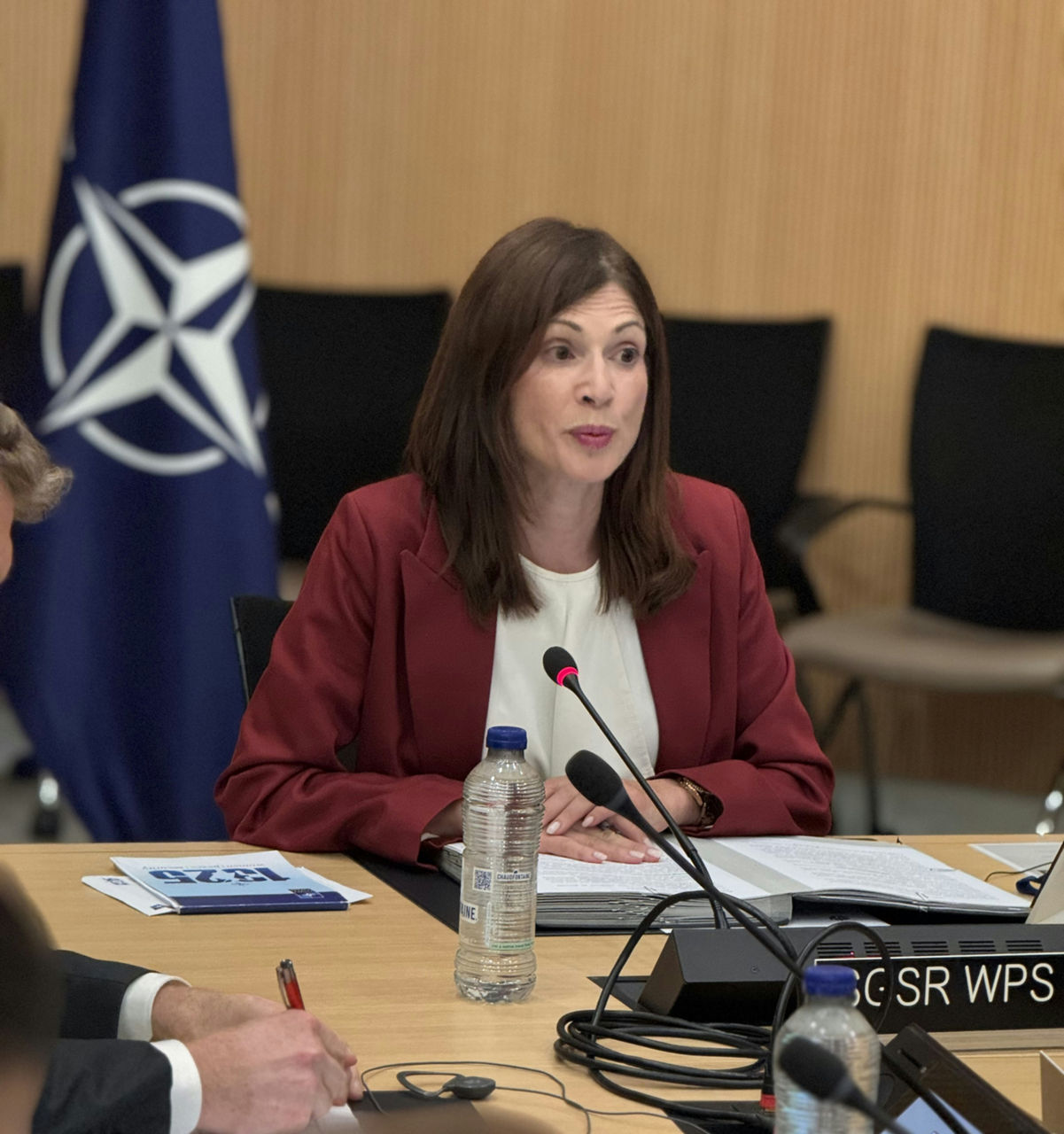
During her keynote address the Secretary General’s Special Representative for Women, Peace and Security, Ms Irene Fellin, highlighted the importance of a whole-of-society approach to respond effectively to the multidimensional threats facing the Alliance: “NATO’s capacity to deter, defend, innovate, and adapt depends on our ability to mobilise the full range of talent, expertise, and perspectives available across our societies. This is where the Woman, Peace and Security Agenda becomes a force multiplier for the Alliance, helping to build stronger nations within a stronger NATO”.
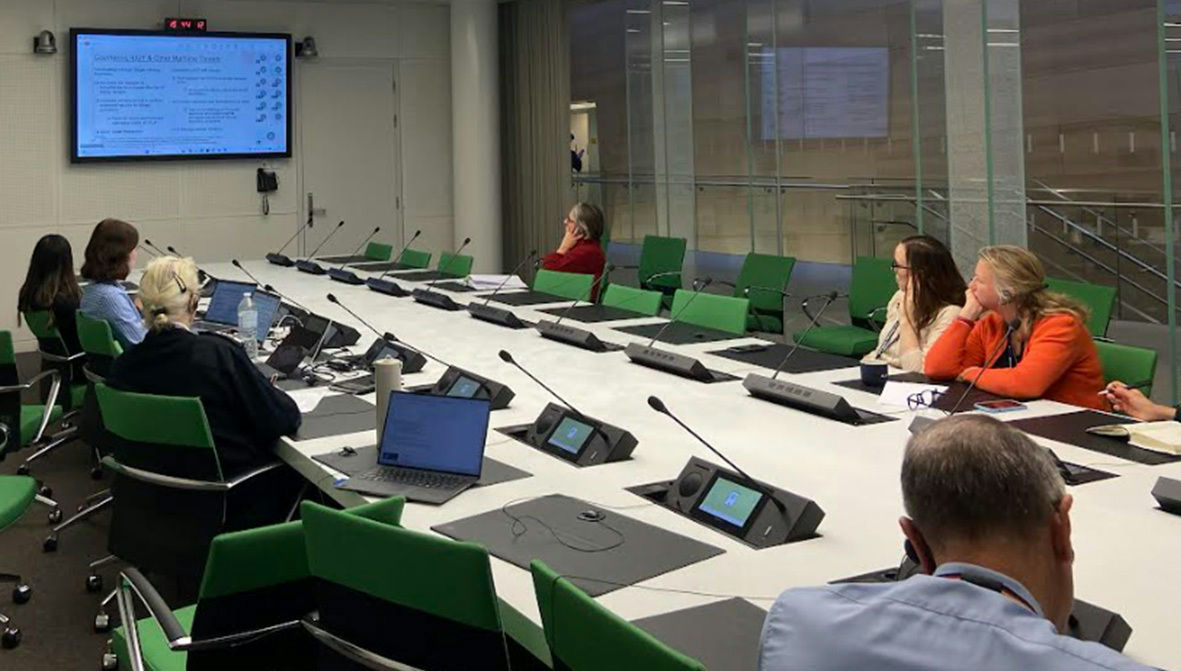
Four thematic panels and two days of syndicate work sessions examined how gender perspectives can be operationalized to strengthen deterrence and defence through specific thematic areas, including: gender-related threats, indicators and early warning systems; practical operationalization of gender perspectives by Gender Advisors (GENADs) embedded across commands; integration of gender perspectives into deterrence and defence planning; and combatting the use of conflict-related sexual violence as a deliberate weapon of war.
The Chair of the NCGP, Lieutenant Colonel Rosa Linda Lucchesi, delivered a clear call to action: “At a time when our armed forces are needed most, we cannot afford to lose momentum. Integrating gender perspectives is a strategic imperative for collective defence. This requires moving beyond symbolic inclusion toward structural changes that enable everyone’s full participation and the deep integration of gender analysis into all military operations.”
Additional syndicate breakout sessions gave participants the opportunity to examine regional security through a gender lens – spanning the High North, Eastern Flank, Southern Neighbourhood, and transatlantic dimensions – and to develop practical recommendations on deterrence and defence, addressing capability development, force generation and composition, targeting, and the tactical integration of gender perspectives in operations.
Background
The NCGP is NATO’s military sub-committee on gender, originally established in 1976 as the Committee on Women in the NATO Forces (CWINF) and renamed in 2009 to reflect its expanded mandate on gender mainstreaming. The NCGP promotes the integration of gender perspectives as an integral dimension of the design, implementation, monitoring, and evaluation of NATO policies, programmes and military operations. Through its programme of work, it provides expert advice to the NATO Military Committee on gender-related topics to enhance operational effectiveness and support Alliance objectives across its core tasks. The Annual Conference serves as the key platform for this exchange and collaboration.