Close
Back


From now on you can download videos from our website
If you would also like to subscribe to the newsletter and receive our latest updates, click on the button below.
Enter the email address you registered with and we will send you a code to reset your password.
The password must be at least 12 characters long, no spaces, include upper/lowercase letters, numbers and symbols.
Click the button to return to the page you were on and log in with your new password.
19 November 2026
2 MIN READ
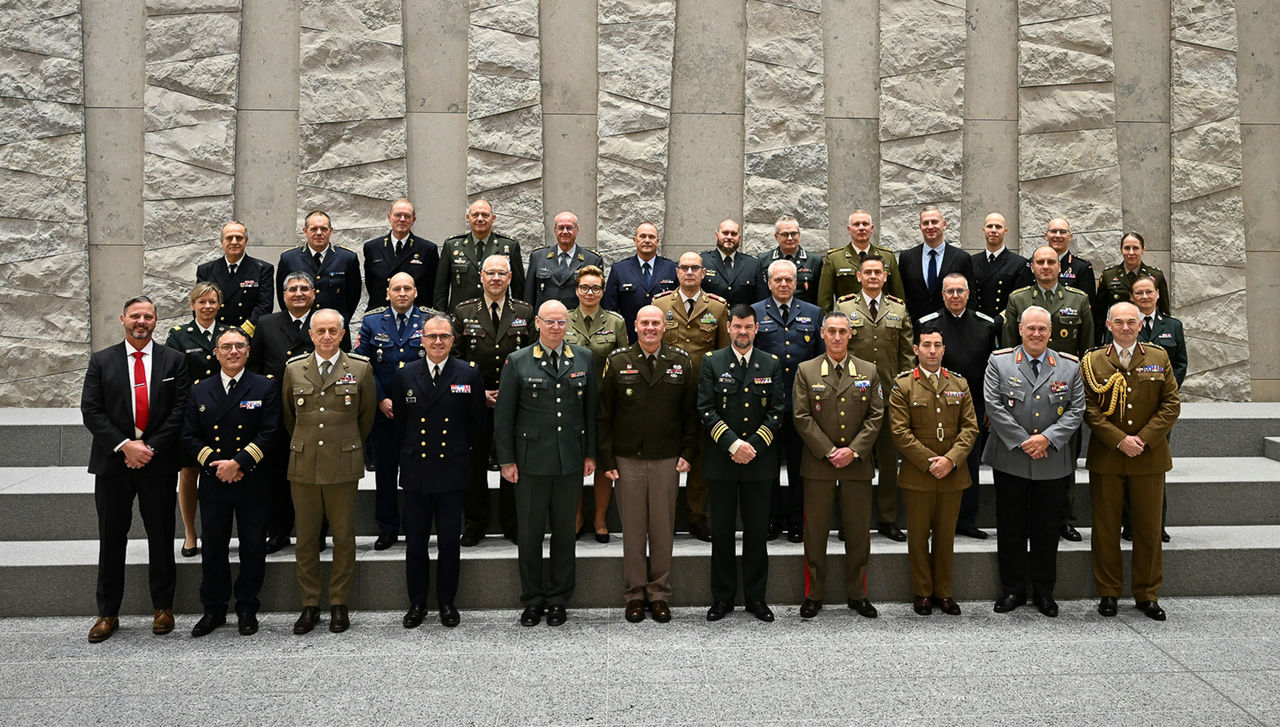
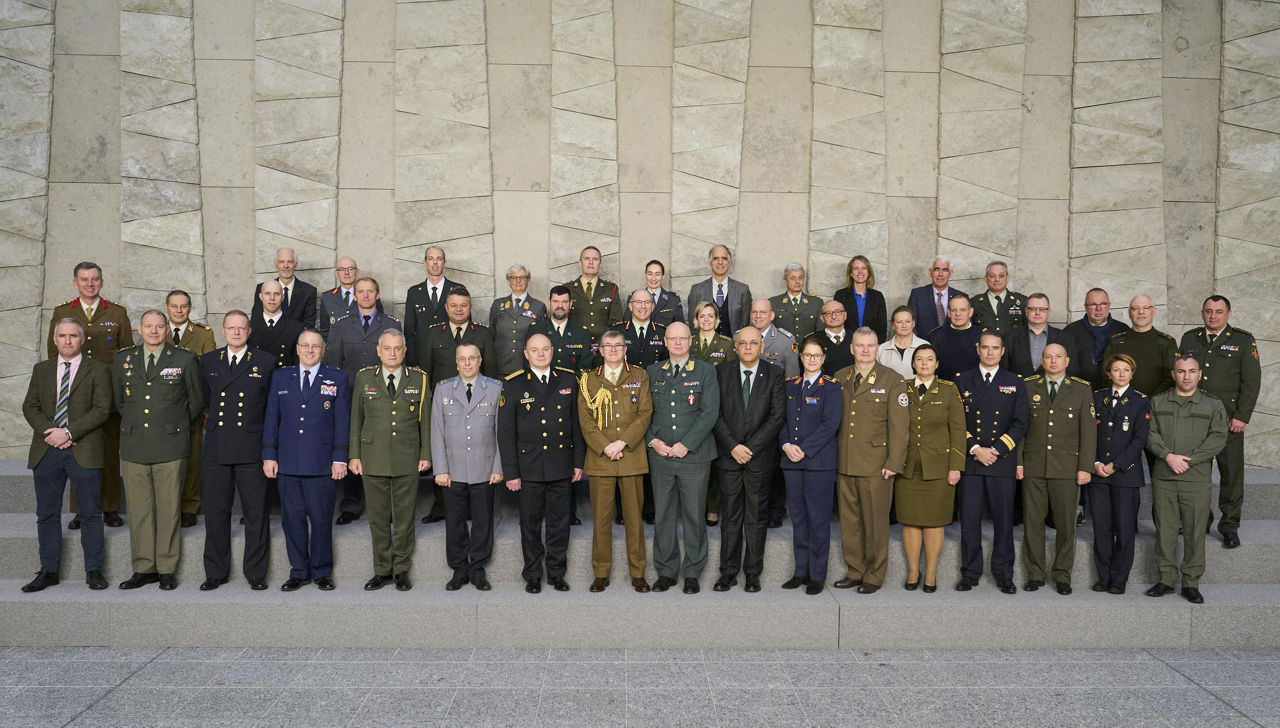
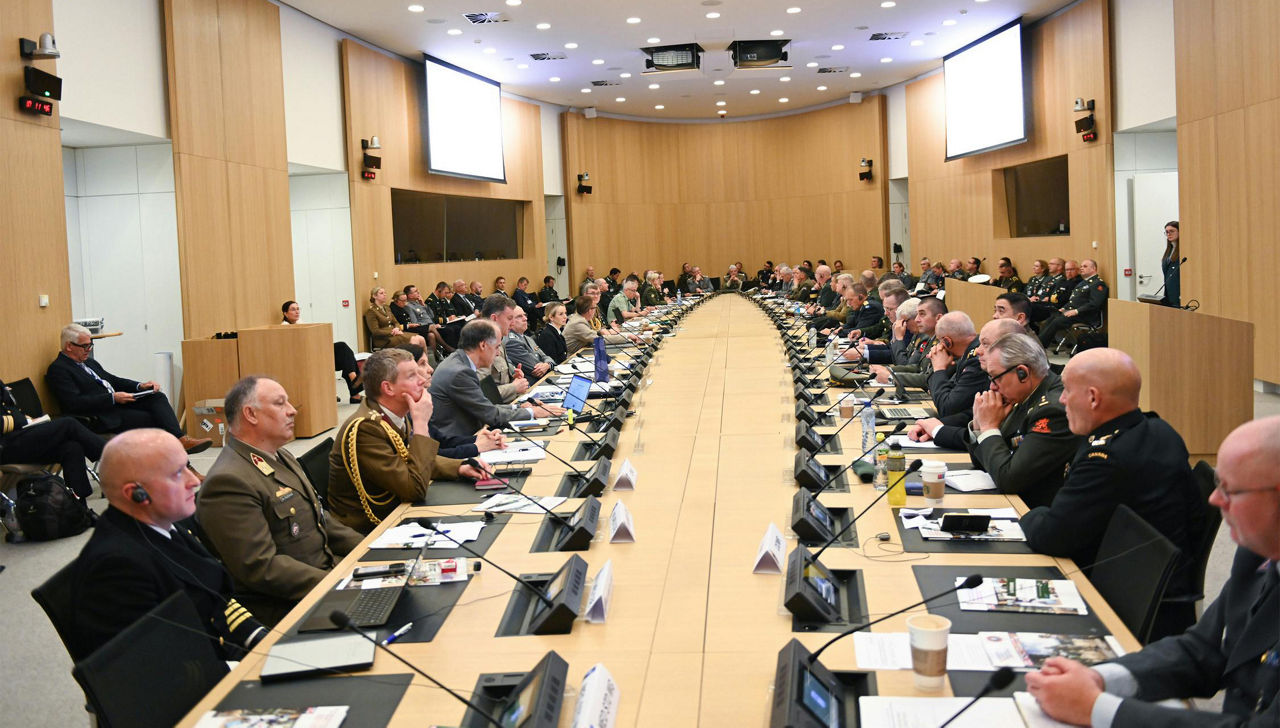
From 16 to 18 November 2026, the Committee of the Chiefs of Military Medical Services in NATO (COMEDS) convened its 66th Plenary in Brussels, Belgium. Representatives from Allied and Partners nations, alongside observer organisations, met to strengthen cooperation and advance medical readiness in support of collective defence.
Supporting Ukraine and strengthening Allied readiness
Two sessions focused on Ukraine, bringing together NATO’s strategic overview of Ukraine-related activities, Ukraine’s national medical priorities and lessons identified from the war. Discussions examined the implications for Allied medical readiness, capability development and continued support to Ukraine.
Turning the Medical Action Plan into national action
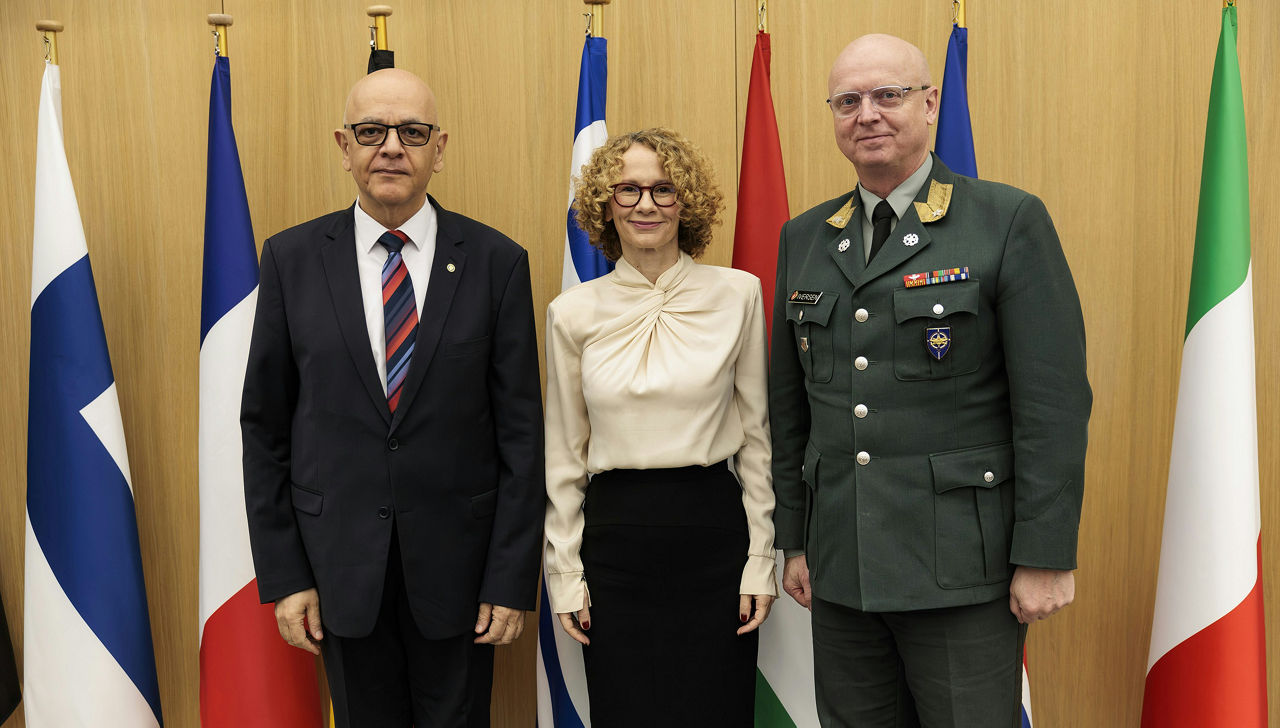
The NATO Action Plan to Enhance Medical Support for Collective Defence was another central focus. COMEDS reviewed Allies’ progress in implementing the action plan nationally, and how this work is being taken forward across the Alliance. “Medical readiness sustains forces, reduces operational risk and supports mission success”, says Chair COMEDS, Brigadier General Petter Iversen. “We must turn strategic intent into coordinated action.” The discussion emphasised the importance of translating the plans’ priorities into practical measures to strengthen medical preparedness.
Addressing evolving medical and biosecurity risks
The Plenary also examined the evolving global Chemical, Biological, Radiological and Nuclear threat landscape and wider biosecurity environment. Discussion covered emerging and resurgent threats, technological developments and convergence, and their potential implications for NATO’s future security environment and medical preparedness.
Concluding the Plenary, Chair COMEDS called for medical readiness to be prioritised as a component of Alliance readiness and national resilience, and recognised as a core warfighting requirement. “Health is Security», he said.
The Plenary was followed on 19 November by the fourth senior-level joint meeting of COMEDS and NATO’s Joint Health Group, taking forward civilian-military cooperation on medical readiness and national implementation of the Medical Action Plan.
Read more: Allies strengthen medical support for NATO’s collective defence
19 November 2026