Close
Back


From now on you can download videos from our website
If you would also like to subscribe to the newsletter and receive our latest updates, click on the button below.
Enter the email address you registered with and we will send you a code to reset your password.
The password must be at least 12 characters long, no spaces, include upper/lowercase letters, numbers and symbols.
Click the button to return to the page you were on and log in with your new password.
19 November 2026
1 MIN READ
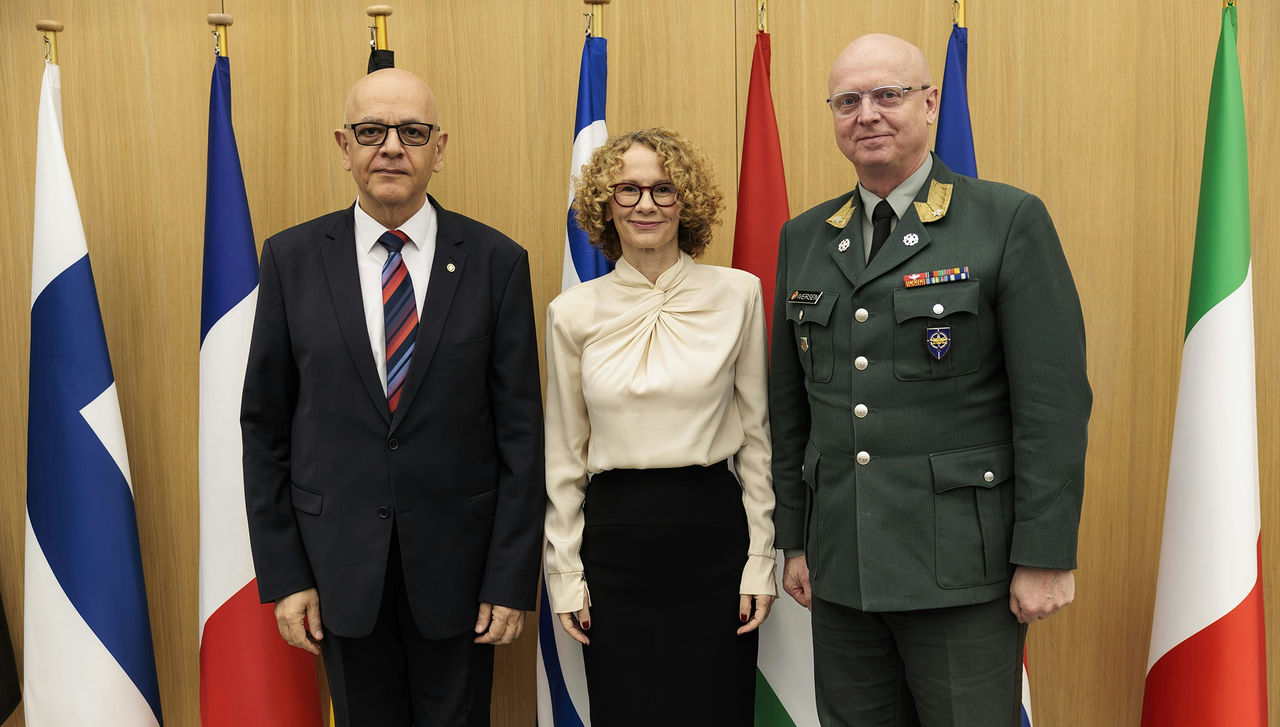
Left to Right - The Chair of the NATO Joint Health Group (JHG), Dr. Raed Arafat; NATO Deputy Secretary General Radmila Shekerinska; the Chair of the Committee of the Chiefs of Military Medical Services in NATO (COMEDS), Brigadier General Petter Iversen.
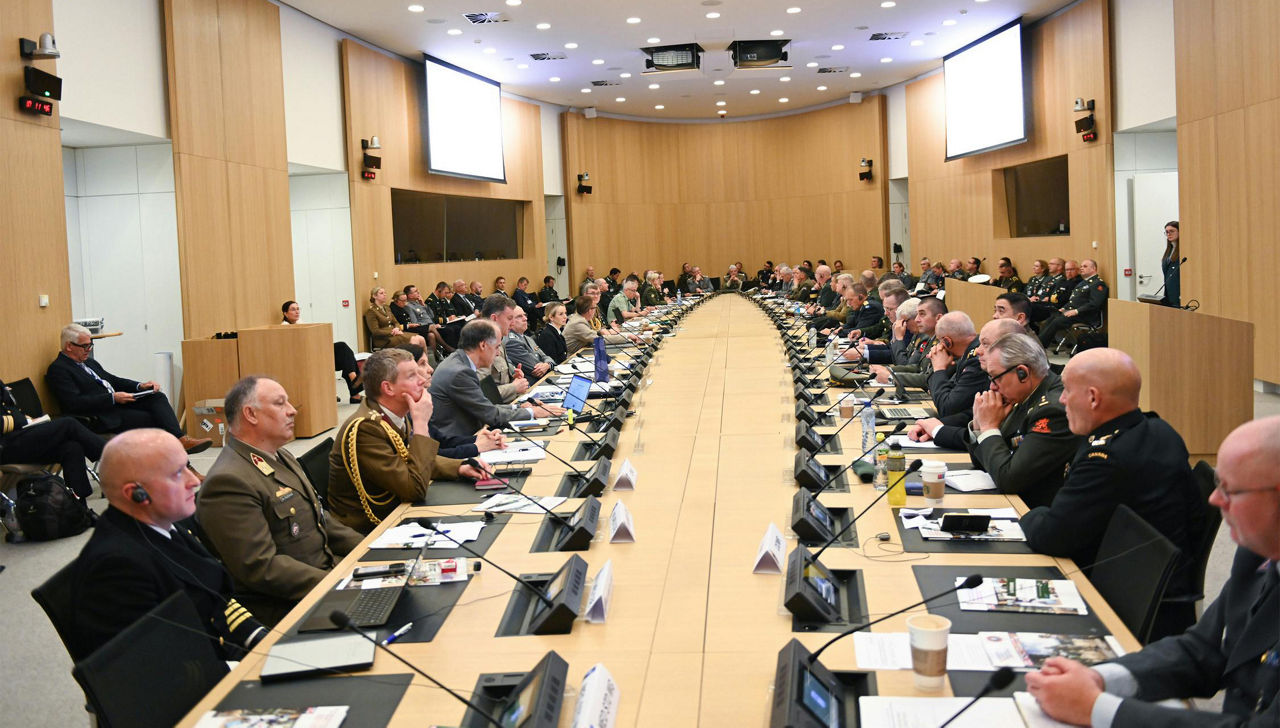
On Thursday (19 November 2026), senior civilian and military health officials gathered at NATO Headquarters for their fourth joint meeting to discuss how to strengthen medical support for collective defence.
Opening the meeting, NATO Deputy Secretary General Radmila Shekerinska emphasised that medical readiness and resilient health systems are essential to NATO’s ability to deter threats, defend Allied territory, sustain operations and protect populations. She welcomed Allies’ work to strengthen civil-military medical cooperation through NATO’s Joint Health Group (JHG) and the Committee of the Chiefs of Military Medical Services (COMEDS), and called for continued action at a national level.
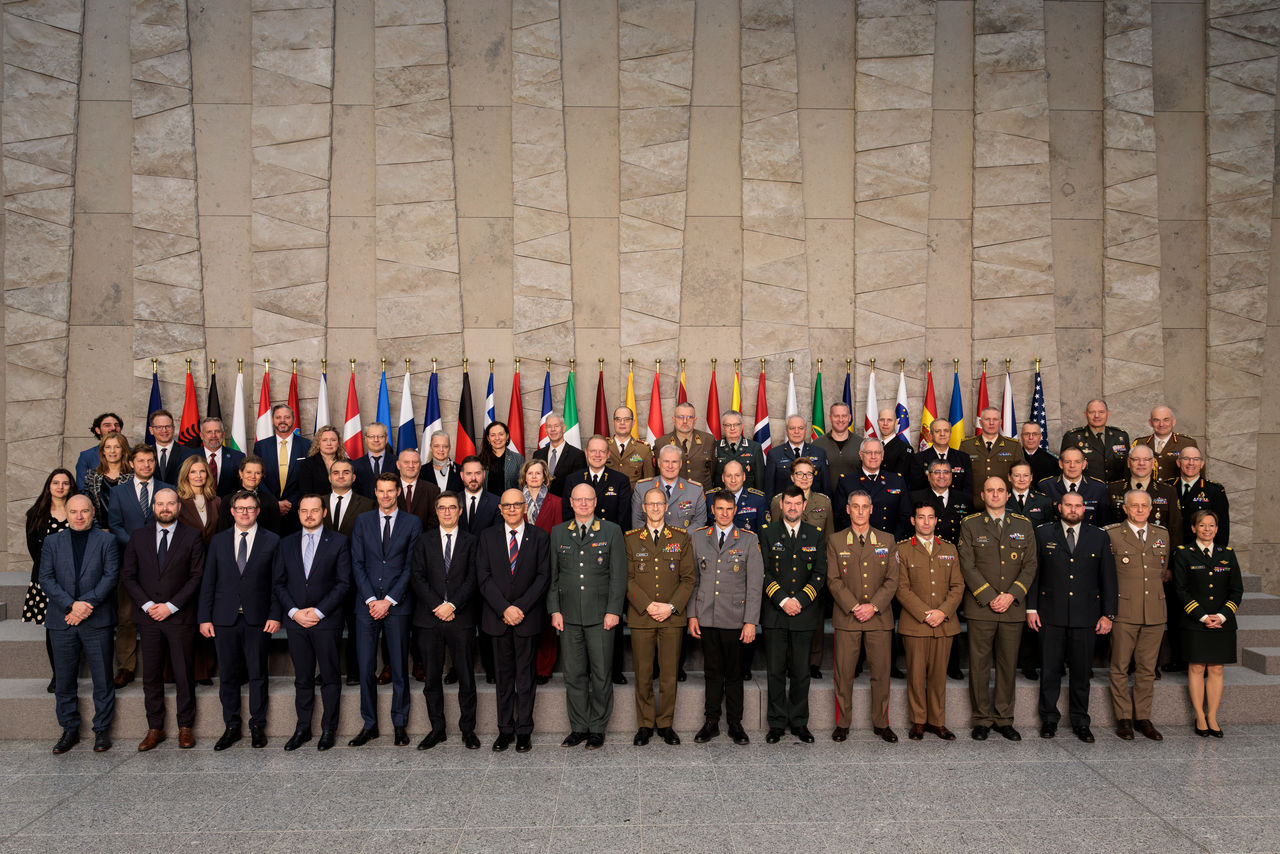
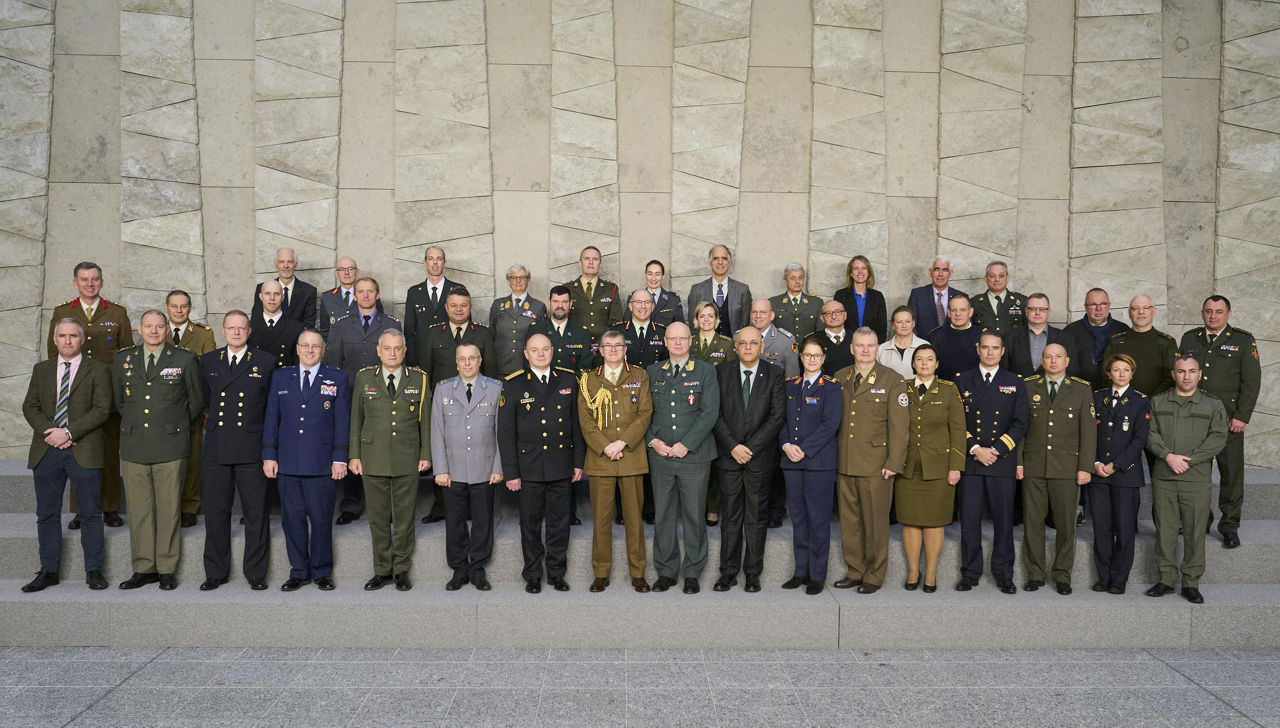
Family photo - Meeting of the NATO Committee of Chiefs of Military Medical Services (COMEDS) with NATO Joint Health Group (JHG).
Lieutenant General Remigijus Baltrėnas, Director General of the International Military Staff, stressed that closer cooperation between civilian and military health services is essential to meeting collective defence needs while maintaining care for civilians.
Allies discussed the Supreme Allied Commander Europe’s (SACEUR) direction on warfighting readiness, what it means for medical support and what arrangements host nations need to have in place. They reviewed progress on the Medical Action Plan and committed to using upcoming exercises to improve cooperation and readiness across civilian and military health services.
The chairs of the two bodies underscored that healthy populations and resilient health systems help maintain public confidence and social stability during crises. They stressed that closer cooperation between civilian and military health services strengthens resilience in Allied countries and across the Alliance.
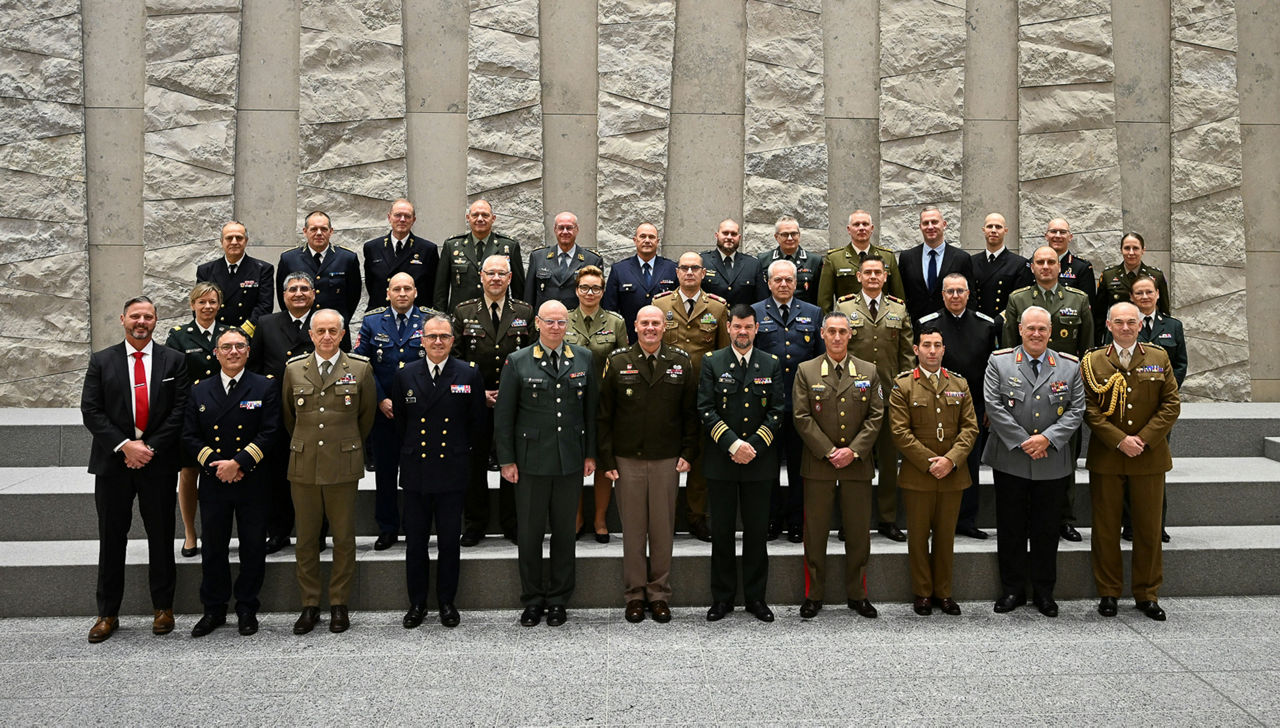
19 November 2026