Close
Back


From now on you can download videos from our website
If you would also like to subscribe to the newsletter and receive our latest updates, click on the button below.
Enter the email address you registered with and we will send you a code to reset your password.
The password must be at least 12 characters long, no spaces, include upper/lowercase letters, numbers and symbols.
Click the button to return to the page you were on and log in with your new password.
21 October 2026
2 MIN READ
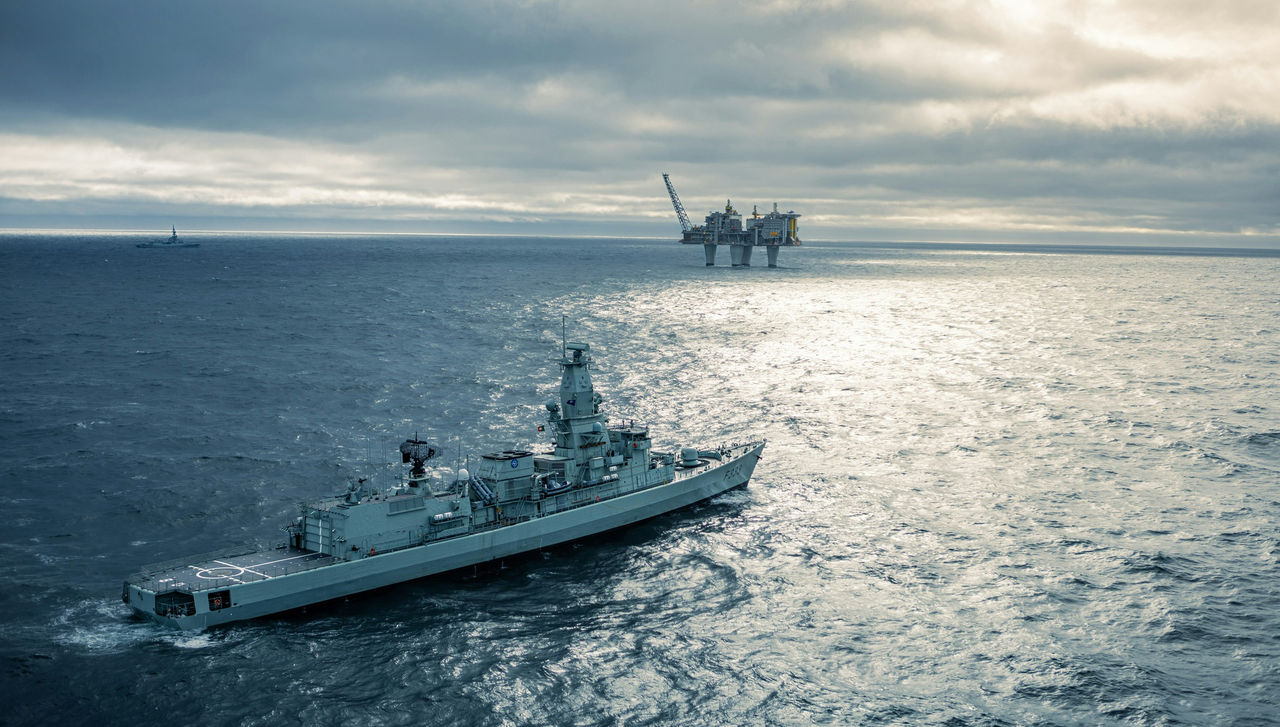
NATO’s Critical Undersea Infrastructure (CUI)-Network met on 20-21 October 2026 in Rostock, Germany, bringing together Allies, NATO experts, infrastructure operators, as well as European Union representatives and NATO partner nations.
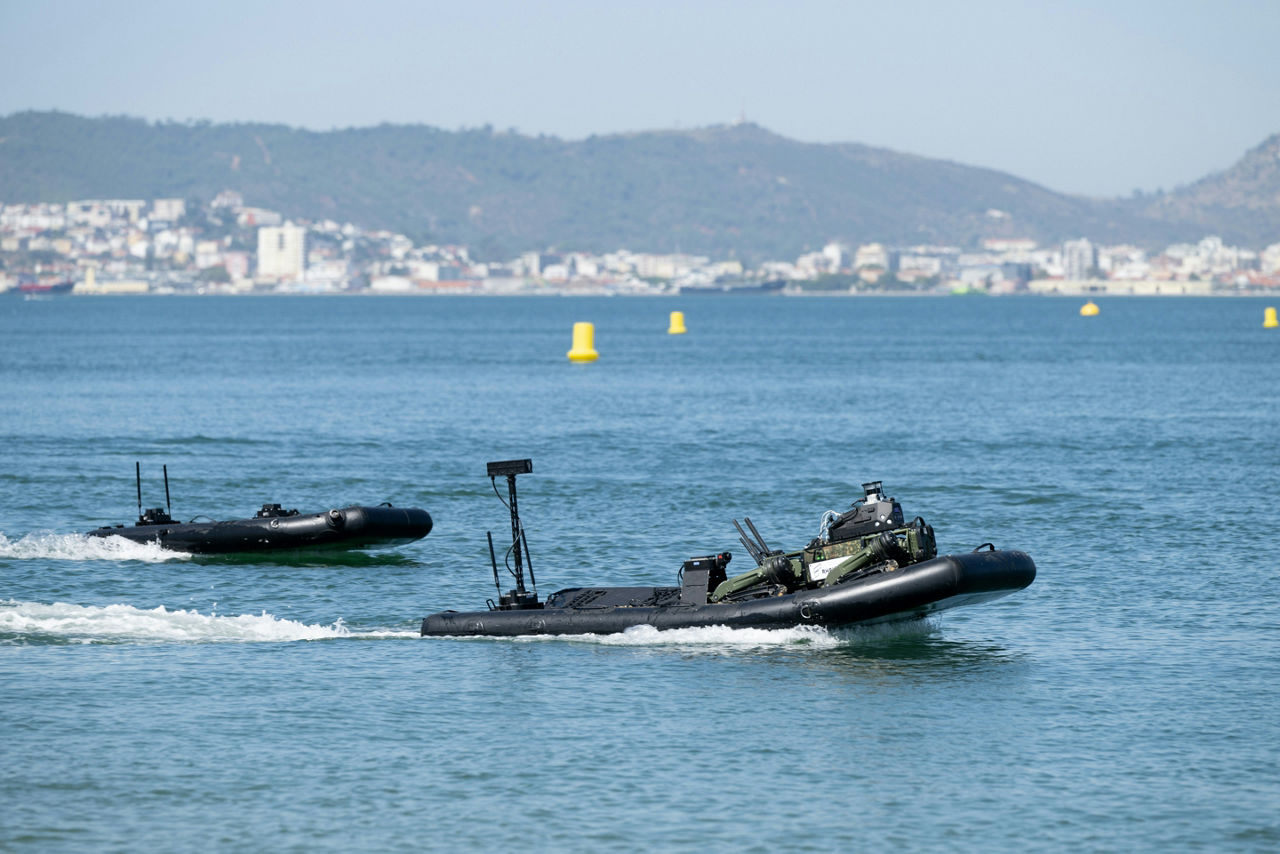
In the face of rising hybrid threats, the Network addressed practical steps to increase cooperation, including by sharing data, and to implement CUI security strategies successfully. They focused in particular on enhancing operational capabilities and rapid response, building resilience, and strengthening coordination. Members of the network also visited a German private sector exhibition and demonstration featuring cutting-edge technologies, including Uncrewed Surface and Underwater Vessels, Modular Uncrewed Vessels, and Mine Counter Measures assets, designed to enhance detection, monitoring, and response capabilities.
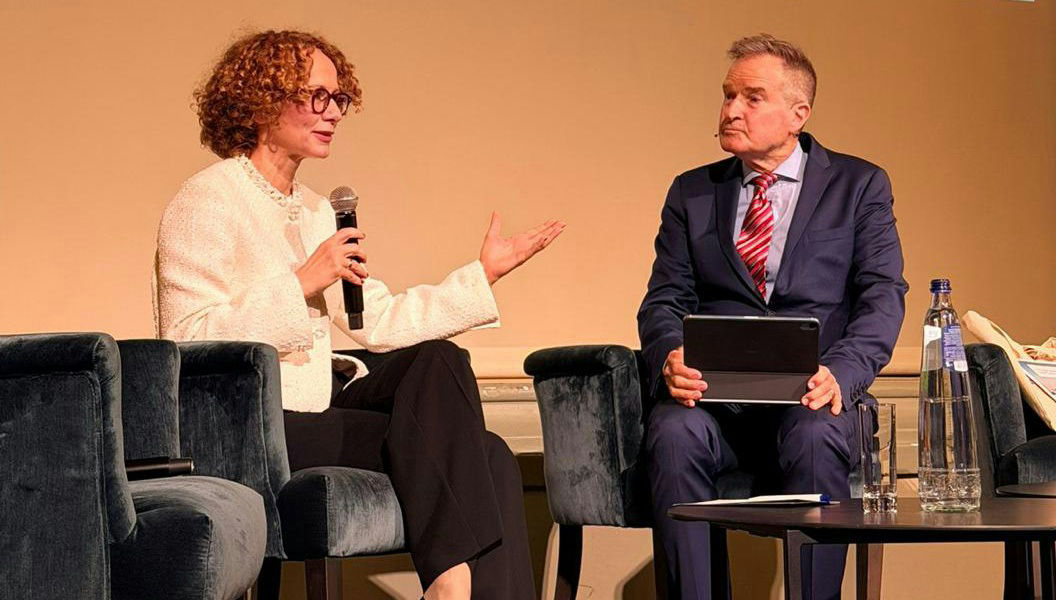
“Data is our means of ensuring real-time situational awareness and strengthening our vigilance. Sharing it binds governments, industry owners and operators, and the NATO Enterprise together” said Ambassador Jean-Charles Ellermann-Kingombe, NATO’s Assistant Secretary General for Cyber and Digital Transformation and Special Coordinator for Hybrid Threats. He noted that “Critical infrastructure is a target. We have seen this in Ukraine, as well as in Russia’s hybrid attacks against NATO Allies. The CUI-Network is at the core of NATO’s broader approach to countering hybrid threats.”
This year’s plenary meeting saw NATO’s CUI-Network continue to evolve, with the addition of new companies and the first participation of partners from the Indo-Pacific and the Middle East.
Thanking Host Nation Germany for its valuable contribution to securing critical undersea infrastructure, ASG Ellermann-Kingombe concluded: “We have the resources, we have the expertise, and we should face these challenges with purpose and confidence.”