
Close
Back


From now on you can download videos from our website
If you would also like to subscribe to the newsletter and receive our latest updates, click on the button below.
Enter the email address you registered with and we will send you a code to reset your password.
The password must be at least 12 characters long, no spaces, include upper/lowercase letters, numbers and symbols.
Click the button to return to the page you were on and log in with your new password.
17 April 2026
1 MIN READ
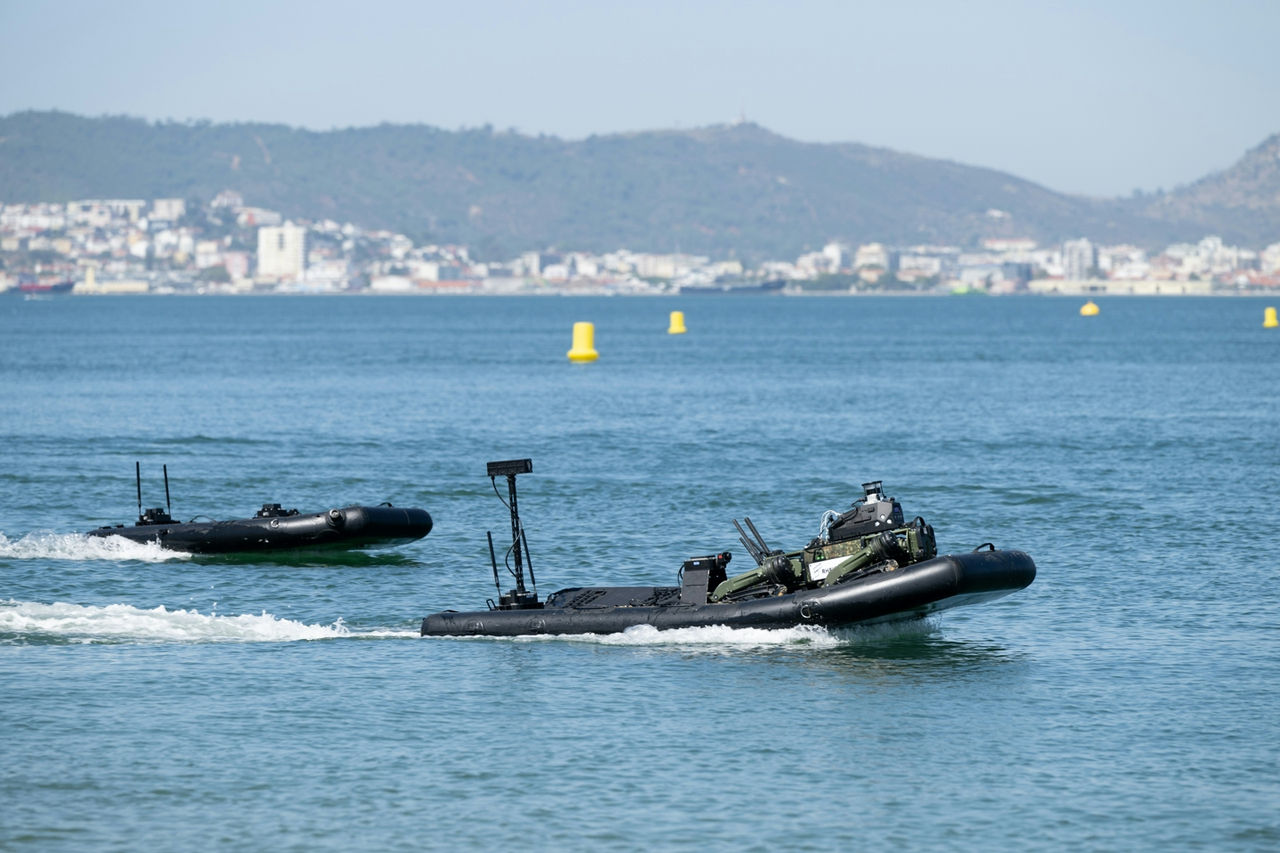
On Friday (17 April 2026), NATO Allies and industry representatives met at NATO Headquarters in Brussels, to discuss the implications of developments in the Middle East for energy and Critical Undersea Infrastructure (CUI) security.
In discussions chaired by Ambassador Jean-Charles Ellermann-Kingombe, NATO’s Assistant Secretary General for Cyber and Digital Transformation and Special Coordinator for Hybrid Threats, participants from NATO’s CUI Network considered energy vulnerabilities and the security of CUI across NATO’s area of responsibility.
Following briefings from the NATO Energy Security Centre of Excellence, and NATO’s Allied Maritime Command, participants from Allies, industry, and the NATO staff shared their perspectives on potential scenarios, and measures to ensure energy and CUI security.
Framing the discussions, Ambassador Ellermann-Kingombe said: “Across the Alliance, this is not only a question of energy markets. It is a matter of security, resilience and preparedness closely related to NATO’s core tasks – deterrence and defence. Energy security is vital in ensuring our warfighting capacity.”