
Close
Back


From now on you can download videos from our website
If you would also like to subscribe to the newsletter and receive our latest updates, click on the button below.
Enter the email address you registered with and we will send you a code to reset your password.
The password must be at least 12 characters long, no spaces, include upper/lowercase letters, numbers and symbols.
Click the button to return to the page you were on and log in with your new password.
06 June 2026
2 MIN READ
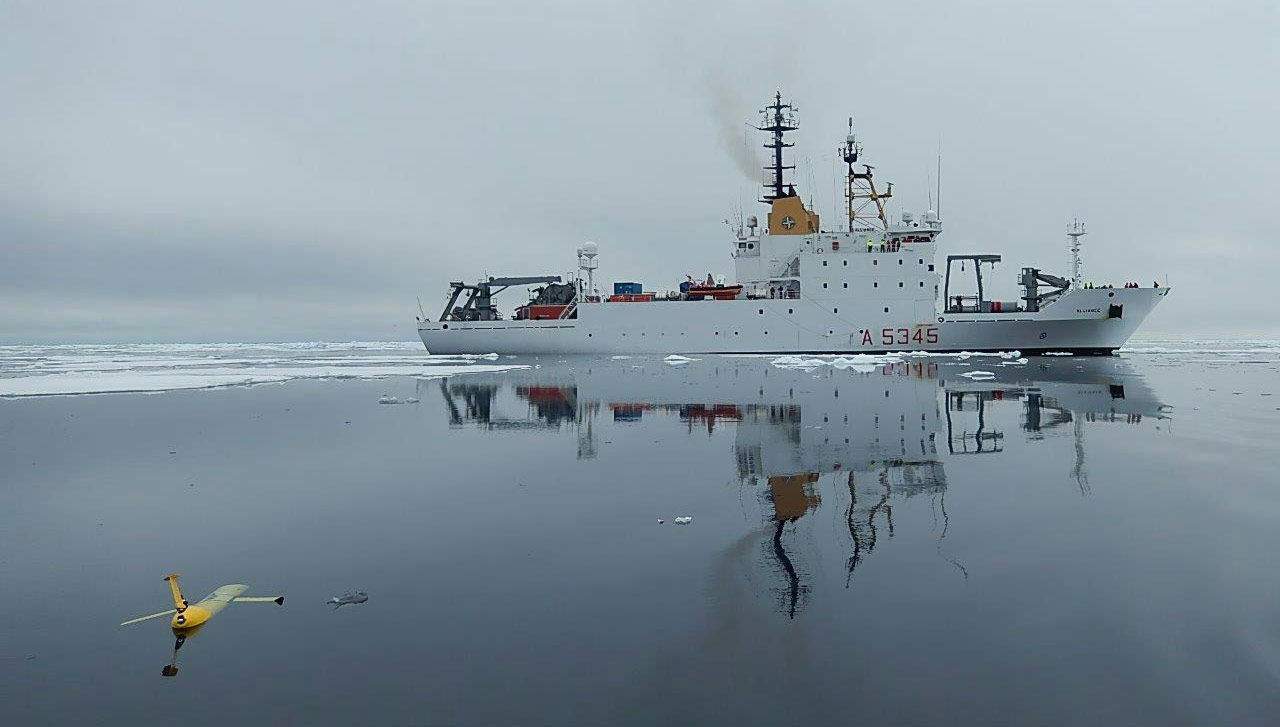
On Saturday (6 June 2026), the NATO Research Vessel Alliance departed La Spezia, Italy, for the High North and Arctic, marking the start of Task Force X (TFX)-Arctic – NATO’s new initiative to strengthen the Alliance's awareness and presence in the region. TFX-Arctic falls under NATO’s Rapid Adoption Action Plan approved at the 2025 NATO Summit in The Hague, which aims at accelerating innovation adoption and integration into military operations. It builds on experience gained from the conduct of TFX-Baltic, launched in January 2025 to enhance the security of critical undersea infrastructures in the Baltic Sea region.
Led by Allied Command Transformation (ACT), TFX-Arctic is designed to demonstrate, for the first time, how networked uncrewed systems, under ultimate human control, can deliver persistent multi-domain situational awareness across the North Atlantic, the Arctic and the High North. "Task Force X-Arctic is about testing and integrating new technology in one of the most demanding operational environments on the planet," said Admiral Pierre Vandier, Supreme Allied Commander Transformation. "It will help Allies define the standards of the future and maintain the fighting edge required to operate, adapt and prevail in the High North."
The NATO Research Vessel is due to stop off the shore of Iceland for the first phase of an 18-month programme of experimentation. For three weeks, the vessel, crewed and operated by the Italian Navy, will serve as the experimentation platform for autonomous systems and technologies from innovative companies selected through NATO's Defence Innovation Accelerator for the North Atlantic (DIANA).
NATO’s Science & Technology Organization’s Centre for Maritime Research & Experimentation (CMRE) is the technical lead, responsible for the mission’s delivery. "CMRE has been leading the development of autonomous capabilities for the most challenging maritime environments," said Dr Eric Pouliquen, CMRE Director. "Task Force X-Arctic puts that experience to work for the Alliance, delivering real capability in real Arctic conditions."
The testing of technologies, as well as their inter-connectivity and data-sharing in Arctic conditions, will continue throughout 2026 and into next year, with a full-scale demonstration planned for the summer of 2027. Allied Maritime Command (MARCOM) oversees the integration of assets and technologies into maritime operations.
Task Force X-Arctic supports Arctic Sentry, NATO's enhanced vigilance activity in the Arctic and the High North under the command of NATO’s Joint Force Command (JFC) Norfolk.
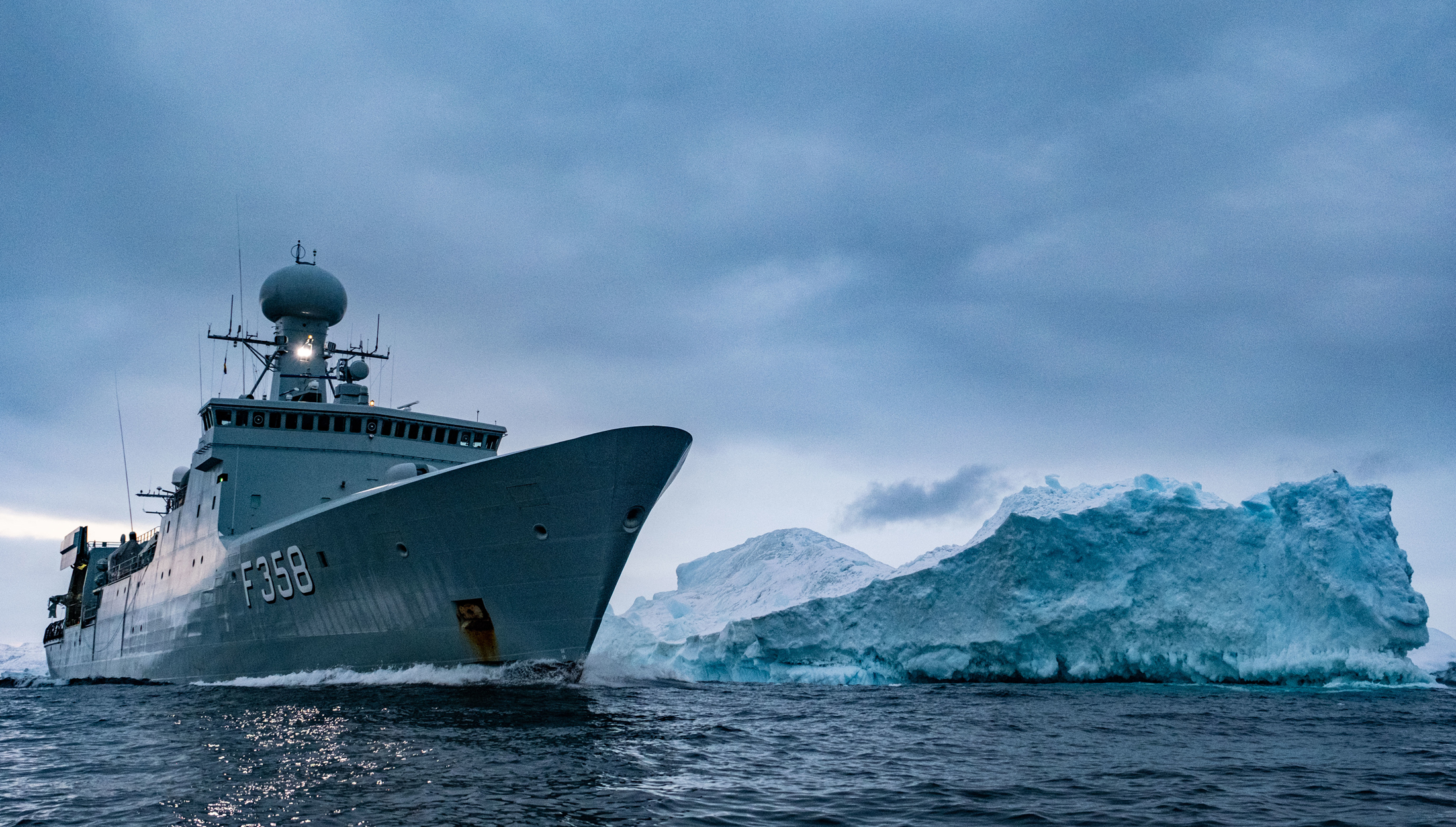
NATO has had a presence in the Arctic since its founding in 1949. Five of NATO’s founding members – Canada, Denmark, Iceland, Norway and the United States – are Arctic states. In recent years, the Alliance has reinforced its presence in the Arctic and the High North. Finland and Sweden’s recent membership has greatly enhanced NATO’s posture in the region, and strengthened the Alliance’s Arctic capabilities. In February 2026, NATO launched Arctic Sentry, a military activity that further strengthens its deterrence and defence across the region. In June 2026, NATO established Forward Land Forces (FLF) Finland, a multinational military presence that is further strengthening the Alliance’s northern and eastern flanks.