Close
Back


From now on you can download videos from our website
If you would also like to subscribe to the newsletter and receive our latest updates, click on the button below.
Enter the email address you registered with and we will send you a code to reset your password.
The password must be at least 12 characters long, no spaces, include upper/lowercase letters, numbers and symbols.
Click the button to return to the page you were on and log in with your new password.
Updated: 24 July 2026
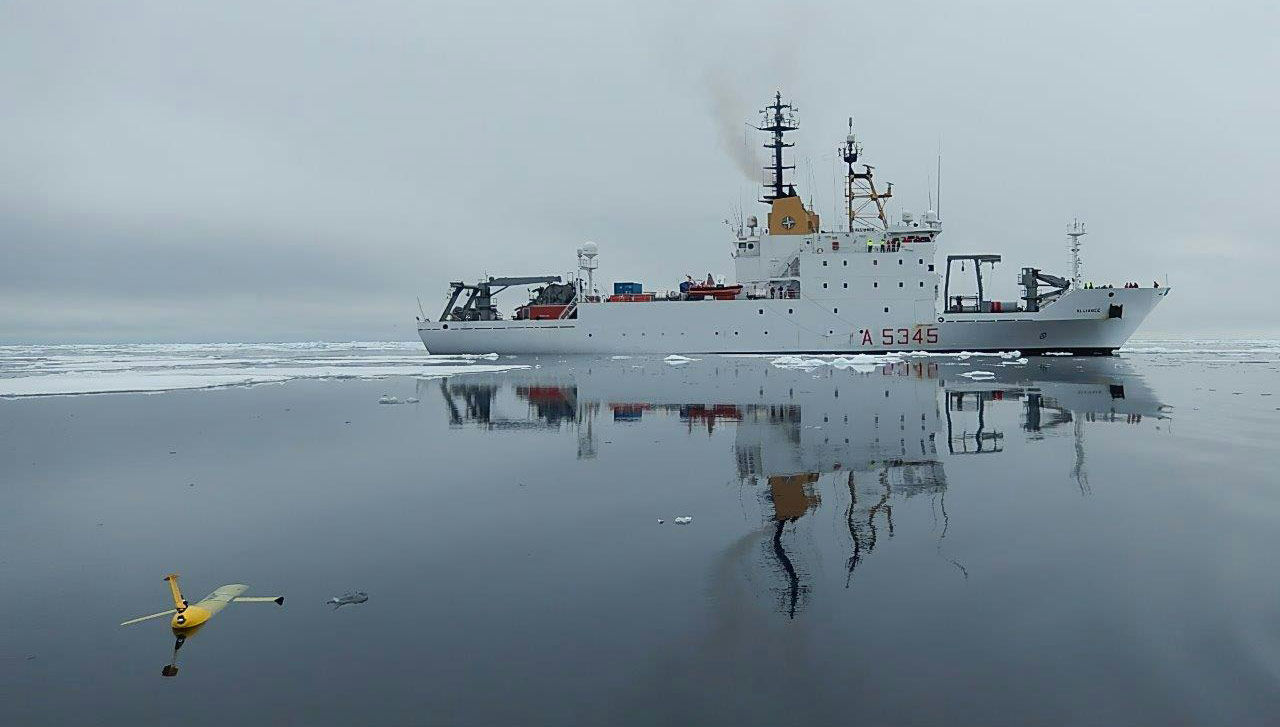
The Arctic and the High North are increasingly important for NATO’s collective security. Seven of the eight Arctic states are NATO Allies, so the Alliance has a clear interest in preserving security, stability and cooperation in the region. NATO Allies regularly conduct exercises in the High North, ensuring that they are ready to defend and operate in all conditions.
The Arctic is a gateway to the North Atlantic, hosting vital trade, transport and communication links between North America and Europe.
It is also an area of increasing strategic competition. Russia has significantly increased its military activity in the region – setting up a new Arctic Command, opening new and former Soviet-era Arctic military sites (including airfields and deep-water ports), and testing novel weapons systems. China’s interest in the Arctic is also growing, as Beijing seeks to gain access to energy, critical minerals and sea lines of communication. Furthermore, increased Russia-China cooperation has strategic and operational implications for NATO’s deterrence and defence posture in the region.
At the same time, climate change is affecting the Arctic and High North – opening up new sea routes as seasonal ice melts more rapidly, causing more extreme weather events, and changing the operational environment for armed forces.
In this context, NATO is increasing its focus on the High North, ensuring that Allies in the Arctic are defended against all threats and that sea routes of communication and reinforcement remain open.
Arctic Sentry is a multi-domain military activity that is strengthening NATO’s posture in the Arctic and High North. This enhanced Vigilance Activity (eVA) is providing NATO planners with full visibility of Allies’ national activities across the region, allowing NATO to consolidate these actions into one coherent, overarching operational approach.
Launched in February 2026, Arctic Sentry reflects Allies’ collective understanding that NATO must do even more as an alliance to ensure security in the Arctic and the High North, and to further strengthen its ability to operate in the region.
Arctic Sentry is led by Joint Force Command Norfolk (JFC Norfolk), with overall strategic direction provided by Allied Command Operations. JFC Norfolk will also collaborate with Allied Command Transformation and coordinate activities with the joint US-Canada North American Regional Aerospace Defense Command (NORAD), as well as the US Northern Command and US European Command.
In 2019, NATO established Joint Force Command Norfolk (JFC Norfolk), the Alliance’s operational headquarters in North America (in Norfolk, Virginia, United States). One of its main duties is to secure the strategic sea lines of communication across the Atlantic.
In December 2025, NATO’s Supreme Allied Commander Europe (SACEUR) updated the geographic boundaries used to coordinate NATO’s military activities, adding Nordic Allies Denmark, Finland and Sweden to JFC Norfolk’s area of responsibility (which already included Iceland, Norway and the United Kingdom). This realignment reflects the geopolitical significance of the region, the evolving security environment, the accession of Finland and Sweden, and NATO’s continued commitment to safeguarding the Arctic and the High North.
NATO has been actively increasing its presence by establishing new structures throughout Allied territory in the Arctic and the High North. These installations are enhancing the Alliance’s situational awareness and ability to operate in the region.
In October 2025, NATO opened the Combined Air Operations Centre (CAOC) in Bodø, Norway. This CAOC complements the existing centres in Torrejón, Spain (which covers airspace south of the Alps) and Uedem, Germany (covering airspace north of the Alps). By adding a third CAOC in the Arctic and High North, NATO increases its operational awareness, redundancy and flexibility. The Centre oversees air operations in the Nordic region, the Baltic Sea, the North Atlantic and the Barents Sea, ensuring that airspace in the High North is monitored, protected and, when required, defended.
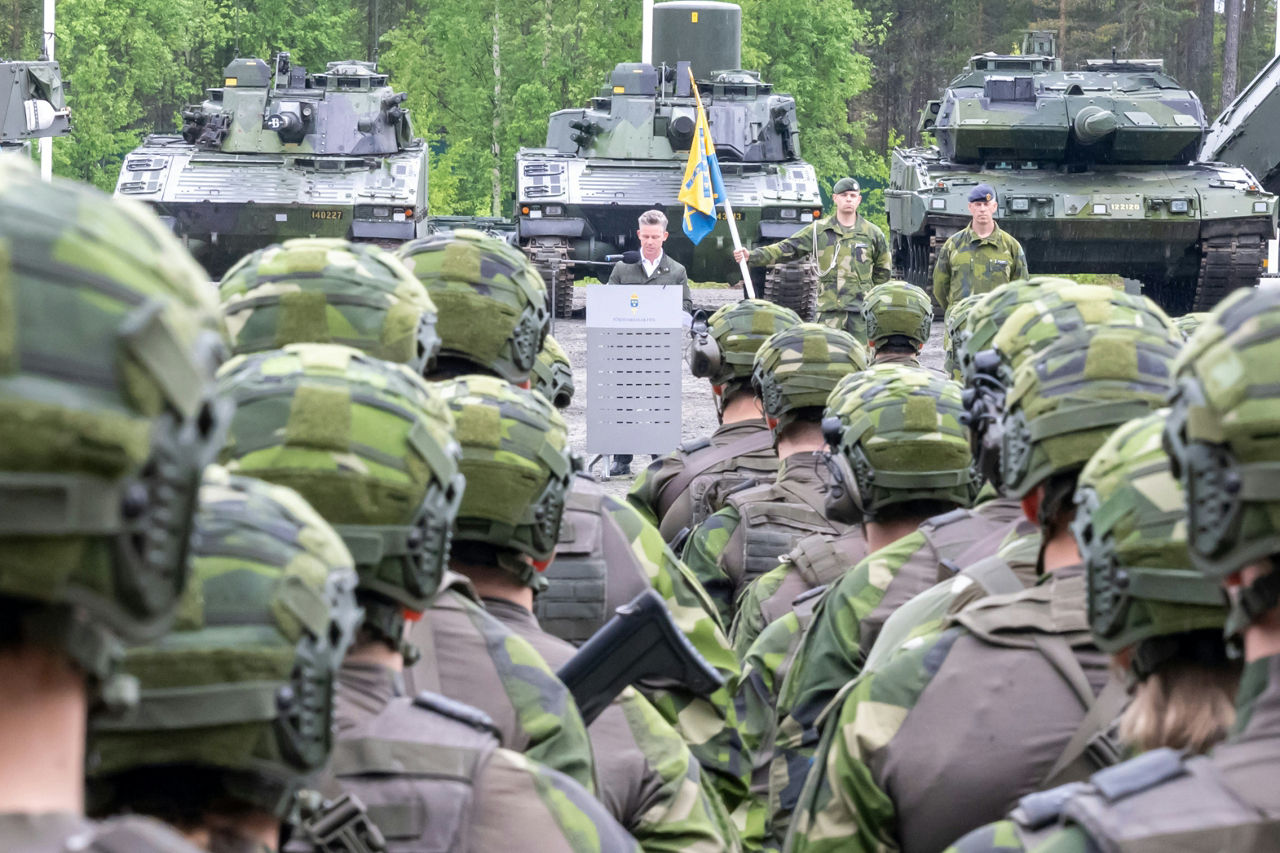
In June 2026, NATO established a multinational military presence in Finland, part of the Alliance’s Forward Land Forces (FLF) along NATO’s eastern flank. FLF Finland, which is led by Sweden and includes forces from several other Allies, contributes to the Alliance’s ability to deter and defend across the eastern and northern flanks. The establishment of the FLF places a battlegroup in Boden, Sweden and a Multinational Staff Element in Rovaniemi, Finland, both under the command of NATO’s Supreme Allied Commander (SACEUR) through Joint Force Command Norfolk and Multi-Corps Land Component Command Northwest in Mikkeli, Finland.
Allies are investing in new capabilities that further support NATO’s capacity to secure the Arctic region. This includes:
NATO has conducted military exercises across the High North since the early days of the Cold War. These exercises help Allied armed forces learn how to operate in cold weather environments, practising vital skills like amphibious landings; transiting wide-open, snowy landscapes; and survival in the harshest conditions.
In recent years, Allies have stepped up the scale of their Arctic exercises, ensuring that NATO retains its warfighting readiness to operate in all conditions. Exercises like Cold Response in Norway bring together tens of thousands of Allied troops, giving them first-hand experience operating in Arctic environments and building bonds between Allies. This exercise, along with others like Denmark’s Arctic Endurance series of exercises, are included under Arctic Sentry.
NATO supports Iceland specifically through a rotational air policing mission that covers the country’s skies. Since May 2008, Allies have periodically deployed fighter aircraft to Keflavík Air Base to provide protection for Icelandic airspace. The Alliance’s Iceland air policing mission typically involves a deployment of fighter aircraft from a NATO Ally for a period of three to four weeks, three times a year.