Close
Back


From now on you can download videos from our website
If you would also like to subscribe to the newsletter and receive our latest updates, click on the button below.
Enter the email address you registered with and we will send you a code to reset your password.
The password must be at least 12 characters long, no spaces, include upper/lowercase letters, numbers and symbols.
Click the button to return to the page you were on and log in with your new password.
24 November 2026
2 MIN READ
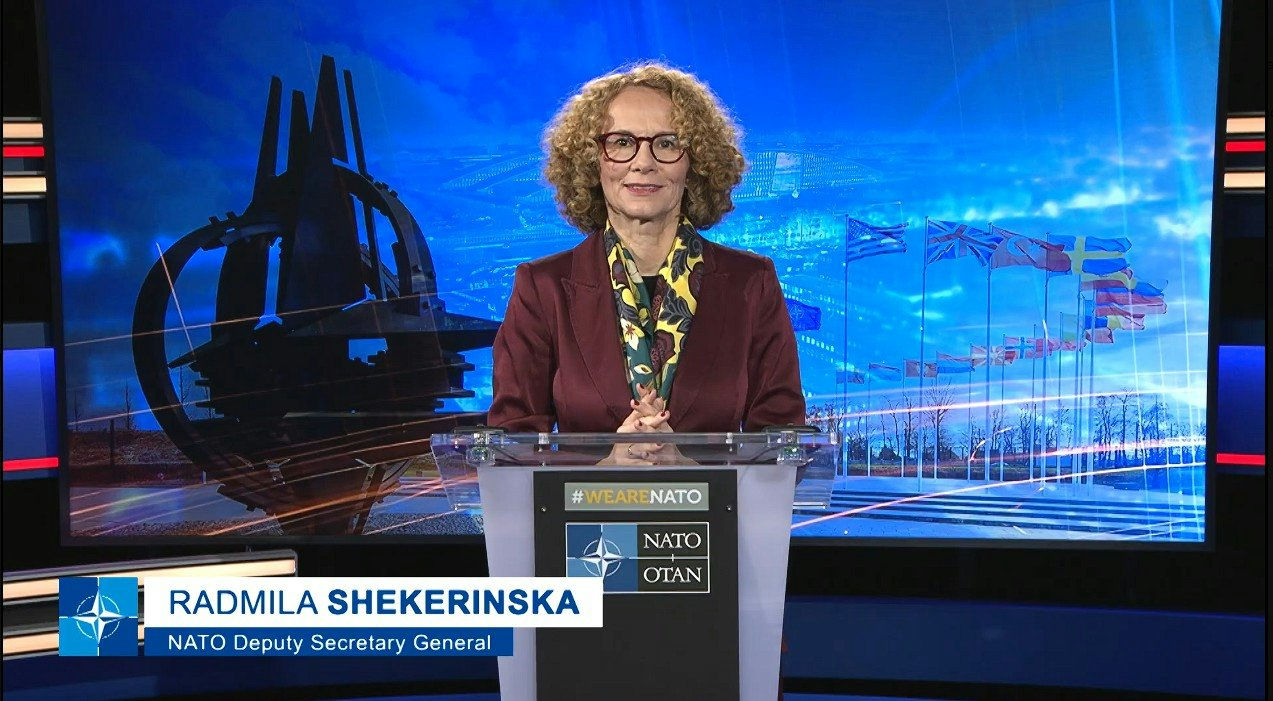
On Tuesday (24 November 2026), NATO Deputy Secretary General Radmila Shekerinska addressed the NATO Resilience Symposium in Rome. Ms Shekerinska highlighted how hostile hybrid threats increasingly target our societies as a whole, not just our armed forces, and disrupt our daily lives. She underlined how NATO and Allies are working to strengthen resilience, calling for closer cooperation with the private sector and civil society to support these efforts.
“We must all work together to build resilience against the threats we are facing. We are taking these threats seriously, and we are taking actions,” said the NATO Deputy Secretary General. “NATO’s strength doesn’t just come from our military might. It comes from our unity. From our open and democratic societies. Our free markets, innovating and creating, challenging the status quo. Our strength is our adversaries’ greatest fear,” she added.
This year’s symposium brought together over 300 participants, including representatives from Allied and partner governments; NATO civilian and military staff; the private sector; other international organisations; NATO Centres of Excellence; and academia. They discussed how to strengthen civil-military resilience across the Alliance, particularly public-private cooperation and ensuring that essential services remain available to both our populations and armed forces in times of crisis.
At the symposium, NATO issued guidance for enhancing public-private cooperation for resilience. The guidance aims to help governments, businesses and armed forces prepare, plan and exercise together for any emergency or crisis.
Address by the NATO Deputy Secretary General at the NATO Resilience Symposium