
Close
Back


From now on you can download videos from our website
If you would also like to subscribe to the newsletter and receive our latest updates, click on the button below.
Enter the email address you registered with and we will send you a code to reset your password.
The password must be at least 12 characters long, no spaces, include upper/lowercase letters, numbers and symbols.
Click the button to return to the page you were on and log in with your new password.
17 September 2026
2 MIN READ
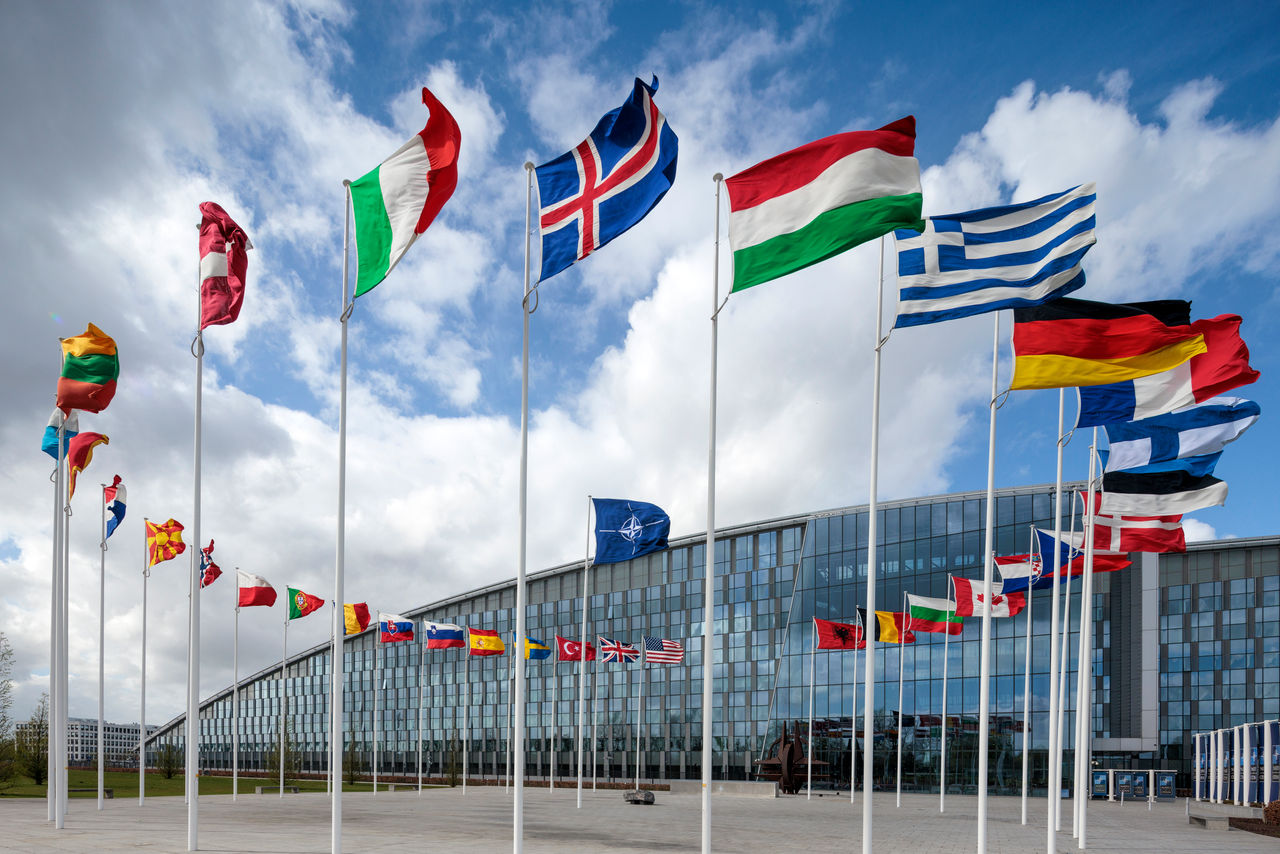
As hybrid attacks on our societies, infrastructure and digital networks occur more frequently, Allies are stepping up their resilience efforts. At the 2025 NATO Summit in The Hague, Allies agreed to account for up to 1,5% of GDP on defence- and security-related spending, including to boost civil preparedness and resilience. Resilience ensures that critical civilian services such as energy, food, water and healthcare remain available to support our societies and military at all times.
NATO’s Baseline Requirements for Resilience provide support for governments to improve civil-military cooperation and strengthen resilience as part of a ‘whole-of-society’ approach. By publicly releasing the Baseline Requirements for the first time, NATO is broadening its resilience community and building a common understanding of our resilience efforts.
NATO’s Secretary General, Mark Rutte, underscored the value of this work: “Individual Allied nations, and NATO as a whole, must be able to resist, respond to and quickly recover from shocks and disruptions. That is what resilience is all about.”
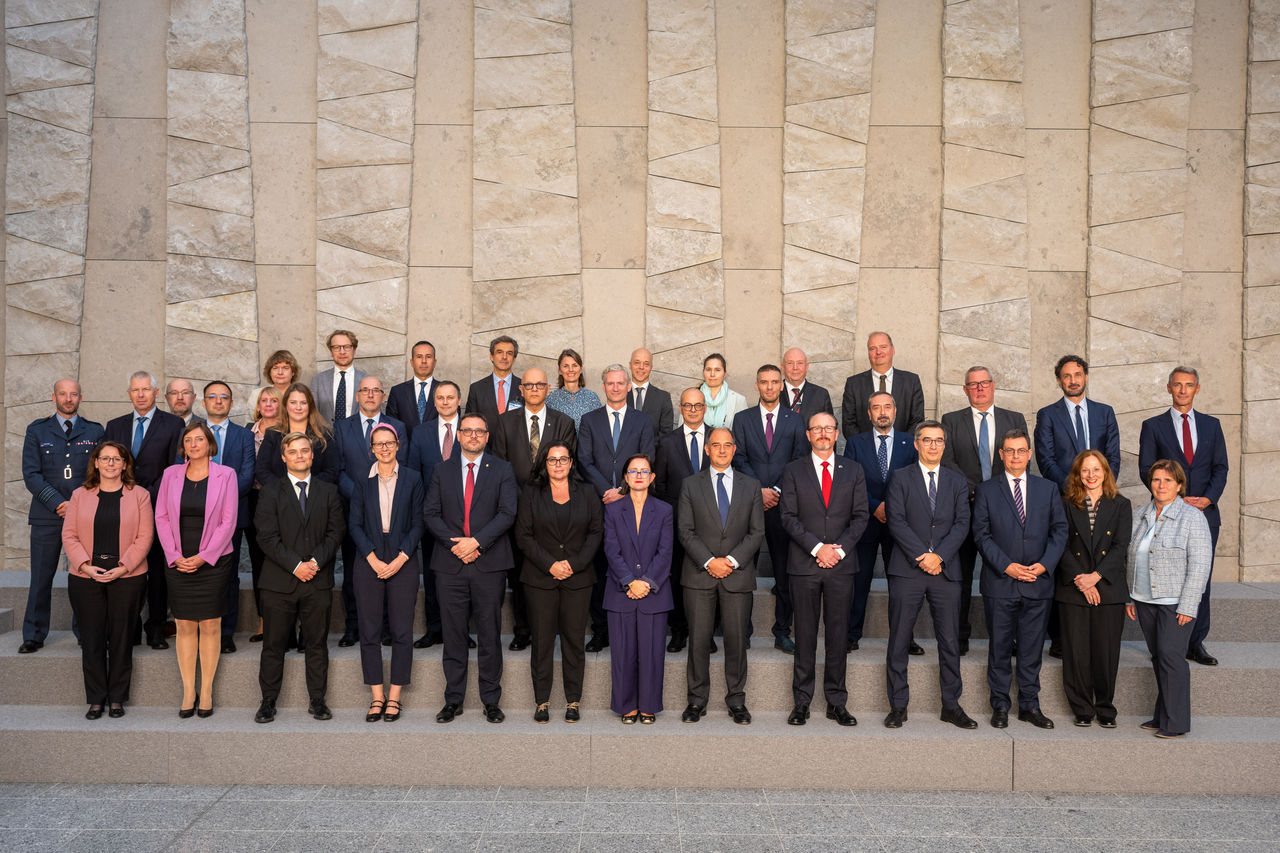
On Tuesday (15 September 2026), NATO Resilience Policy Directors met at NATO Headquarters to further strengthen the Alliance’s resilience and civil preparedness.
Policy Directors also met representatives from the water, communications and energy sectors. They discussed how industry prepares for crises and how critical services can keep running during crisis and conflict.
On Wednesday (16 September), Policy Directors met senior representatives from the European Commission and European External Action Service to discuss the EU’s Preparedness Union Strategy. The meeting concluded with a scenario-based discussion in which Ukrainian authorities shared lessons from keeping critical services running under sustained attack.