
Close
Back


From now on you can download videos from our website
If you would also like to subscribe to the newsletter and receive our latest updates, click on the button below.
Enter the email address you registered with and we will send you a code to reset your password.
The password must be at least 12 characters long, no spaces, include upper/lowercase letters, numbers and symbols.
Click the button to return to the page you were on and log in with your new password.
20 May 2010
1 MIN READ
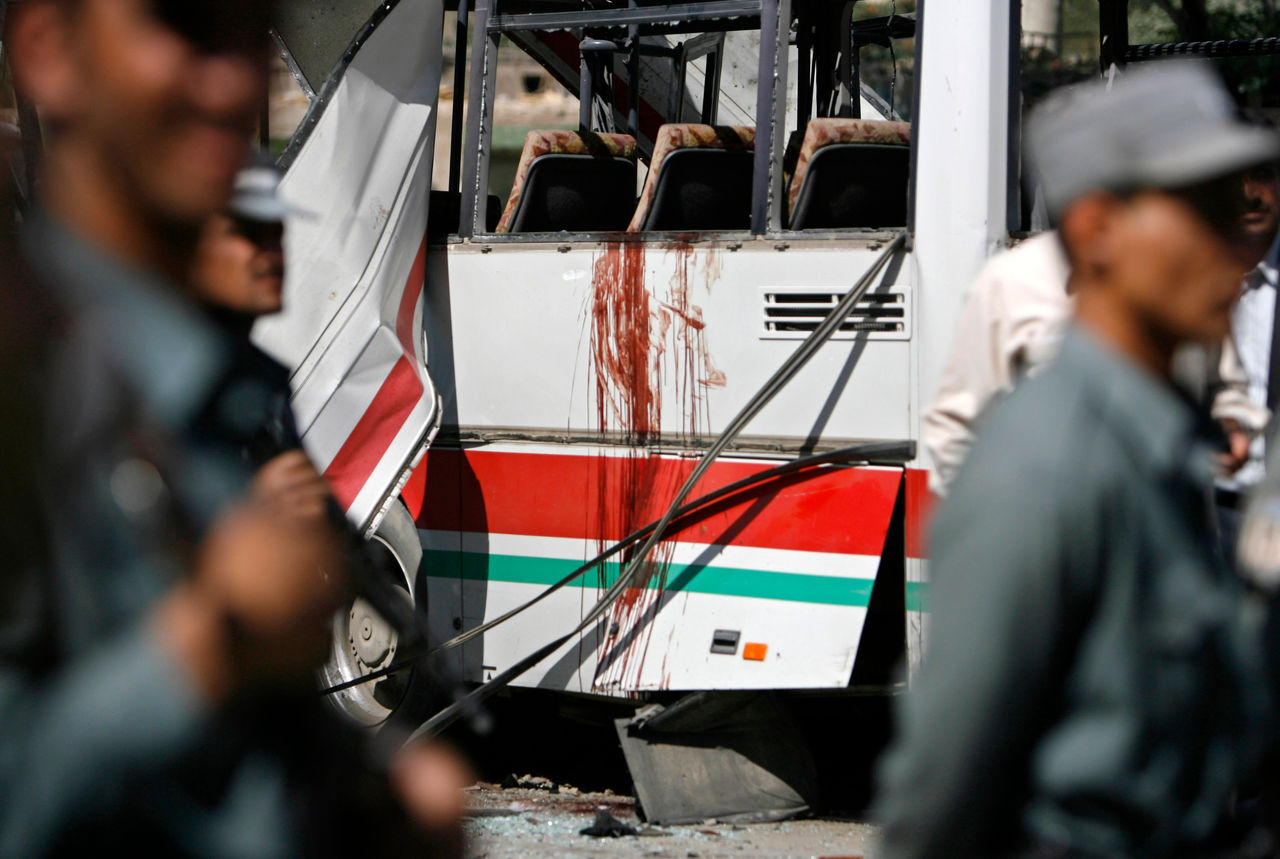
From 23 to 27 May 2010, a NATO funded Advanced Training Course in Kabul will aim to teach Afghan military and government officials the latest methods and strategies used in counter-terrorism operations.
With the active involvement of officials from the Afghan Ministries of Interior, Defence and Foreign Affairs, as well as the Government Media and Information Centre (GMIC) and the Peace and Reconciliation Secretariat, this course will look at both the strategic and operational implications for staff officers engaged in anti-terrorist activities. It will also aim to raise awareness of the roles played by the United Nations, NATO and the European Union in the fight against terrorism.
While most of the more than 40 participants will come from Afghanistan , some will also come from NATO countries such as Germany, Turkey, the United Kingdom and the United States, and partner countries such as Azerbaijan, Kyrgyzstan, Russia, Turkmenistan and Uzbekistan . The five-day mix of lectures, working groups and panel discussions will provide both a comprehensive and general overview of the subject. Experts from George Washington University, Georgia Institute of Technology and King’s College London will be among those giving lectures.
An important objective will be to inform the attendees about the current dynamics of terrorism in modern warfare, as well as the various aspects of defence against terrorism (DAT), providing them with additional skills and practical tools to prevent and defeat terrorist acts. They will discuss topics such as:
Another objective of this course is to disseminate knowledge that can help in drafting and developing policy used in counter-terrorism operations. It will give the participants a conceptual understanding about the issues of terrorism as well as equip them with tools to use at the strategic and operational level.
This course is funded through NATO’s Science for Peace and Security Programme.