Close
Back


From now on you can download videos from our website
If you would also like to subscribe to the newsletter and receive our latest updates, click on the button below.
Enter the email address you registered with and we will send you a code to reset your password.
The password must be at least 12 characters long, no spaces, include upper/lowercase letters, numbers and symbols.
Click the button to return to the page you were on and log in with your new password.
16 October 2026
2 MIN READ
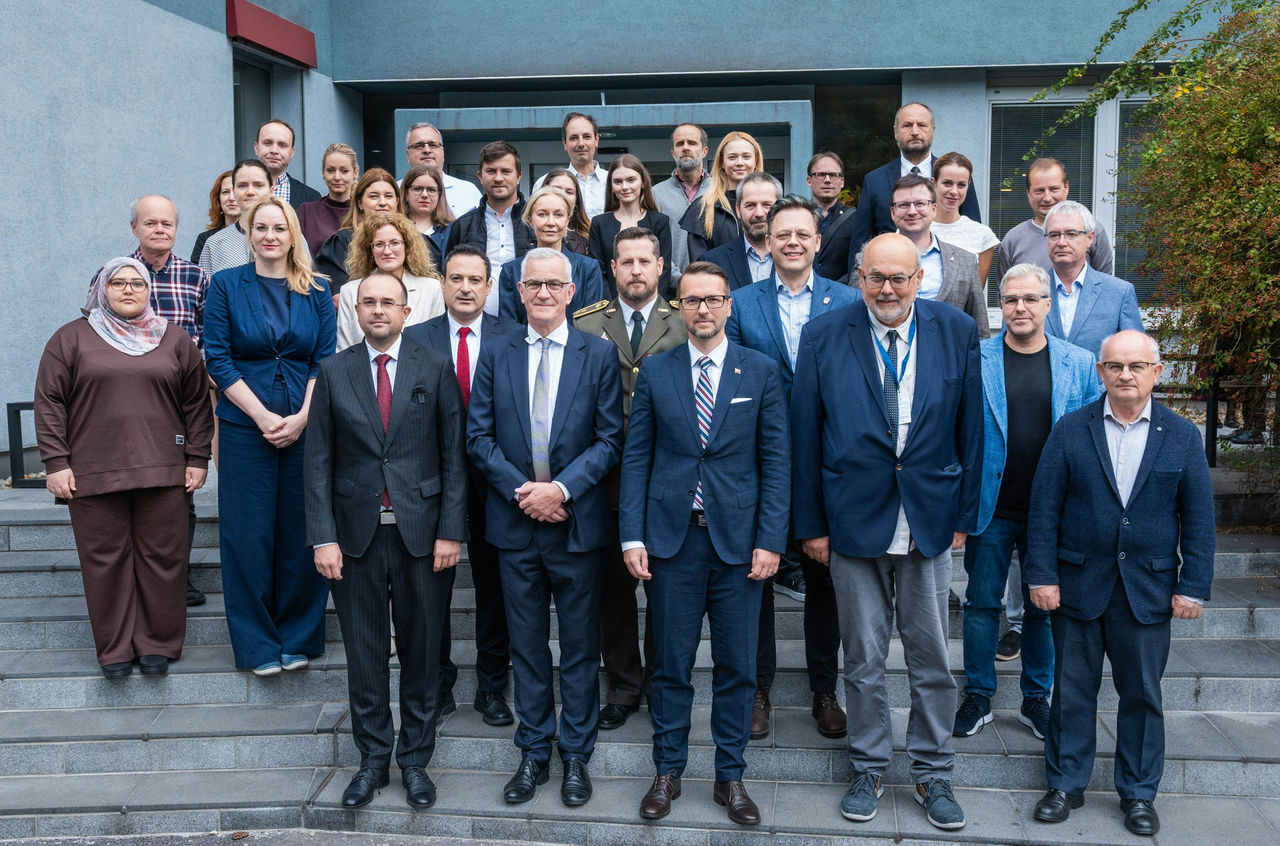
On 8 October 2026, the NATO Science for Peace and Security (SPS) Programme held an Information Day in Bratislava to deepen engagement with Slovakia’s scientific and innovation communities. Hosted by the Slovak Academy of Sciences and supported by the Ministry of Foreign and European Affairs and the Ministry of Defence of the Slovak Republic, the event brought together academics, researchers, government representatives and NATO officials to exchange views on technological developments and explore how scientific collaboration can help Allies and partners address complex security challenges.
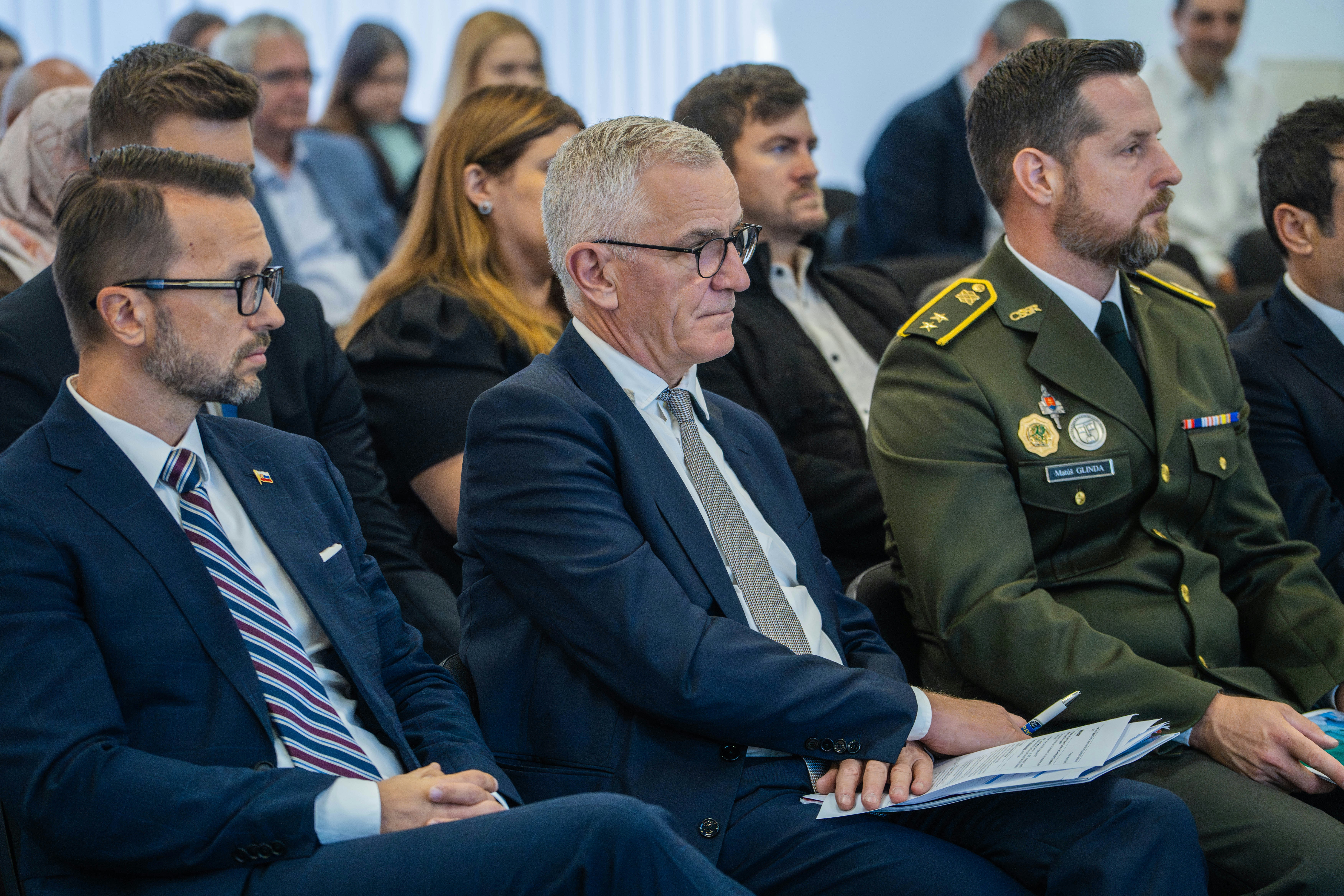 In his welcoming remarks, Piers Cazalet, Director of the Defence and Security Cooperation Directorate at NATO, highlighted the importance of technological innovation and scientific research in strengthening the Alliance’s deterrence and defence capabilities and maintaining its technological edge. He also underscored the role of research communities as Allies accelerate the adoption of new technologies and further develop their defence innovation ecosystems.
The Information Day also showcased the contributions of Slovak scientists working on SPS-supported projects in the areas of quantum technologies and secure communications, humanitarian demining, biotechnology, resilience and civil preparedness.
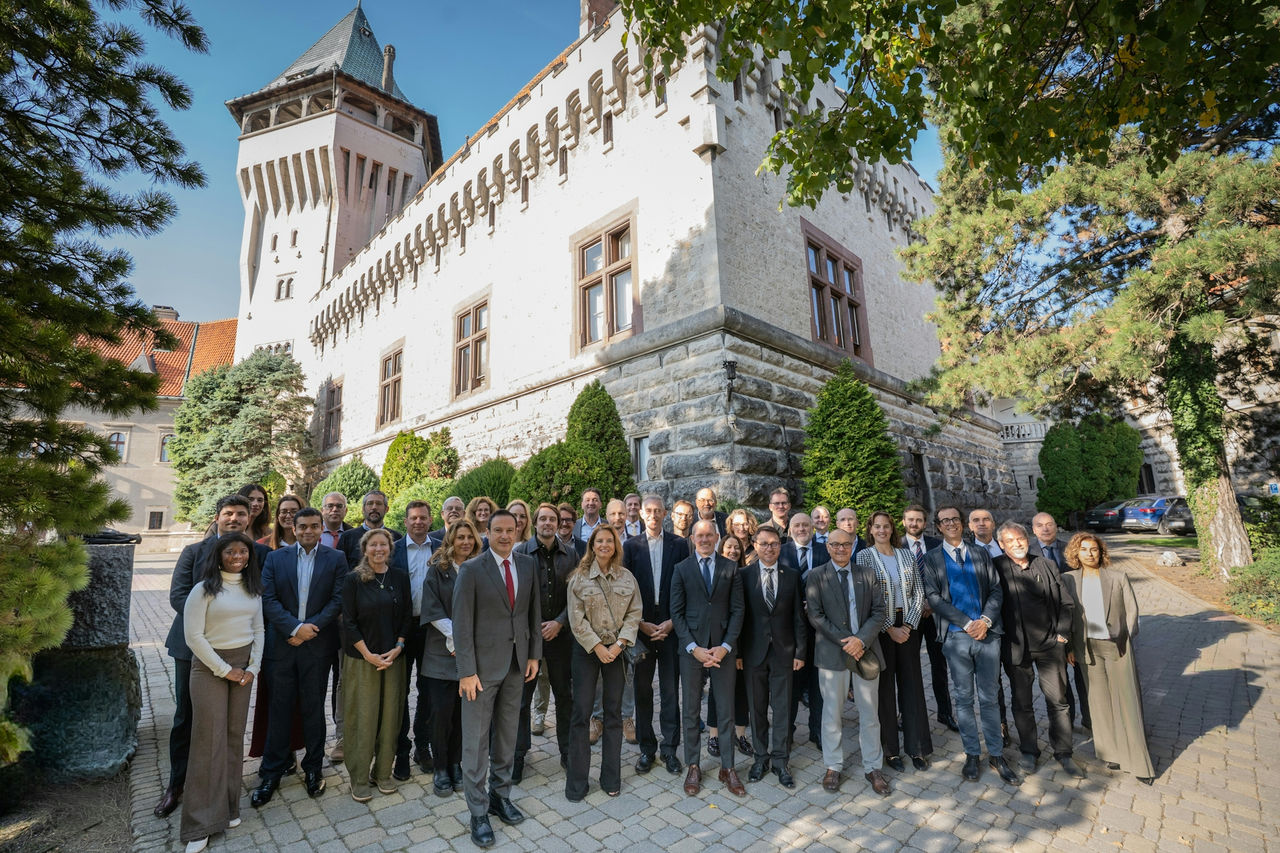
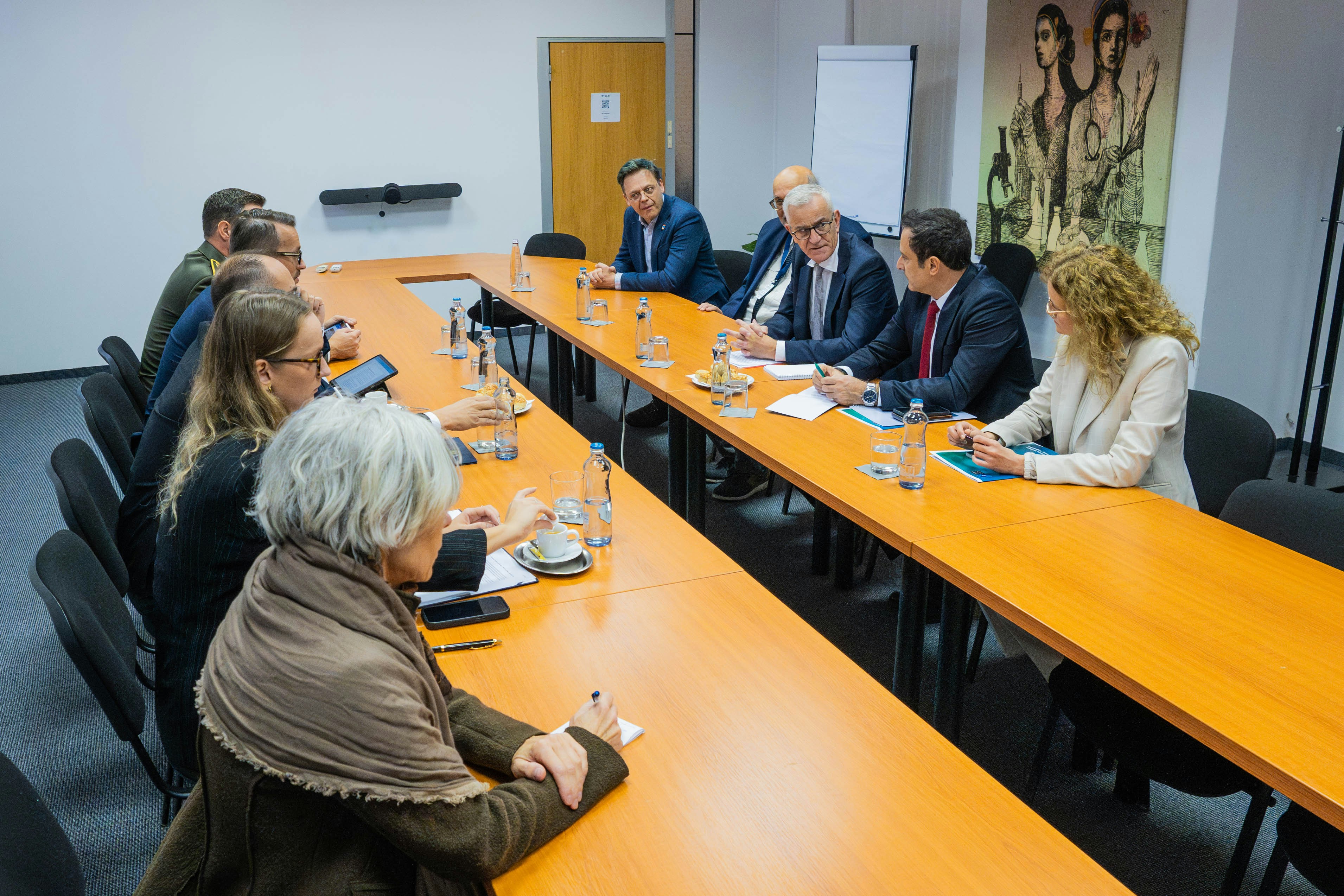 Earlier that week, members of the Independent Scientific Evaluation Group (ISEG) met in Smolenice, Slovakia, to review 92 project proposals submitted in the framework of the Programme. The proposals focused on counter-uncrewed aerial systems (C-UAS), emerging and disruptive technologies (EDTs), resilience of critical infrastructure, countering hybrid threats, and chemical, biological, radiological, nuclear and explosive (CBRNE) hazards management, among others. During their stay, the members of the Group also had the opportunity to engage with their Slovak colleagues, tour the research facilities of the Slovak Academy of Sciences in Bratislava and meet with young scientists.
Established in 1958, the SPS Programme connects researchers and other experts from NATO member and partner countries to develop practical solutions to security challenges, fostering international scientific cooperation and technological innovation.