Close
Back


From now on you can download videos from our website
If you would also like to subscribe to the newsletter and receive our latest updates, click on the button below.
Enter the email address you registered with and we will send you a code to reset your password.
The password must be at least 12 characters long, no spaces, include upper/lowercase letters, numbers and symbols.
Click the button to return to the page you were on and log in with your new password.
08 May 2026
2 MIN READ
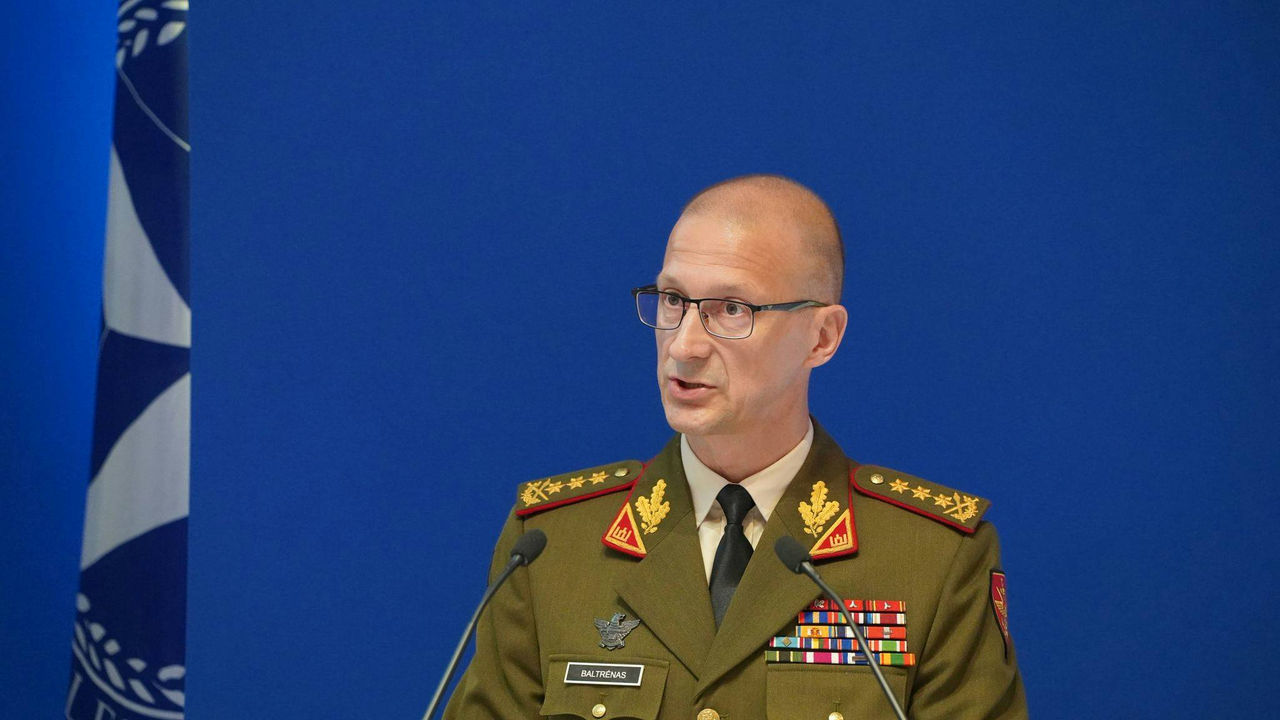
Rome, 8 May 2026 - Lieutenant General Remigijus Baltrėnas, Director General of the International Military Staff (DGIMS), addressed the Generals, Flag Officers and Ambassadors Course (GFOAC) at the NATO Defence College, in Rome, today.
In his keynote speech about NATO’s strategic military partnerships, DGIMS emphasised how “NATO’s partnerships will remain one of the Alliance’s greatest strategic advantages in the years ahead. Through structured partnerships with non-member states and international organisations, NATO strengthens stability, builds resilience, and enhances collective security.”
Lieutenant General Baltrėnas noted also how partnerships reinforce NATO’s core tasks - deterrence and defence, crisis prevention and management, and cooperative security — by countering hybrid threats and disinformation, and addressing shared challenges, from climate impacts to threats to the rules-based international order.
Speaking about long-standing and evolving frameworks, such as the Partnership for Peace, the Mediterranean Dialogue and the Istanbul Cooperation Initiative, as well as cooperation with global partners and international organisations, DGIMS recalled how all these relationships are tailored, voluntary and mutually beneficial.
Finally, he pointed to exercises and interoperability initiatives as key enablers of readiness and deterrence, and outlined NATO’s sustained support to Ukraine through joint analysis, training and coordinated assistance. “In an era of fast-moving, multi-domain threats – DGIMS concluded - NATO’s partnerships are not supplementary but central to collective security and stability.”
The GFOAC brings together generals, flag officers, ambassadors and senior civilian decision-makers from NATO and partner nations. The course aims to deepen understanding of current politico-military issues affecting the Alliance, foster mutual understanding and promote professional networking among participants.
The Director General of the International Military Staff leads the International Military Staff at NATO Headquarters in Brussels. The IMS comprises around 500 military and civilian personnel from NATO member countries and supports the NATO Military Committee.


Lieutenant General Remigijus Baltrėnas, DGIMS, Generals, Flag Officers and Ambassadors Course (GFOAC) at the NATO Defence College, in Rome
Lieutenant General Remigijus Baltrėnas, DGIMS, Generals, Flag Officers and Ambassadors Course (GFOAC) at the NATO Defence College, in Rome
Lieutenant General Remigijus Baltrėnas, DGIMS) and Generals, Flag Officers and Ambassadors Course (GFOAC) participants
Lieutenant General Remigijus Baltrėnas, DGIMS, Generals, Flag Officers and Ambassadors Course (GFOAC) at the NATO Defence College, in Rome
21 October 2026
7 October 2026
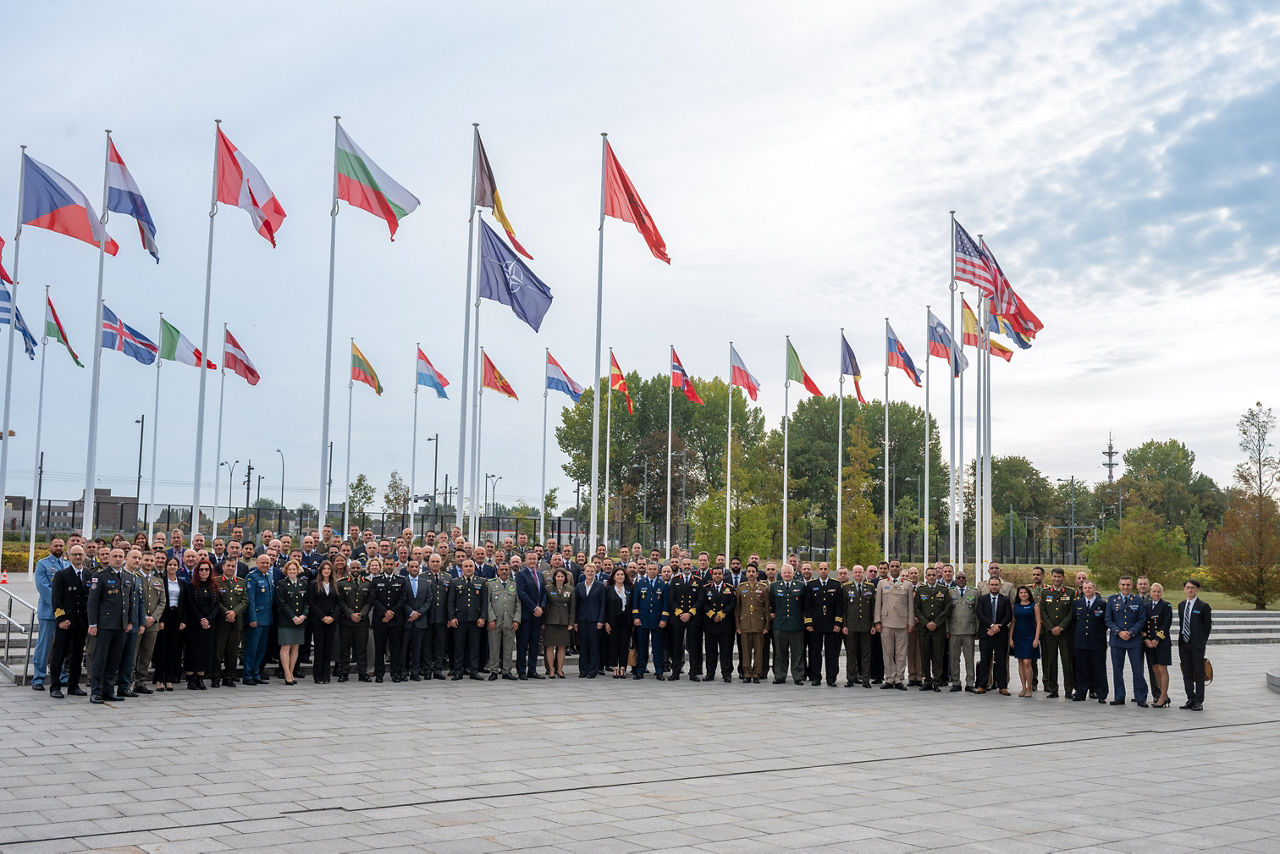
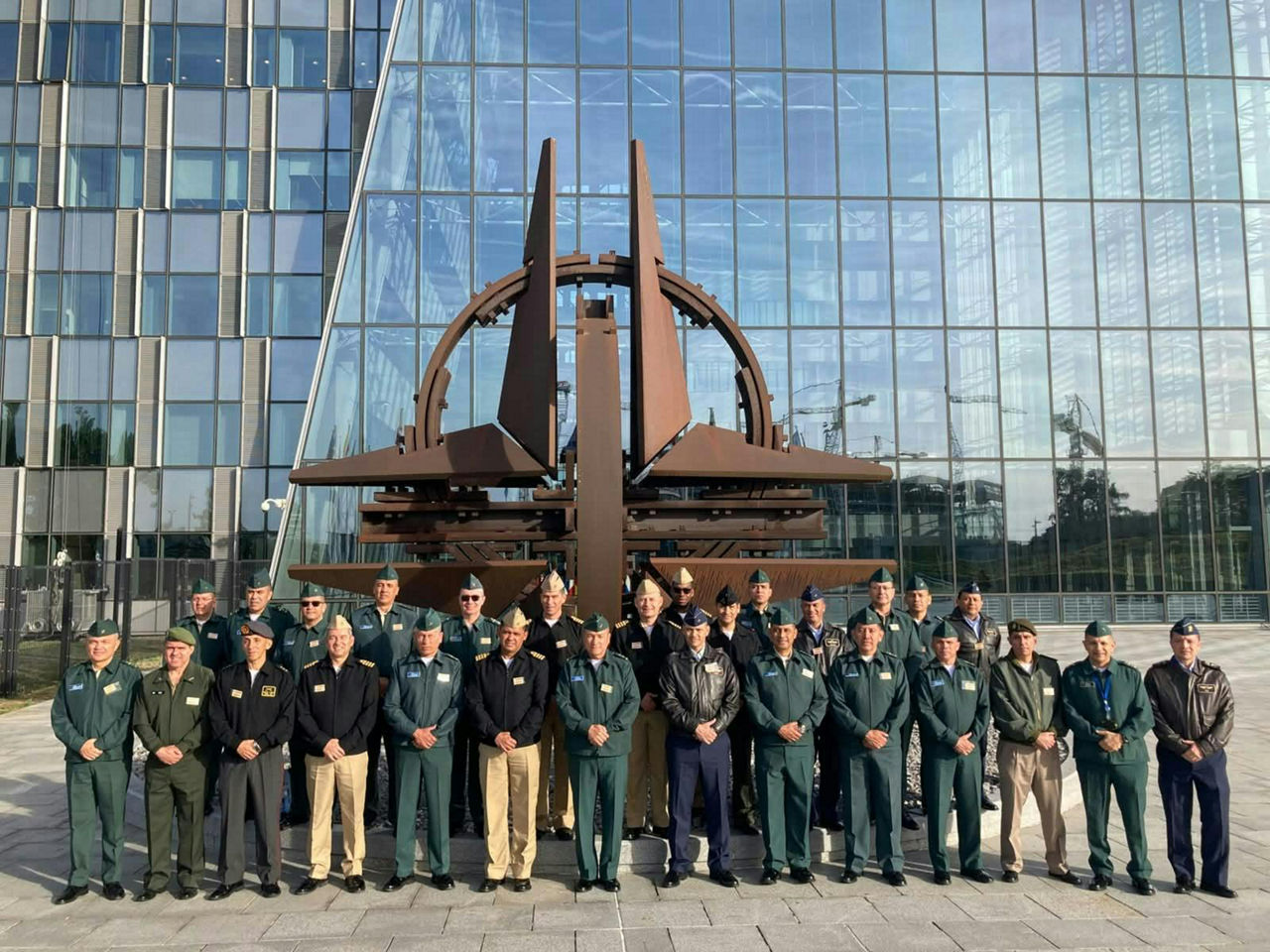
24 September 2026