
Close
Back


From now on you can download videos from our website
If you would also like to subscribe to the newsletter and receive our latest updates, click on the button below.
Enter the email address you registered with and we will send you a code to reset your password.
The password must be at least 12 characters long, no spaces, include upper/lowercase letters, numbers and symbols.
Click the button to return to the page you were on and log in with your new password.
08 December 2023
1 MIN READ
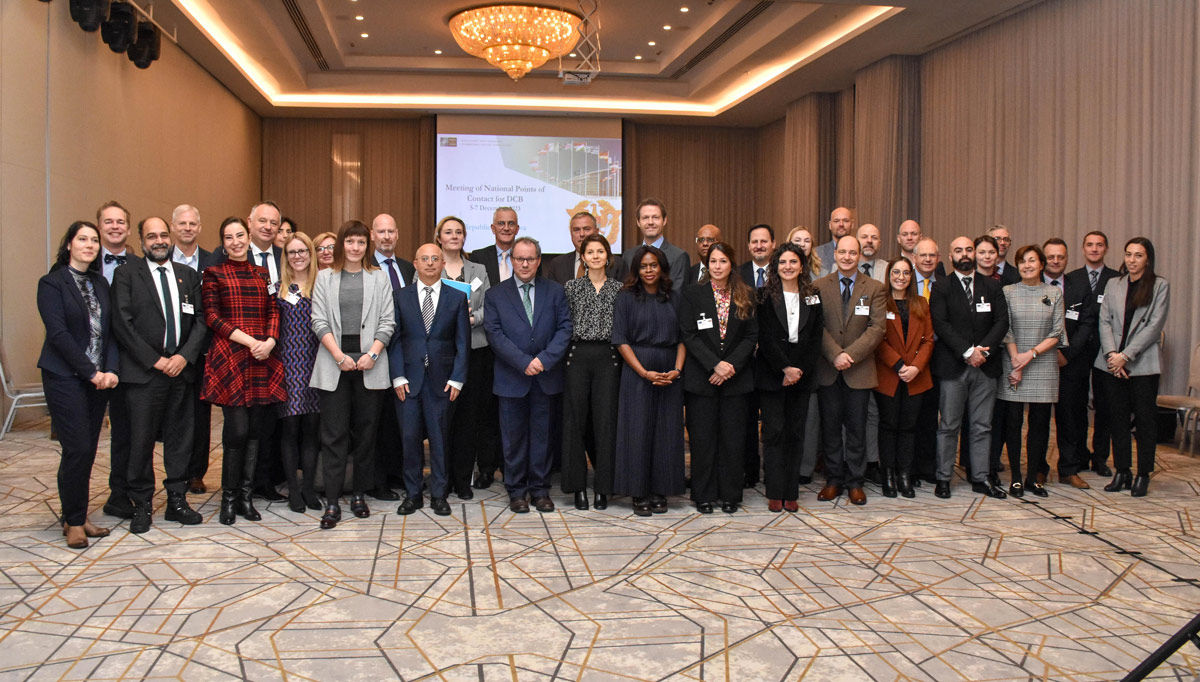
Representatives from Allied and partner countries met in Chisinau, Republic of Moldova from 5 to 7 December 2023 to exchange views on defence capacity building programmes to support several NATO's partners, including Bosnia and Herzegovina, Georgia, Iraq, Jordan, Mauritania, Moldova, and Tunisia.
Every year, subject matter experts across the defence capacity building community gather to share lessons learned and best practices. Participants exchanged views on the implementation of an Enhanced Defence Capacity Building Package for Moldova approved at February’s meeting of NATO defence ministers, as well as similar, tailored forms of defence capacity-building support for other NATO partners.
Through Defence Capacity Building Packages, NATO helps partner countries to strengthen their resilience, by helping them to enhance their national defence and security capacities. Specific activities of support include advice on the reform of national security forces, structures and institutions, defence education and training, and assistance in different domains including logistics and cyber defence.