
Close
Back


From now on you can download videos from our website
If you would also like to subscribe to the newsletter and receive our latest updates, click on the button below.
Enter the email address you registered with and we will send you a code to reset your password.
The password must be at least 12 characters long, no spaces, include upper/lowercase letters, numbers and symbols.
Click the button to return to the page you were on and log in with your new password.
04 November 2021
2 MIN READ
Hanging up the military uniform to reintegrate to civilian life can be a challenging transition. Unique and personal circumstances mark the path of active-duty soldiers seeking to transition into society. With greater participation of women in the armed forces, understanding how they experience this transition is essential.
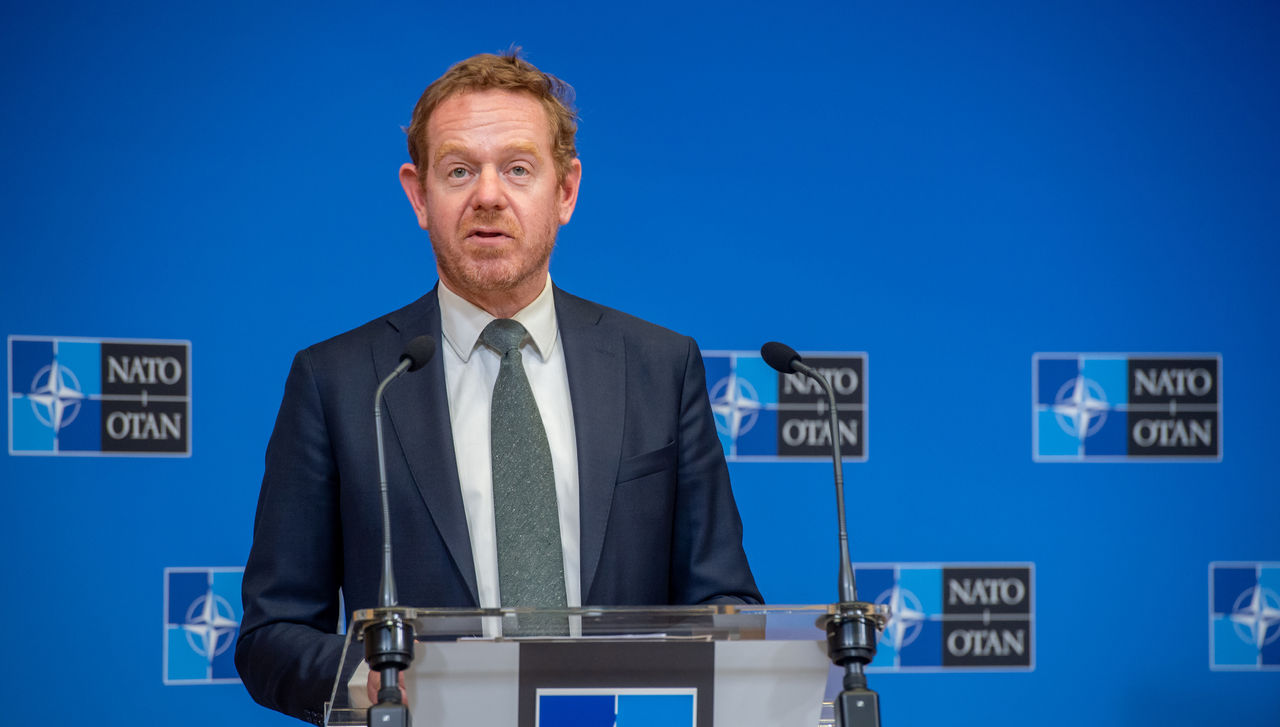
On 4 November 2021, with support from the NATO Science for Peace and Security (SPS) Programme, Canadian, Ukrainian and US experts held an online advanced research workshop to assess what research may lead to more successful reintegration of Ukrainian women military into civilian life. “A gender lens approach to the reintegration of women military into their civilian life is not a luxury. It is a must for developing relevant policies in support to such a key personal development process ,” said David van Weel, NATO Assistant Secretary General for Emerging Security Challenges. Discussion among scientists, mental health professionals and policymakers were informed by testimonies from former members of Ukraine’s Joint Force Operations returning to civilian life after active duty.
Existing research demonstrates that most former military personnel reintegrate successfully into civilian life and benefit from adequate access to effective support. However, some still experience severe difficulties in different aspects of their lives, such as developing a civilian identity, employment, finances, and mental health. This has clear adverse repercussions on individuals and on society as a whole.
The advancement of women’s participation and integration into military service is a top priority among NATO Allies and many of their partner countries in the framework of the Women, Peace and Security agenda. That said, governments and local communities need to understand women’s specialized needs after service as well, in order to develop inclusive and comprehensive policies to support an effective reintegration into civilian life. This challenge has been particularly relevant in NATO partner country Ukraine, following Russia’s illegal and illegitimate annexation of Crimea in 2014.
The topic of Women, Peace and Security was identified as a priority for scientific cooperation by the NATO-Ukraine Joint Working Group on Scientific and Environmental Cooperation in 2019, which led to extensive research supported by the NATO Science for Peace and Security Programme and to this workshop. The SPS Programme also supports scientific cooperation between experts from Ukraine and NATO countries in many other domains, including counter-terrorism, advanced technologies, cyber defence, energy security, and defence against chemical, biological, radiological and nuclear agents.