
Close
Back


From now on you can download videos from our website
If you would also like to subscribe to the newsletter and receive our latest updates, click on the button below.
Enter the email address you registered with and we will send you a code to reset your password.
The password must be at least 12 characters long, no spaces, include upper/lowercase letters, numbers and symbols.
Click the button to return to the page you were on and log in with your new password.
17 March 2014
1 MIN READ
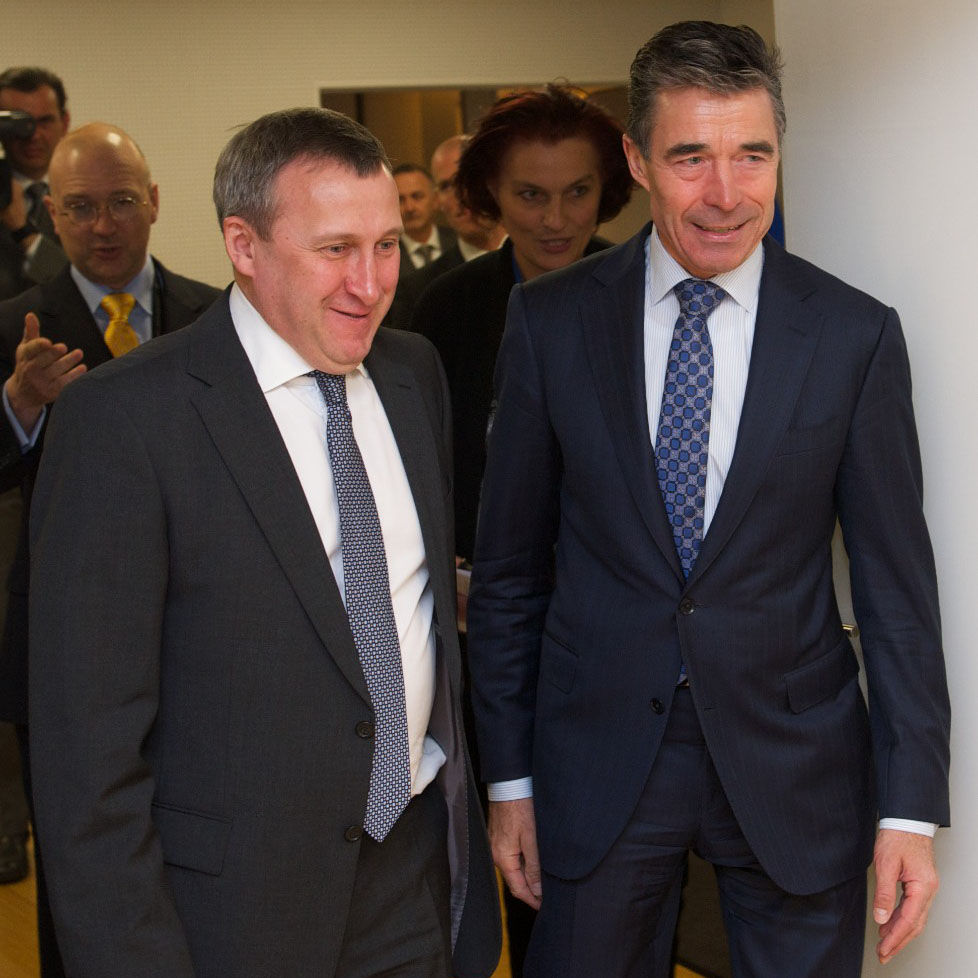
NATO Secretary General Anders Fogh Rasmussen discussed the latest developments in Ukraine, including the so-called referendum in Ukraine’s Autonomous Republic of Crimea, as well as the Alliance’s plan to intensify the NATO-Ukraine partnership with Andriy Deshchytsya, Ukraine’s Acting Foreign Minister on Monday (17 March 2014).
Mr. Fogh Rasmussen said Sunday’s so-called referendum undermined international efforts to find a peaceful and political solution to the Ukraine crisis and violated the Ukrainian constitution and international law. The Secretary General reiterated the Alliance’s firm commitment to support Ukrainian sovereignty and independence, and the territorial integrity and inviolability of Ukraine’s frontiers.
The two also discussed NATO’s determination to boost cooperation with Ukraine through the NATO-Ukraine Commission. This includes increased ties with Ukraine’s political and military leadership, strengthening efforts to build the capacity of the Ukrainian military and more joint training and exercises. The Secretary General has also said that NATO will do more to include Ukraine in its multinational projects on improving capabilities.