
Close
Back


From now on you can download videos from our website
If you would also like to subscribe to the newsletter and receive our latest updates, click on the button below.
Enter the email address you registered with and we will send you a code to reset your password.
The password must be at least 12 characters long, no spaces, include upper/lowercase letters, numbers and symbols.
Click the button to return to the page you were on and log in with your new password.
15 ноября 2013
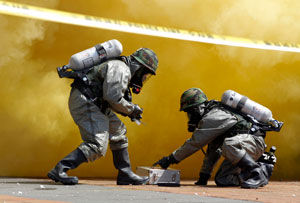
Инциденты, связанные с радиологическими, химическими, биологическими и ядерными (РХБЯ) веществами, по-прежнему представляют реальную угрозу для населения по всему миру. Во все более взаимосвязанном мире эффективное предотвращение и реагирование зависят от сотрудничества между международными субъектами для определения передовой практики и создания технологических возможностей для противодействия этим угрозам. Эксперты из государств-членов и государств-партнеров НАТО, а также из Центра по оружию массового уничтожения обсудили возможные области будущего практического сотрудничества в этой сфере в ходе трехдневного семинара, прошедшего с 22 по 24 октября в Брюсселе, организованного в рамках программы НАТО «Наука ради мира и безопасности».
Полный материал только на английском языке
http://www.nato.int/cps/en/natolive/news_105004.htm