
Close
Back


From now on you can download videos from our website
If you would also like to subscribe to the newsletter and receive our latest updates, click on the button below.
Enter the email address you registered with and we will send you a code to reset your password.
The password must be at least 12 characters long, no spaces, include upper/lowercase letters, numbers and symbols.
Click the button to return to the page you were on and log in with your new password.
29 October 2009
1 MIN READ
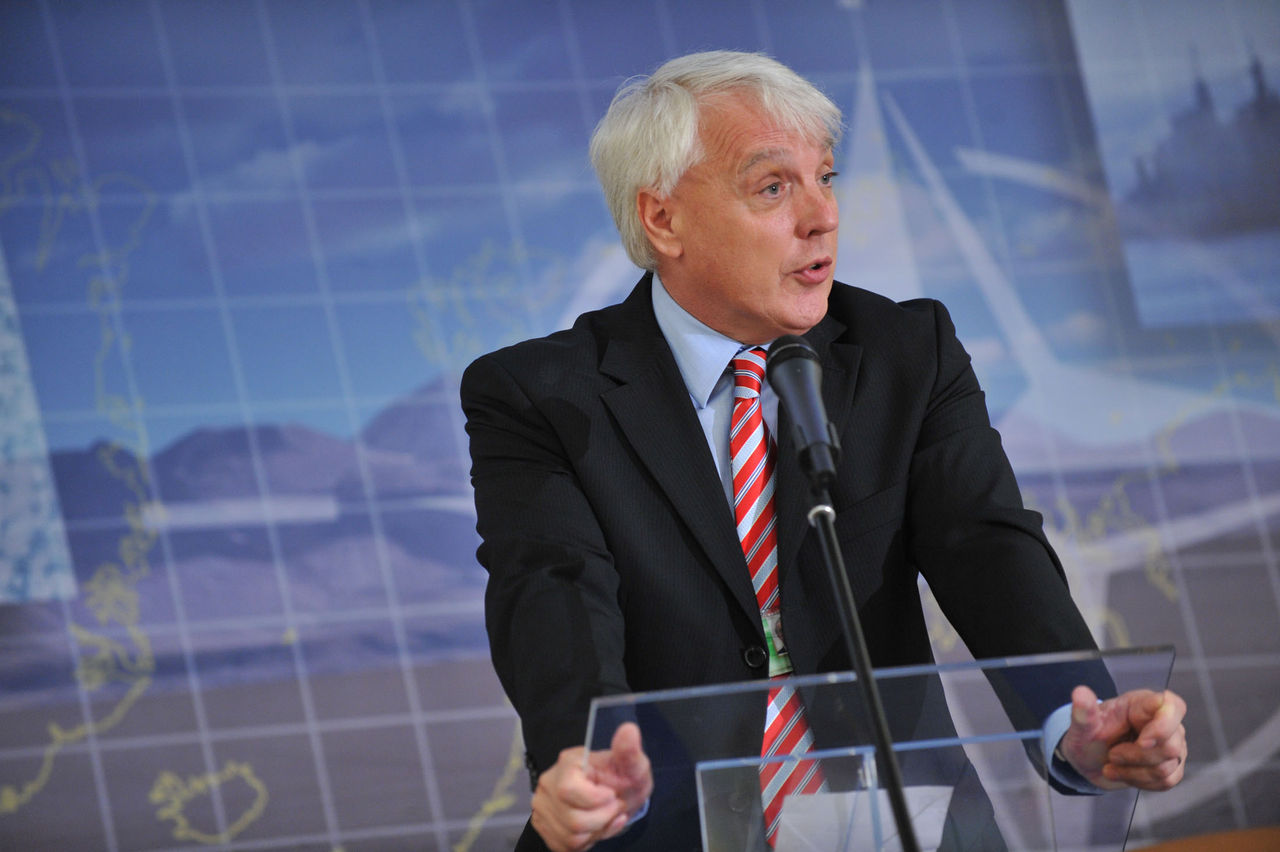
Dr Jamie Shea, Director, Policy Planning, Private Office of the Secretary General, and former NATO Spokesman, will give a series of six lectures at the Institute for European Studies (IES) in Brussels, Belgium.
Starting on 29 October each lecture deals with a specific challenge and what NATO and the international community need to do to meet that challenge successfully.
The first session will look at the proliferation of Weapons of Mass Destruction (WMD): "These days there is a lot of focus on the prospects for the proliferation of nuclear weapons, particularly in the case of Iran and North Korea. Is it, however, inevitable that we will have more nuclear powers in the world of the 21st century? Is it too late for the international community to prevent nuclear proliferation and, if so, how should they respond to it? What can the United States and Russia do to set an example of nuclear restraint and to reinforce the Nuclear Non-Proliferation Treaty at next year's review conference?” These are the questions which Jamie Shea will address - and attempt to answer - in his first lecture.
Other lectures will focus on: