
Close
Back


From now on you can download videos from our website
If you would also like to subscribe to the newsletter and receive our latest updates, click on the button below.
Enter the email address you registered with and we will send you a code to reset your password.
The password must be at least 12 characters long, no spaces, include upper/lowercase letters, numbers and symbols.
Click the button to return to the page you were on and log in with your new password.
01 July 2009
2 MIN READ
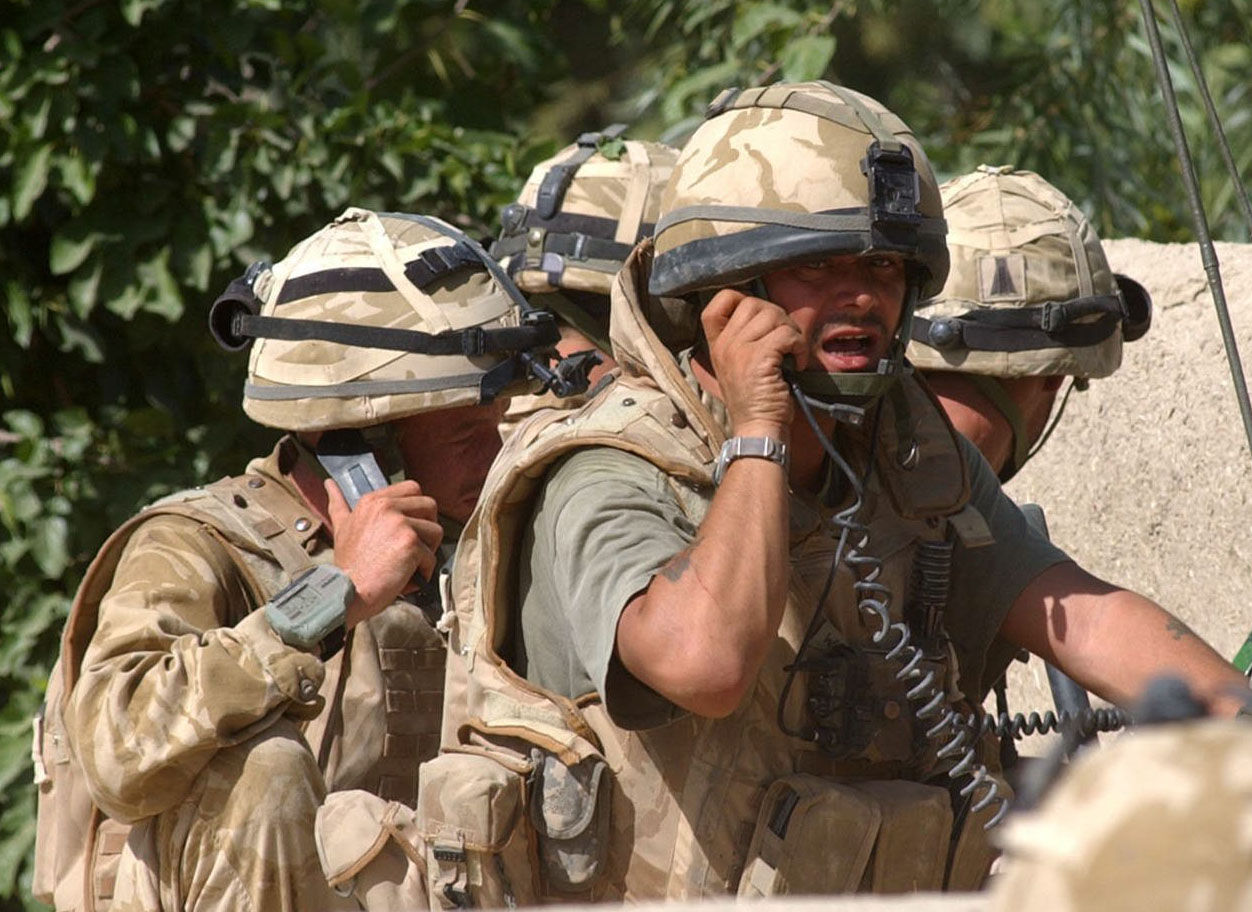
NATO’s Afghanistan mission will soon benefit from better ways of sharing critical information among coalition members, tested in a major ‘interoperability demonstration’ held in Lillehammer, Norway, 10-25 June.
The NATO Coalition Warrior Interoperability Demonstration (CWID), is an annual trial of new concepts and technologies that allow Allies to better work together. It is organized by NATO’s Allied Command Transformation.
This year it focused specifically on solutions for the Afghanistan mission and was attended by the Military Committee, NATO’s top advisory body on military issues.
“We have seen impressive progress in key areas such as our ability to track friendly forces, the compatibility of national systems, and rapid sharing of key intelligence information, such as aerial video imagery,” said Major General Koen Gijsbers, Assistant Chief of Staff, C4I, at Allied Command Transformation.
“This translates into a significant advantage for our soldiers and further reduces the risk of fratricide,” he added, “Importantly, we are deploying these capabilities very rapidly; concepts tested here will see action in six months to one year.”
“This is the first CWID to focus specifically on an ISAF-related scenario,” said Commander Sonya Cox, the event Director, “A key aim is to ensure that NATO is fully ready to absorb the increased US troop levels this summer.”
Another important focus was maritime situational awareness and potential counter-piracy capabilities, Commander Cox added.
The event, hosted by Norway in Lillehammer, tests the status of interoperability among current, future and experimental Command, Control, Communications, Computing and Intelligence systems (C4I). Fourteen countries actively participated (12 NATO members and two Partnership for Peace countries) from all operational environments, including air, maritime and land, for a total of 90 systems tested. During the 11-day test period, 5178 test interactions took place.
General Karl-Heinz Lather, the Chief of Staff of NATO’s top military operations headquarters, said the event was of great value to NATO’s commander and soldiers.
“We – the operational community – need to be take greater advantage, there is a lot creativity in the communication and information systems and engineering communities,” he said, “Interoperability is important – collectively, all the nations, we spend too much money, we could be more efficient if we focus our efforts.”
Key contributors included the NATO C3 Agency, which is NATO’s lead body for delivering new technologies to support NATO’s operations and commands, as well as Norway, which provided support for the past four years and will continue to do so for the coming year.
Some of the systems demonstrated, such as a protected Alliance business network over the Internet, a joint trial between NC3A, NAMSA and Norway, allow countries to benefit from significant cost-savings, by simplifying and streamlining logistics support.
The concepts tested are part of NATO’s Network-Enabled Capability campaign programme - sharing information for better situational awareness and faster decision making, which ultimately saves lives, resources and improves collaboration between states.