
Close
Back


From now on you can download videos from our website
If you would also like to subscribe to the newsletter and receive our latest updates, click on the button below.
Enter the email address you registered with and we will send you a code to reset your password.
The password must be at least 12 characters long, no spaces, include upper/lowercase letters, numbers and symbols.
Click the button to return to the page you were on and log in with your new password.
15 February 2023
1 MIN READ
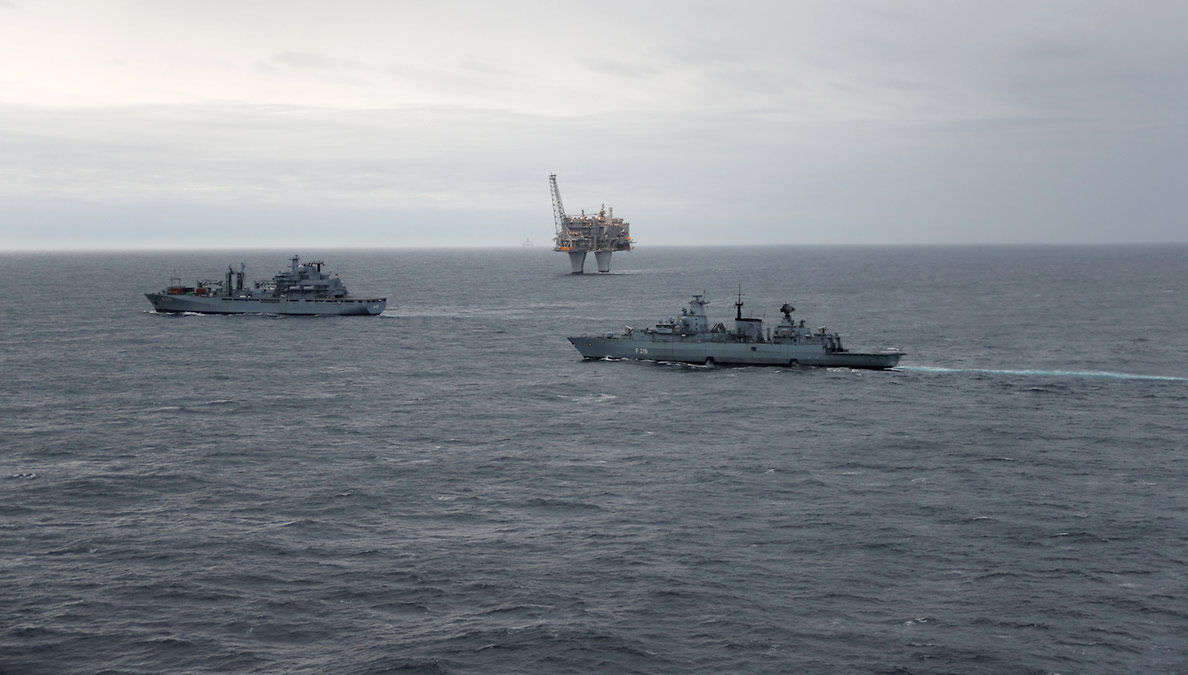
NATO Secretary General Jens Stoltenberg announced on Wednesday (15 February 2023) the creation of a Critical Undersea Infrastructure Coordination Cell at NATO Headquarters.
Led by Lieutenant General Hans-Werner Wiermann, a highly-respected former German military officer, “the centre will facilitate engagement with industry and bring key military and civilian stakeholders together”, Mr Stoltenberg said. He added that the centre will also share best practices, leverage innovate technologies and boost the security of Allied undersea infrastructure.
“I am delighted to take up the lead of the Critical Undersea Infrastructure Protection Cell”, Mr Wiermann said. “It will enable better coordination between key military and civilian stakeholders and with industry, on an issue that is vital to our security. I thank Secretary General Stoltenberg for his trust.”
Last September’s Nord Stream sabotage has highlighted the vulnerability of undersea energy pipelines and communication cables. In response, NATO Allies have significantly increased their military presence around key infrastructure, including with ships and patrol aircraft. In January, NATO and the EU also set up a joint task force to protect critical infrastructure. Mr. Wierman previously held the post of Director General of the NATO International Military Staff at NATO headquarters in Brussels.