
Close
Back


From now on you can download videos from our website
If you would also like to subscribe to the newsletter and receive our latest updates, click on the button below.
Enter the email address you registered with and we will send you a code to reset your password.
The password must be at least 12 characters long, no spaces, include upper/lowercase letters, numbers and symbols.
Click the button to return to the page you were on and log in with your new password.
The International Board of Auditors for NATO (IBAN) continues to strengthen its network of cooperation with Allied Supreme Audit Institutions through the signature of three new Memoranda of Understanding (MoU) with the Supreme Audit Institutions of Belgium, the Netherlands and Türkiye.
These agreements reflect IBAN’s commitment to fostering closer professional relationships with national audit institutions across the Alliance, promoting the exchange of knowledge and expertise while supporting the highest standards of external public auditing and good governance.
Strengthening cooperation through shared values
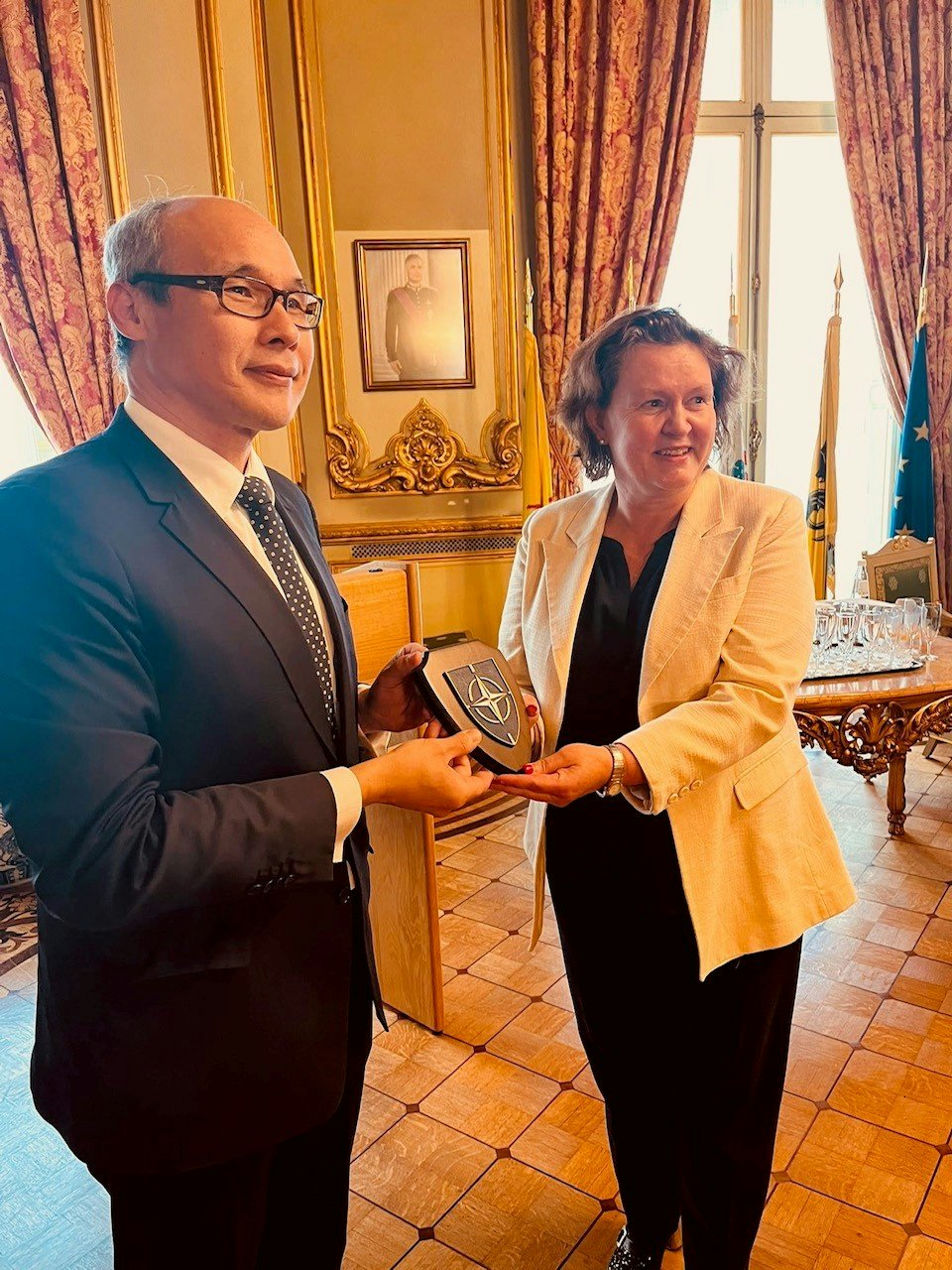 The first agreement was signed in Brussels with the Belgian Court of Audit during a ceremony hosted by First President Hilde François at the Palace of the Count of Flanders (10 June 2026). As the host nation of NATO Headquarters, Belgium occupies a unique place within the Alliance, making this partnership particularly significant.
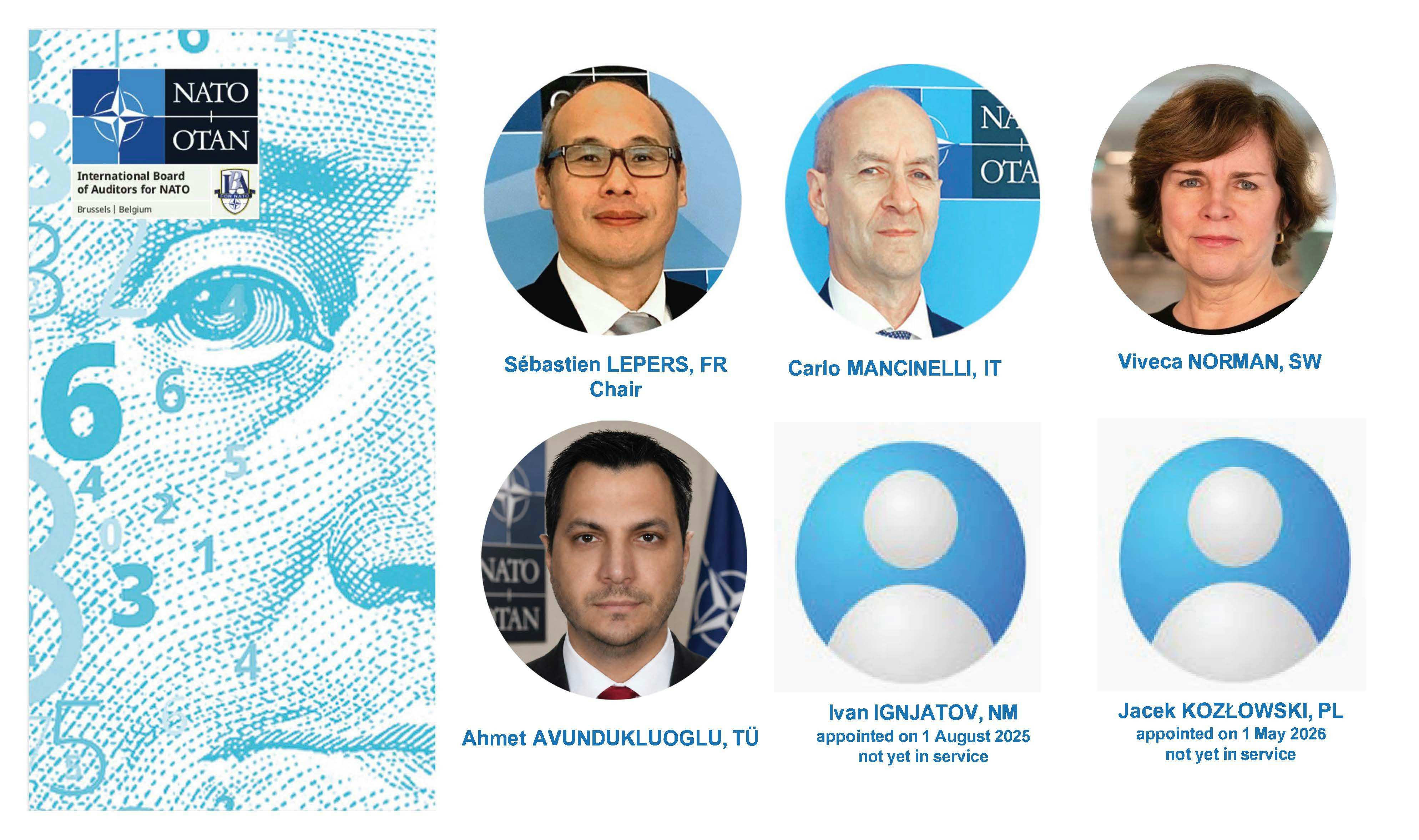
Who works for IBAN? IBAN is composed of six members, appointed by the NAC – the principal political decision-making body at NATO – for a four-year, non-renewable term. Board members are high-ranking or former high-ranking officials, either from national audit bodies or governments of NATO member countries with a thorough knowledge of, and experience in, the auditing and examination of government financial operations. They have independent status, are remunerated by their respective countries, and report only to the North Atlantic Council. The Chair of the Board is appointed by the NAC for a two-year term. The Board members are assisted by one principal auditor, two senior auditors, and 29 auditors and six administrative staff with NATO International Staff status. What are IBAN’s mission and responsibilities? IBAN is responsible for auditing the expenditure incurred by NATO. It provides assurance for expenditures being properly incurred by NATO of more than Euro 8 billion per year. IBAN conducts three types of audits: financial audits of NATO bodies and reporting entities, performance audits of NATO, and financial audits of the NATO Security Investment Programme (NSIP). Financial audits of NATO bodies and reporting entities determine if the financial statements fairly present their financial position, financial performance and cash flows, and whether the funds have been properly used for the settlement of authorised expenditure and are in compliance with the regulations in force. Performance audits of NATO are carried out to evaluate the economy, efficiency and effectiveness of NATO’s activities, operations and programmes. Financial audits of the NATO Security Investment Programme (NSIP) cover the audit of cost statements of expenditures incurred by NATO bodies and member countries implementing NSIP projects, e.g., fixed infrastructure, deployable strategic equipment, and communications and information systems. The audit results in an audit opinion on the compliance of the incurred expenditures with NSIP regulations in force. Annual Activities Reports
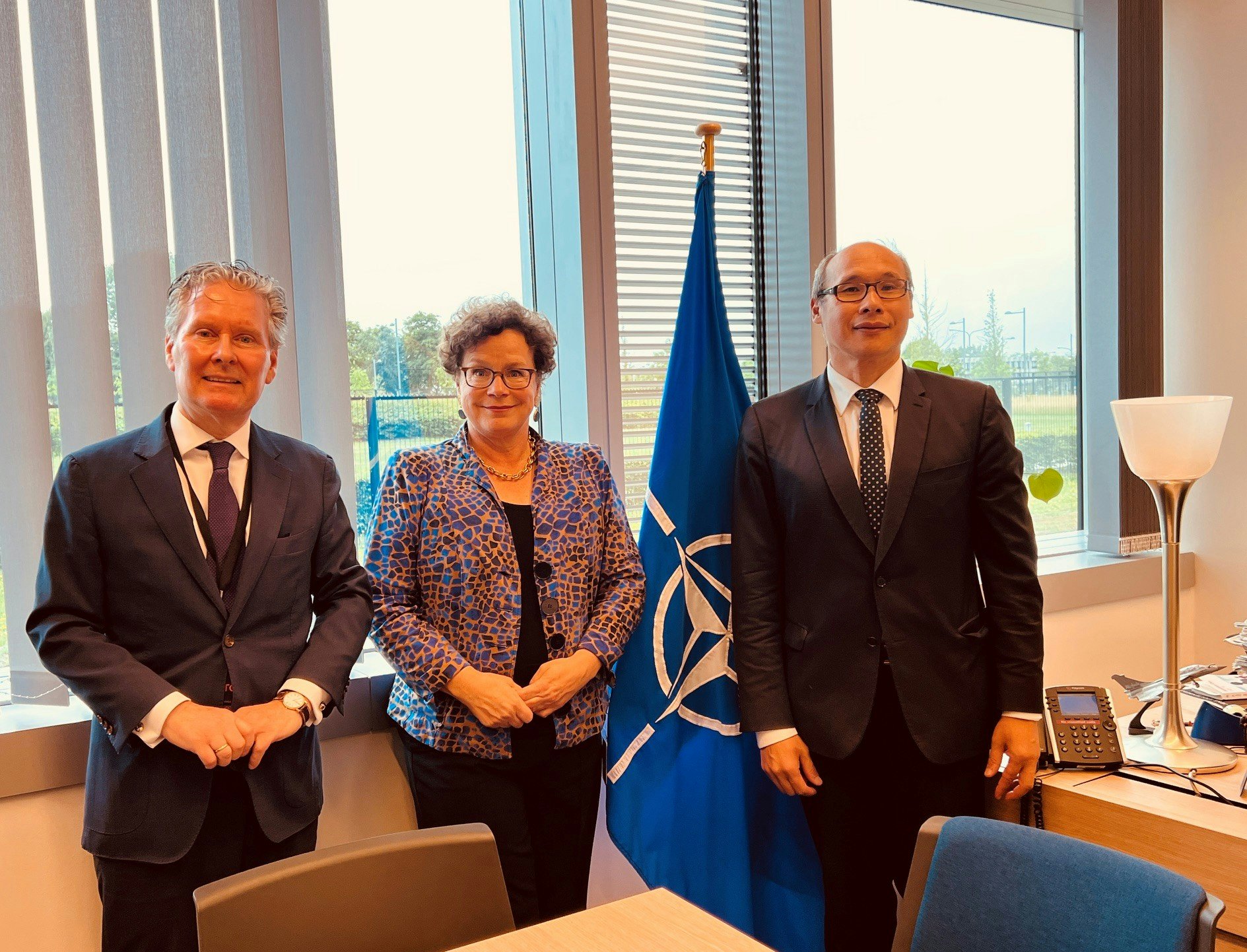
A second agreement was concluded in Brussels with the Netherlands Court of Audit (Algemene Rekenkamer) and signed together with Vice-President Barbara Joziasse (2 July 2026). The ceremony was attended by a Dutch delegation as well as the Deputy Permanent Representative of the Netherlands to NATO, Mr. Hans Sandee, underlining the strategic importance attached to this cooperation.
Who works for IBAN? IBAN is composed of six members, appointed by the NAC – the principal political decision-making body at NATO – for a four-year, non-renewable term. Board members are high-ranking or former high-ranking officials, either from national audit bodies or governments of NATO member countries with a thorough knowledge of, and experience in, the auditing and examination of government financial operations. They have independent status, are remunerated by their respective countries, and report only to the North Atlantic Council. The Chair of the Board is appointed by the NAC for a two-year term. The Board members are assisted by one principal auditor, two senior auditors, and 29 auditors and six administrative staff with NATO International Staff status. What are IBAN’s mission and responsibilities? IBAN is responsible for auditing the expenditure incurred by NATO. It provides assurance for expenditures being properly incurred by NATO of more than Euro 8 billion per year. IBAN conducts three types of audits: financial audits of NATO bodies and reporting entities, performance audits of NATO, and financial audits of the NATO Security Investment Programme (NSIP). Financial audits of NATO bodies and reporting entities determine if the financial statements fairly present their financial position, financial performance and cash flows, and whether the funds have been properly used for the settlement of authorised expenditure and are in compliance with the regulations in force. Performance audits of NATO are carried out to evaluate the economy, efficiency and effectiveness of NATO’s activities, operations and programmes. Financial audits of the NATO Security Investment Programme (NSIP) cover the audit of cost statements of expenditures incurred by NATO bodies and member countries implementing NSIP projects, e.g., fixed infrastructure, deployable strategic equipment, and communications and information systems. The audit results in an audit opinion on the compliance of the incurred expenditures with NSIP regulations in force. Annual Activities Reports
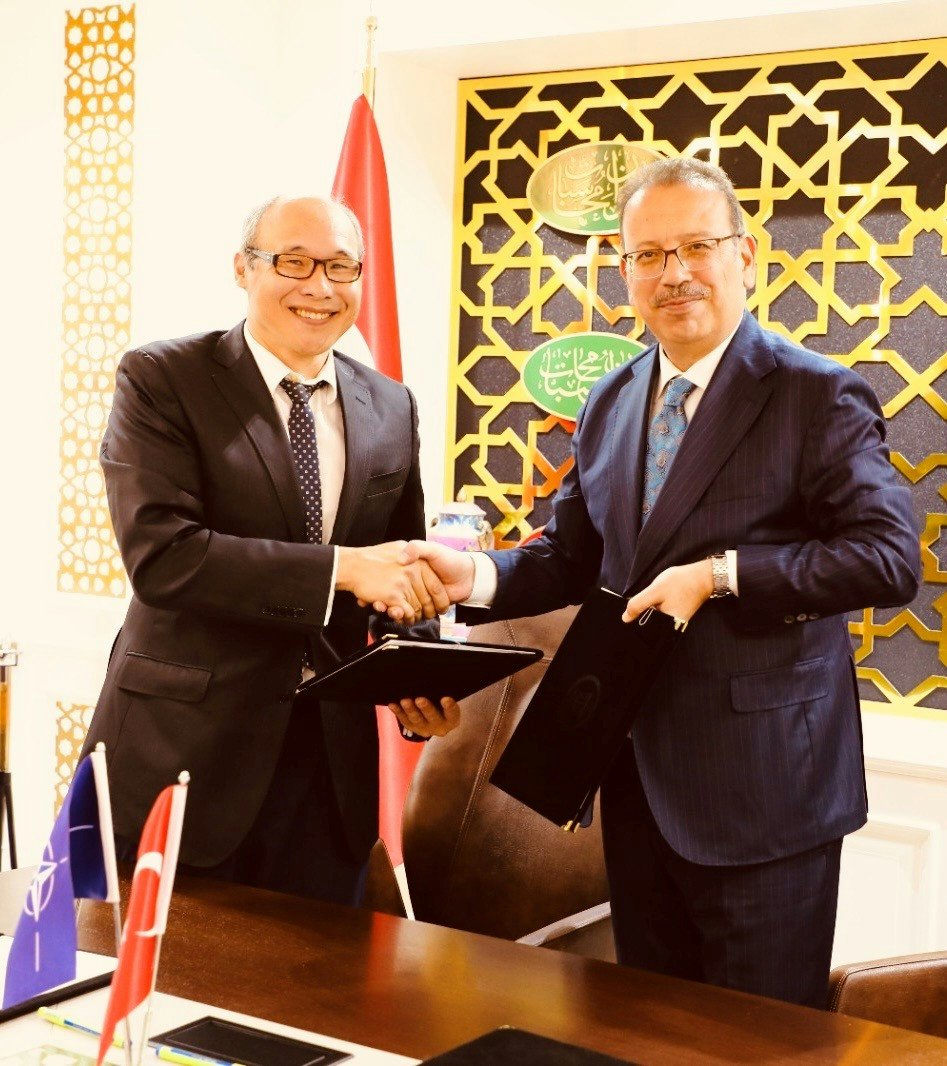 The third agreement was signed in Ankara with the Turkish Court of Accounts by its President, Metin Yener, during the week of the NATO Summit (9 July 2026). This partnership highlights the common commitment of both institutions to strengthening transparency, accountability and sound financial management at a time when Allies continue to invest unprecedented resources in defence and security.
Who works for IBAN? IBAN is composed of six members, appointed by the NAC – the principal political decision-making body at NATO – for a four-year, non-renewable term. Board members are high-ranking or former high-ranking officials, either from national audit bodies or governments of NATO member countries with a thorough knowledge of, and experience in, the auditing and examination of government financial operations. They have independent status, are remunerated by their respective countries, and report only to the North Atlantic Council. The Chair of the Board is appointed by the NAC for a two-year term. The Board members are assisted by one principal auditor, two senior auditors, and 29 auditors and six administrative staff with NATO International Staff status. What are IBAN’s mission and responsibilities? IBAN is responsible for auditing the expenditure incurred by NATO. It provides assurance for expenditures being properly incurred by NATO of more than Euro 8 billion per year. IBAN conducts three types of audits: financial audits of NATO bodies and reporting entities, performance audits of NATO, and financial audits of the NATO Security Investment Programme (NSIP). Financial audits of NATO bodies and reporting entities determine if the financial statements fairly present their financial position, financial performance and cash flows, and whether the funds have been properly used for the settlement of authorised expenditure and are in compliance with the regulations in force. Performance audits of NATO are carried out to evaluate the economy, efficiency and effectiveness of NATO’s activities, operations and programmes. Financial audits of the NATO Security Investment Programme (NSIP) cover the audit of cost statements of expenditures incurred by NATO bodies and member countries implementing NSIP projects, e.g., fixed infrastructure, deployable strategic equipment, and communications and information systems. The audit results in an audit opinion on the compliance of the incurred expenditures with NSIP regulations in force. Annual Activities Reports
Promoting excellence in public sector auditing
The three cooperation agreements establish a framework for enhanced collaboration in areas of mutual interest, including:
Through these partnerships, IBAN continues to contribute to the development of a strong community of independent public auditors committed to excellence, integrity and continuous improvement.
Building confidence through independent external audit
Independent external audit plays a fundamental role in ensuring that public resources are managed effectively, efficiently and transparently. In today’s increasingly complex security environment, strong public financial governance is an essential component of institutional resilience and public trust.
These new agreements reflect a shared conviction that cooperation among independent audit institutions strengthens accountability, supports better governance and ultimately contributes to reinforcing confidence within the Alliance.
Commenting on the signature of the MoUs, IBAN Chair Sébastien Lepers said:
“These cooperation agreements represent much more than institutional partnerships. They reflect our shared determination to strengthen professional dialogue, exchange expertise and promote the highest standards of independent public auditing. At a time when NATO Allies are making historic investments in collective defence and security, effective external audit contributes directly to transparency, accountability and confidence. Trust cannot simply be declared, it is built, assessed and audited.”
With these new partnerships, IBAN further expands its international network of cooperation with Allied Supreme Audit Institutions and reaffirms its commitment to promoting excellence in external public audit in support of sound governance and the effective stewardship of public resources.