
Close
Back


From now on you can download videos from our website
If you would also like to subscribe to the newsletter and receive our latest updates, click on the button below.
Enter the email address you registered with and we will send you a code to reset your password.
The password must be at least 12 characters long, no spaces, include upper/lowercase letters, numbers and symbols.
Click the button to return to the page you were on and log in with your new password.
02 May 2017
1 MIN READ
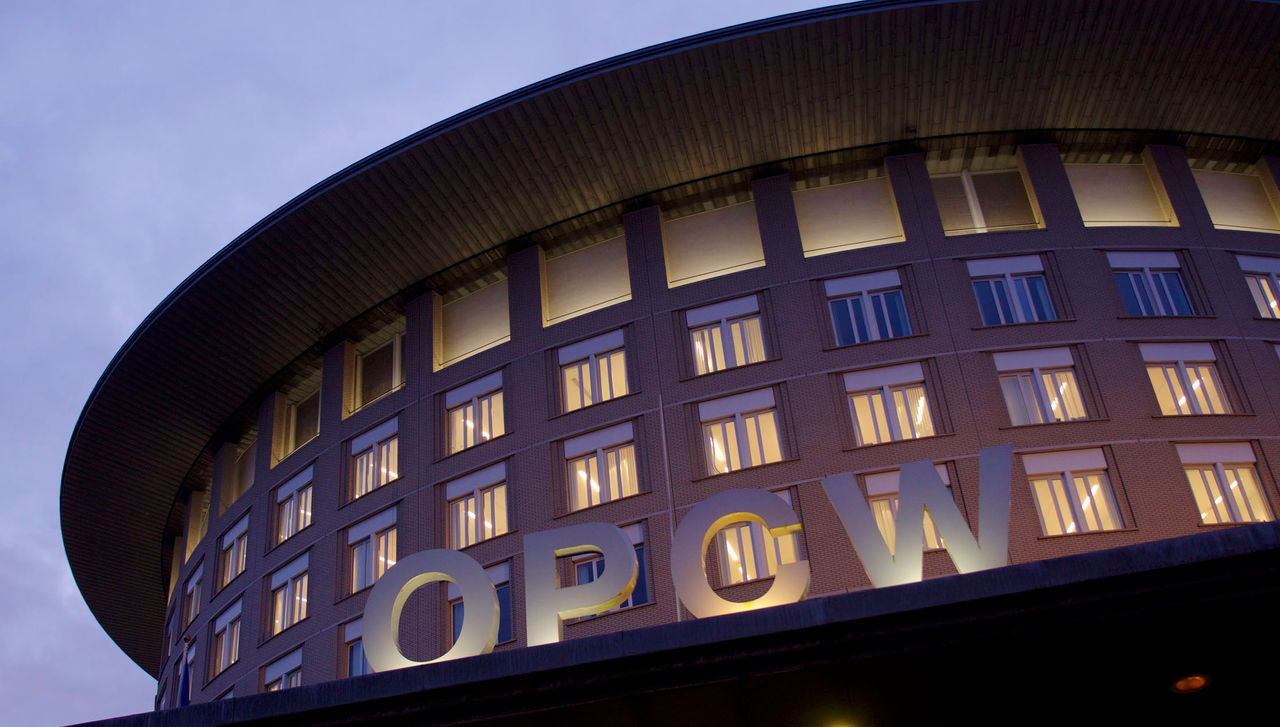
NATO welcomed the 20th anniversary of the Convention on Chemical Weapons on Saturday (29 April 2017), in a letter from Secretary General Jens Stoltenberg to Ambassador Ahmet Üzümcü, Director-General of the Organisation for the Prohibition of Chemical Weapons (OPCW). Mr Stoltenberg praised the OPCW’s work, noting that 94% of all declared chemical weapons worldwide have been eliminated under their monitoring over the past 20 years, with the remainder to be destroyed within six years.
While welcoming progress, Secretary General Stoltenberg also stressed that “the job is far from done”, pointing to recent attacks in Syria and Iraq as evidence that some states and non-state actors are still prepared to use chemical weapons “to inflict barbaric harm”.
Mr Stoltenberg reiterated Allies’ strong support for the global non-proliferation regime and thanked the OPCW for its “vital contribution to peace and stability” in uncertain times.