
Close
Back


From now on you can download videos from our website
If you would also like to subscribe to the newsletter and receive our latest updates, click on the button below.
Enter the email address you registered with and we will send you a code to reset your password.
The password must be at least 12 characters long, no spaces, include upper/lowercase letters, numbers and symbols.
Click the button to return to the page you were on and log in with your new password.
28 September 2009
1 MIN READ
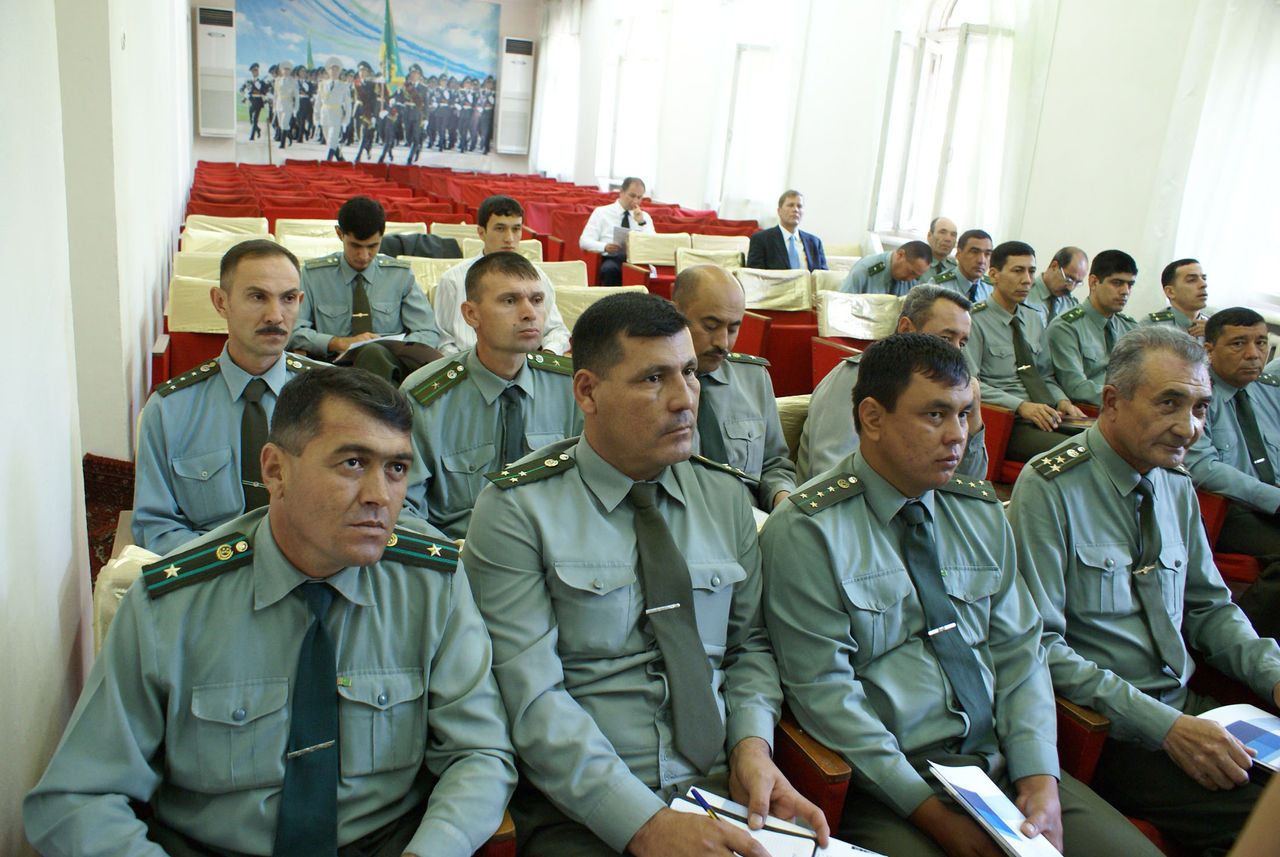
From 28 to 29 September, NATO held a first civil emergency planning seminar in Ashgabat, Turkmenistan. The event brought together participants from the Civil Defence Department of the Turkmen Ministry of Defence and national civil emergency planning experts.
Organized by NATO as a contribution to Turkmenistan's intention to establish a Ministry of Emergency Situations, the seminar addressed basic principles of disaster management and civil emergency planning, focusing both on theoretical and practical examples. It was also an opportunity for participants to exchange information and professional contacts. A follow-up event is under discussion.
Since 1994, NATO and Turkmenistan are developing practical cooperation in a number of areas through the country’s Individual Partnership Programme. Civil emergency planning and disaster-relief coordination are key areas of this cooperation.