
Close
Back


From now on you can download videos from our website
If you would also like to subscribe to the newsletter and receive our latest updates, click on the button below.
Enter the email address you registered with and we will send you a code to reset your password.
The password must be at least 12 characters long, no spaces, include upper/lowercase letters, numbers and symbols.
Click the button to return to the page you were on and log in with your new password.
07 December 2023
2 MIN READ
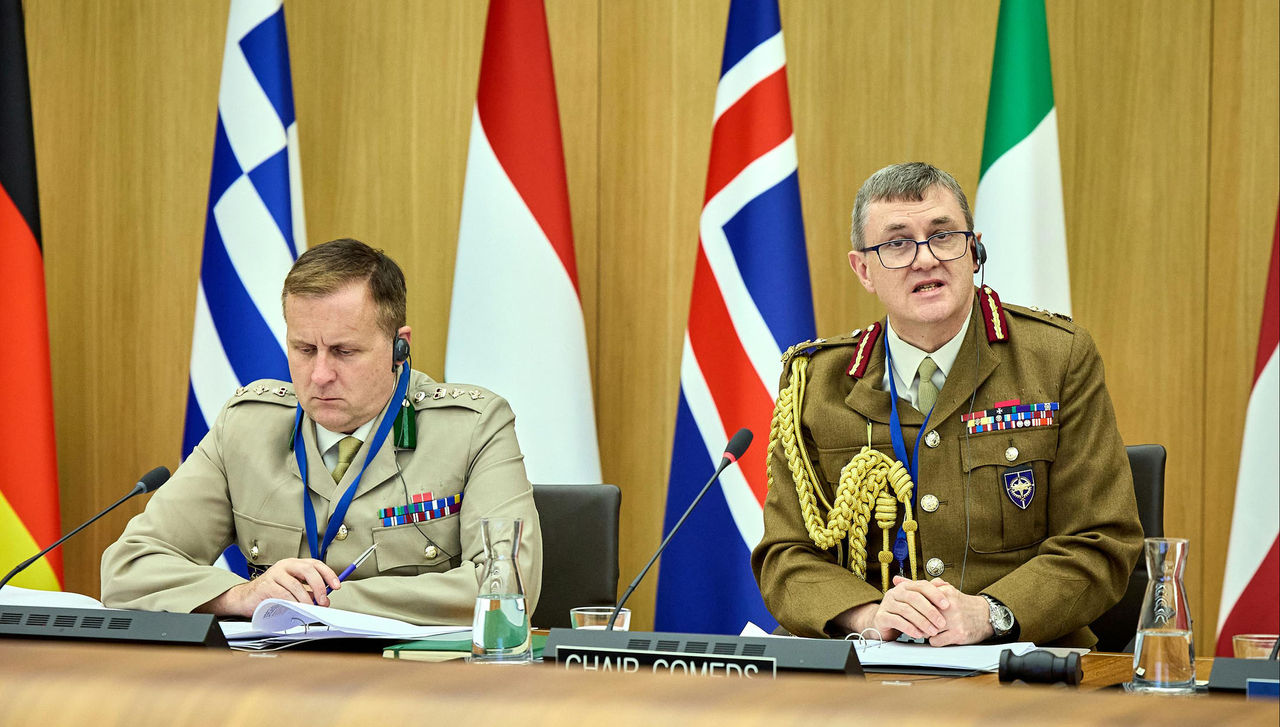
On 7th December 2023, the Committee of the Chiefs of Military Medical Services (COMEDS) met in Brussels, at the NATO Headquarters. The agenda focussed on the medical implementation of the DDA Family of Plans and the Enablement of SACEUR’s AOR as well as updates on the 2022 Resilience Assessment, the NATO Defence Planning Process (NDPP) and Exercise Steadfast Jupiter 23.
In his opening remarks, the Chair of COMEDS, Major General Tim Hodgetts, the United Kingdom’s Surgeon General, highlighted the urgency for a new collective approach to medical support. “Since the COVID-19 pandemic and now with the war in Ukraine, it has become evident that healthcare preparedness, and civil-military aspects of healthcare delivery during crisis, has lacked visibility at the strategic level - but we are now changing this. We are looking to the future of the military medical sector, the requirements to enable NATO’s collective defence and how we can create synergies to improve our responses to common challenges”, underscored Major General Hodgetts.
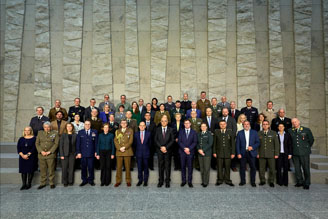
The Allied Surgeon Generals then looked to the executability of the DDA Family of Plans, the implications for the military medical and logistical sectors, and the insight gained during Exercise Steadfast Jupiter 23. “As Allies look to the executability of the new Regional Plans in terms of more people, capabilities, training and exercises, and command and control, the military medical sector needs to mirror this process to ensure that the medical requirements are also fulfilled in a timely and efficient manner. There is a recognised and inherent risk attached to the medical domain, especially in times of crises, but if NATO Allies work together to address shortfalls and develop common solutions, and then we can mitigate those risks accordingly”, highlighted the Chair of COMEDS.
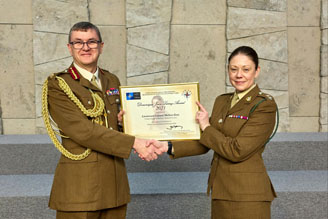
Under the last agenda item, the COMEDS Chair bestowed its highest accolade, the Dominique-Jean Larrey Award to Lieutenant Colonel Melissa Gray of the United Kingdom Defence Medical Services for her outstanding contribution to medical standardization and interoperability.
The afternoon was dedicated to the first joint meeting between the COMEDS and senior national officials from within the Joint Health Group (JHG). This new meeting format aims to establish new relationships between senior civil and military healthcare leaders as well as raise the collective awareness regarding the healthcare challenges the Alliance is facing.