
Close
Back


From now on you can download videos from our website
If you would also like to subscribe to the newsletter and receive our latest updates, click on the button below.
Enter the email address you registered with and we will send you a code to reset your password.
The password must be at least 12 characters long, no spaces, include upper/lowercase letters, numbers and symbols.
Click the button to return to the page you were on and log in with your new password.
16 November 2023
1 MIN READ
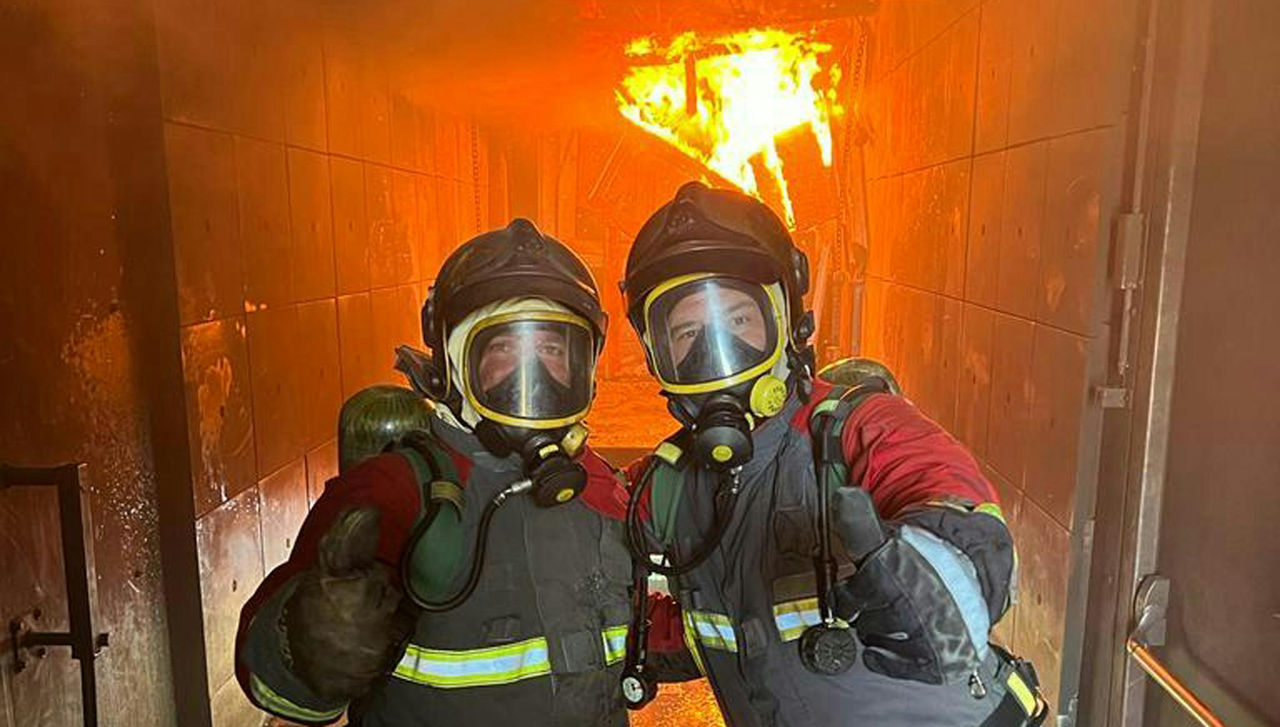
Around 200 Ukrainian medics have completed NATO training that will help Ukraine’s healthcare system to cope with the devastating impact of Russia’s war. The activity was organised jointly by Romania and NATO’s Euro-Atlantic Disaster Response Coordination Centre (EADRCC), and funded by six Allies. The participants are first responders from different Ukrainian agencies, the National Guard, the National Police, the State Emergency Service, the State Border Guard Service, as well as medical units of the Ministry of the Interior. They are involved in rescue operations and provide critical medical services to civilians during Russian missile and artillery strikes.
The training was launched following Ukraine’s request for NATO assistance to help its medical system, which is under strain from the conflict and the lingering effects of the COVID-19 pandemic. “This project is already helping Ukrainians receive better medical care, and will increase Ukraine’s resilience in the longer term. It’s a prime example of what can be achieved when Allies join forces and direct their solidarity and resources through NATO,” said Tom Goffus, NATO Assistant Secretary General for Operations. He praised Romania for its staunch support to this project, and expressed gratitude to the Allies whose donations made it possible.
The NATO EADRCC managed the programme’s implementation and the cost – 442,701 Euro – was covered by donations made by Czechia, Italy, the Netherlands, Slovakia, the United Kingdom and the United States. The Romanian Department of Emergency Situations offered the training classes and practical experience, while the country’s International Organisation of Migration also supported the project. Romania also hosted the activities in Oradea and Targu Mures.