
Close
Back


From now on you can download videos from our website
If you would also like to subscribe to the newsletter and receive our latest updates, click on the button below.
Enter the email address you registered with and we will send you a code to reset your password.
The password must be at least 12 characters long, no spaces, include upper/lowercase letters, numbers and symbols.
Click the button to return to the page you were on and log in with your new password.
04 October 2019
1 MIN READ
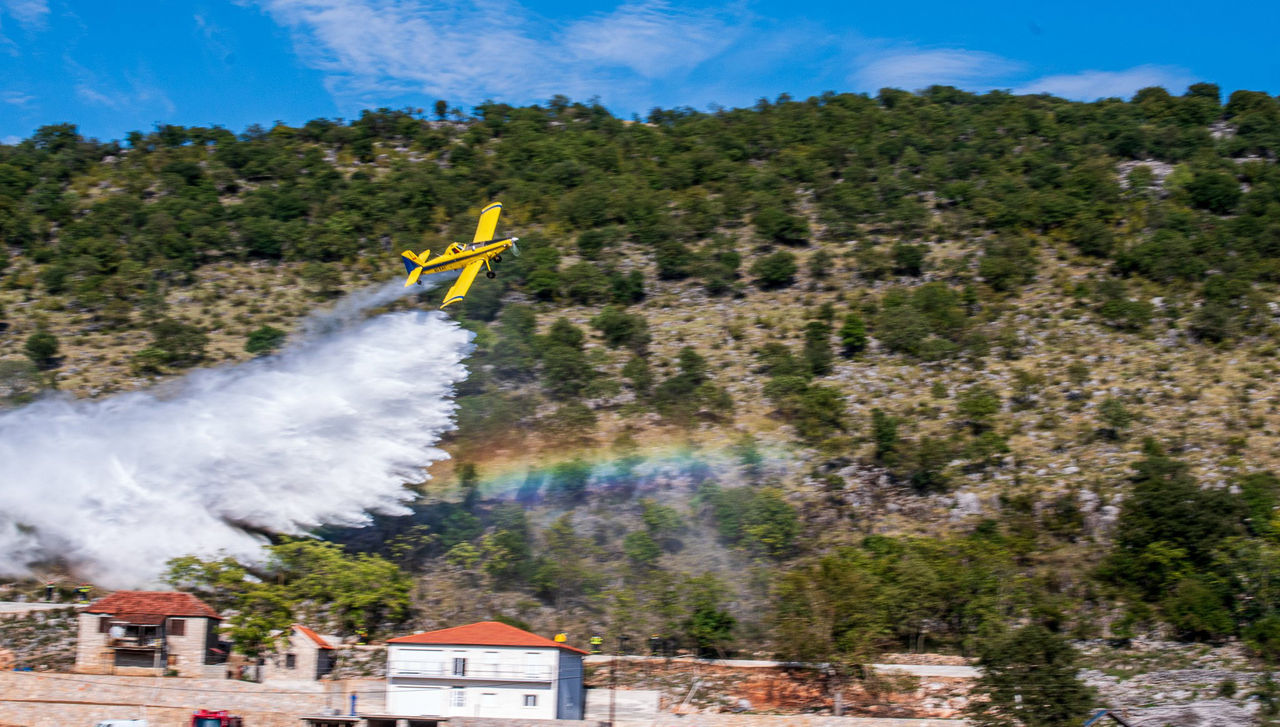
A new coordination system to handle civil emergencies was successfully tested during an exercise in Montenegro, which wrapped up with the departure of the teams on Friday (4 October 2019). The four-day event was part of a multi-year project under NATO's Science for Peace and Security Programme.
NATO’s “Next Generation Incident Command System” or NICS provides situational awareness for first responders. It is a web-based command and control software that facilitates collaboration across all levels of preparedness, planning, response, and recovery during natural disasters or other incidents.
In the training scenario, wildfires threatened the people of Montenegro. With national fire-fighters and first responders stretched thin, Montenegro requested international support. Bosnia and Herzegovina, North Macedonia, and Croatia offered assistance and all response teams coordinated their efforts using the new digital NICS system. Overall 250 first responders and experts were involved in the drill.
“The system will help decision makers to take better-informed decisions in emergency situations” said Mevludin Nuhodzic, the Interior Minister of Montenegro. He added that the main objective of the exercise is to test new technologies and to share operational data in real-time through NIC. The NICS platform – in development since 2016 - successfully improved information sharing, with responders being given instant access to real-time information across a range of devices.