
Close
Back


From now on you can download videos from our website
If you would also like to subscribe to the newsletter and receive our latest updates, click on the button below.
Enter the email address you registered with and we will send you a code to reset your password.
The password must be at least 12 characters long, no spaces, include upper/lowercase letters, numbers and symbols.
Click the button to return to the page you were on and log in with your new password.
26 September 2019
1 MIN READ
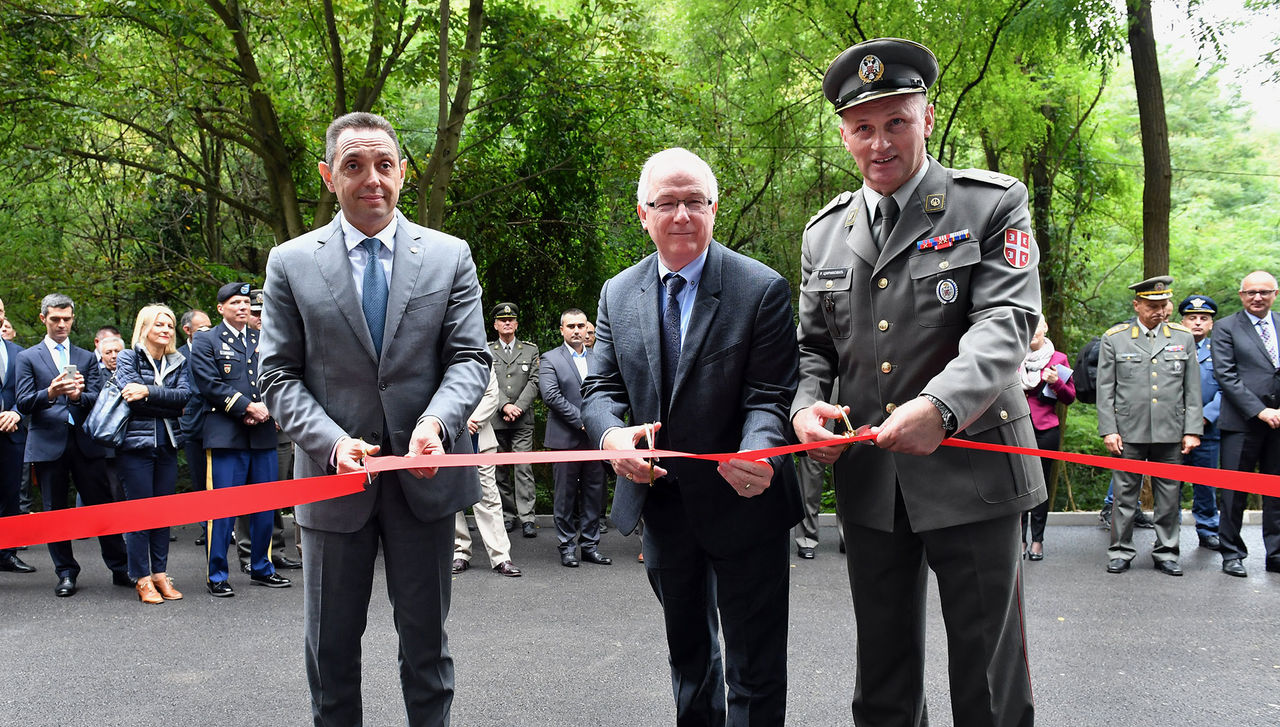
On Wednesday (25 September 2019), dozens of officials from Serbia, donor countries and NATO gathered in the Serbian town of Kragujevac to mark the reopening and expansion of the country’s main demilitarization facility. The refurbished facility will help speed up the destruction of around 1,300 tons of old bullets, mortars, rockets and missiles from Serbian stockpiles, making Serbia and the region safer.
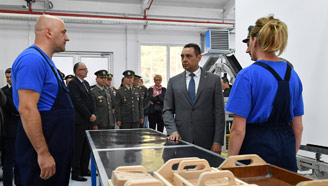
“Serbia is our neighbour and a valued partner”, said NATO Spokesperson Oana Lungescu. “NATO is committed to helping the countries of the Western Balkans, including Serbia, to safely store their weapon stockpiles and to destroy old and dangerous surplus ammunition. This is good for Serbia and good for the region.”
Serbia holds significant stocks of old and unstable munition that can pose risks for the population and the environment. For years, NATO has been helping the Serbian authorities to destroy old ammunition left over from the wars of the 1990s. To date, around 255 tons of hazardous material and obsolete ammunition have been destroyed with NATO’s help. Overall, the project aims for the safe disposal of some 1,300 tons of ammunition at a total cost of 4,150,000 EUR, paid for by NATO Allies.
NATO’s Support and Procurement Agency is responsible for the project which started in 2016.