
Close
Back


From now on you can download videos from our website
If you would also like to subscribe to the newsletter and receive our latest updates, click on the button below.
Enter the email address you registered with and we will send you a code to reset your password.
The password must be at least 12 characters long, no spaces, include upper/lowercase letters, numbers and symbols.
Click the button to return to the page you were on and log in with your new password.
17 September 2019
1 MIN READ
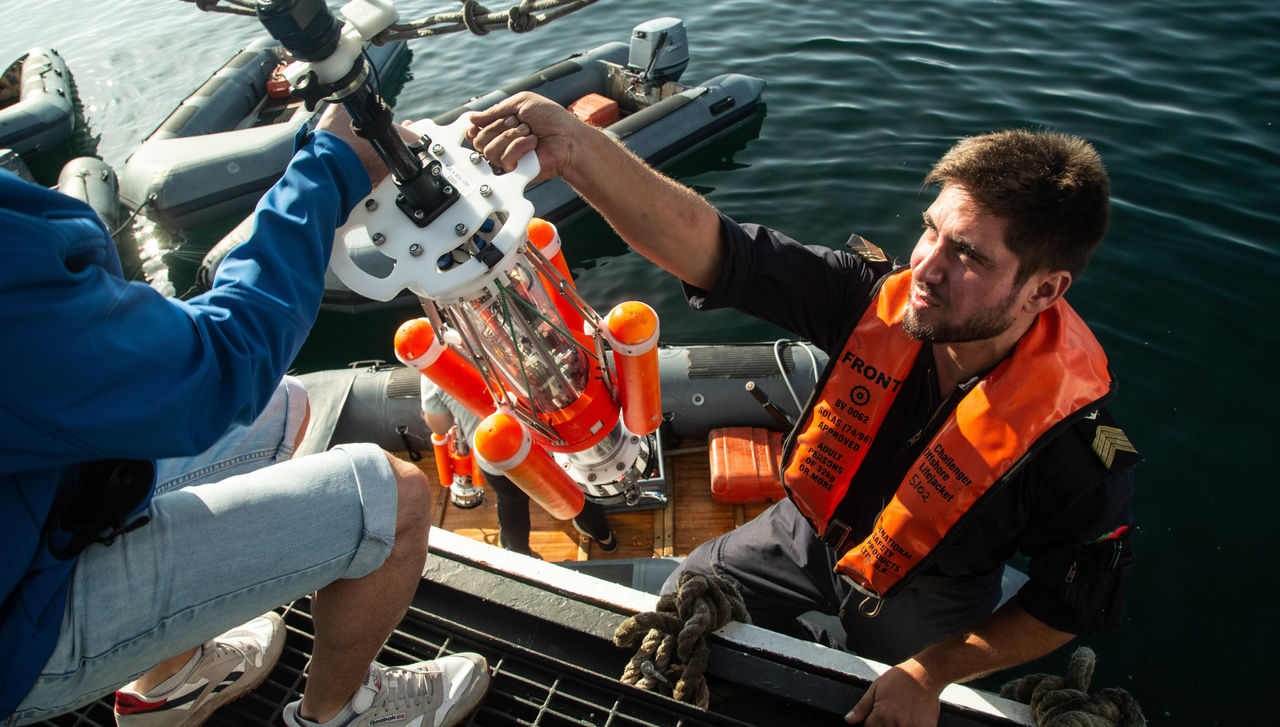
Dozens of unmanned underwater, surface and air vehicles from NATO countries are gathering in Portugal from 11 to 27 September 2019 to test new technological advances in unmanned maritime systems networks. The exercise is being held in the Sesimbra and Troia Peninsula area in the south of Lisbon.
Exercise REP (MUS) 19 is an opportunity to test the interoperability of maritime unmanned systems technologies and to test procedures and tactics for Maritime Unmanned Systems used by NATO countries.
Around 800 personnel from the Portuguese Navy, as well as from Belgium, Italy, Poland, Turkey, the United Kingdom and the United States, and the NATO Centre for Maritime Research and Experimentation are contributing to the exercise. The exercise is also being supported by academia and industry.
New maritime unmanned systems technologies can be a game-changer in countering multiple threats in the maritime domain. Using Maritime Unmanned Vehicles can help effectively counter new submarines armed with more powerful weapons. They can also prevent military personnel from moving into risky situations in countering threats like sea mines.
At the Brussels Summit in 2018 NATO leaders reaffirmed the strategic importance of the maritime domain and the importance to invest in new unmanned capabilities. By exercising and working together, Allies will make the most effective use of maritime capabilities development across Europe and North America.