
Close
Back


From now on you can download videos from our website
If you would also like to subscribe to the newsletter and receive our latest updates, click on the button below.
Enter the email address you registered with and we will send you a code to reset your password.
The password must be at least 12 characters long, no spaces, include upper/lowercase letters, numbers and symbols.
Click the button to return to the page you were on and log in with your new password.
21 September 2017
1 MIN READ
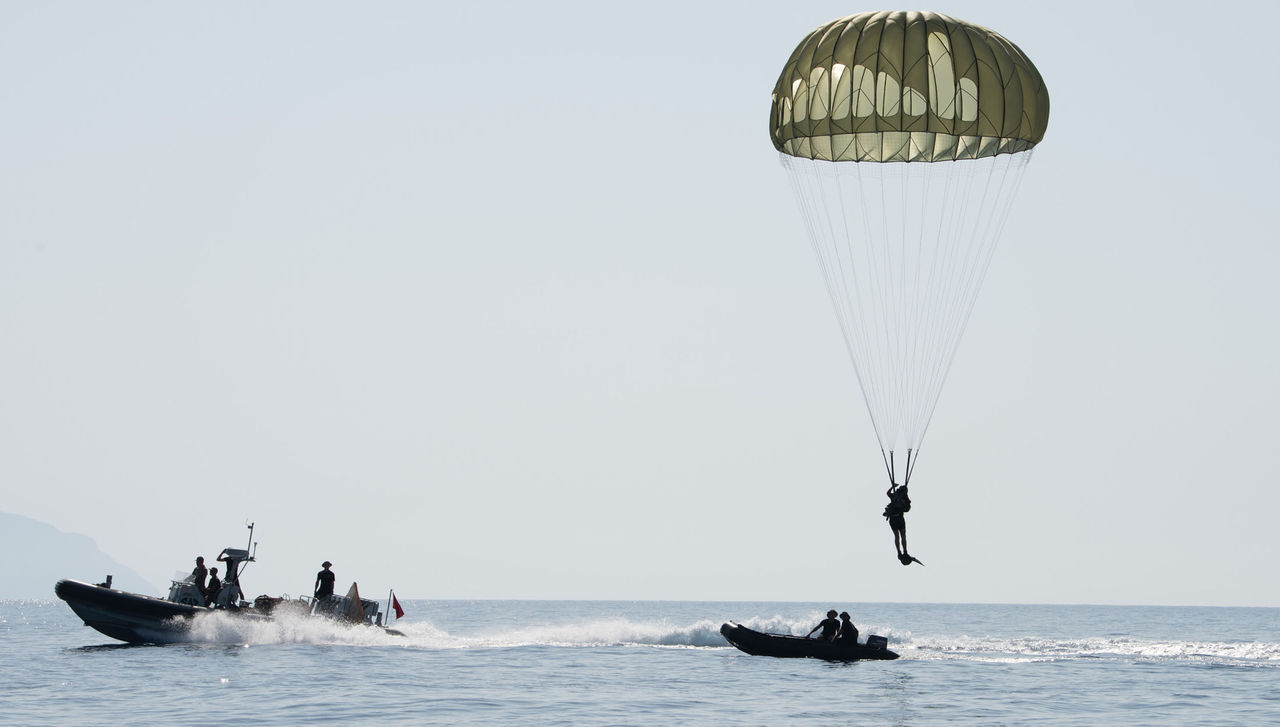
On Friday (22 September 2017), nine NATO Allies wrapped up a submarine search and rescue exercise, Dynamic Monarch 2017, off the coast of Marmaris in southwestern Turkey.
Canada, France, Italy, Norway, Poland, Spain, Turkey, the United Kingdom and the United States took part in the exercise, which focused on Submarine Escape and Rescue (SMER) operations.
The exercise demonstrated the importance of cooperation for NATO-led naval missions and involved a wide array of equipment and up to 1,000 military and civilian personnel. In total, three submarines, four submarine rescue ships, five surface ships, four aircraft, three medical teams, and one submarine parachute assistance group participated in Dynamic Monarch.
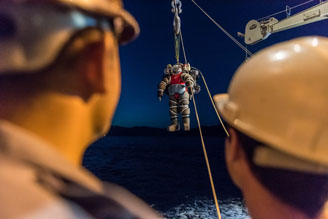
The training included a coordinated mass evacuation exercise (MASSEVEX) that featured a U.S. Submarine Rescue Chambers Flyaway System and a tri-nation NATO Submarine Rescue System designed to aid personnel in distressed submarines. The exercise also practised complex medical operations at sea. Several media representatives, as well as representatives from Bangladesh, Indonesia, Japan, Pakistan, South Korea, Poland, Spain and Sweden were invited to observe the exercise. Many participated in diving activities and interviewed crew members.
The Mediterranean Sea has often presented a challenging environment for rescue operations, and Turkey is an important partner for naval operations in the region.
Commander Gennaro Vitagliano, who participated with the Italian Navy during the exercise, reflected on the importance of maintaining operational integrity for rescue missions. “This is not about a war exercise. We are talking about saving a life,” he said. “For us, it’s important brotherhood; for us it’s important to be here and be ready to save a life, whatever country this life belongs to.”
"The world situation is busy and complicated; it's ever more important that members of the Alliance work closer together focused on operations and making sure we are trained for whatever might happen in the very dangerous scenario of rescuing sailors at sea" Vice Admiral Clive Johnstone, Commander Allied Maritime Command pointed out.