
Close
Back


From now on you can download videos from our website
If you would also like to subscribe to the newsletter and receive our latest updates, click on the button below.
Enter the email address you registered with and we will send you a code to reset your password.
The password must be at least 12 characters long, no spaces, include upper/lowercase letters, numbers and symbols.
Click the button to return to the page you were on and log in with your new password.
13 June 2017
1 MIN READ
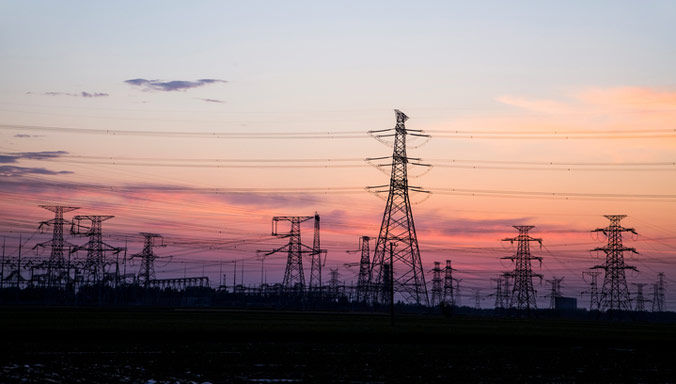
Secretary General Jens Stoltenberg and Deputy Secretary General Rose Gottemoeller welcomed three eminent energy experts to NATO Headquarters on Tuesday (13 June 2017) for discussions on global energy developments and their security implications.
Robin Dunnigan, Deputy Assistant Secretary for Energy Diplomacy at the US State Department; Tim Gould, Head of Division, World Energy Outlook in the International Energy Agency (IEA); and Erlendas Grigorovič, Deputy Head of Unit for International Relations in the European Commission’s Directorate General for Energy briefed NATO ambassadors on the security implications of the energy dimension of the Russia-Ukraine crisis, and energy challenges to NATO’s South.
The North Atlantic Council is briefed annually on energy developments, in order to keep NATO abreast of the global energy situation and to further deepen its ties with other organisations, notably the IEA and the European Union.