
Close
Back


From now on you can download videos from our website
If you would also like to subscribe to the newsletter and receive our latest updates, click on the button below.
Enter the email address you registered with and we will send you a code to reset your password.
The password must be at least 12 characters long, no spaces, include upper/lowercase letters, numbers and symbols.
Click the button to return to the page you were on and log in with your new password.
01 June 2017
1 MIN READ
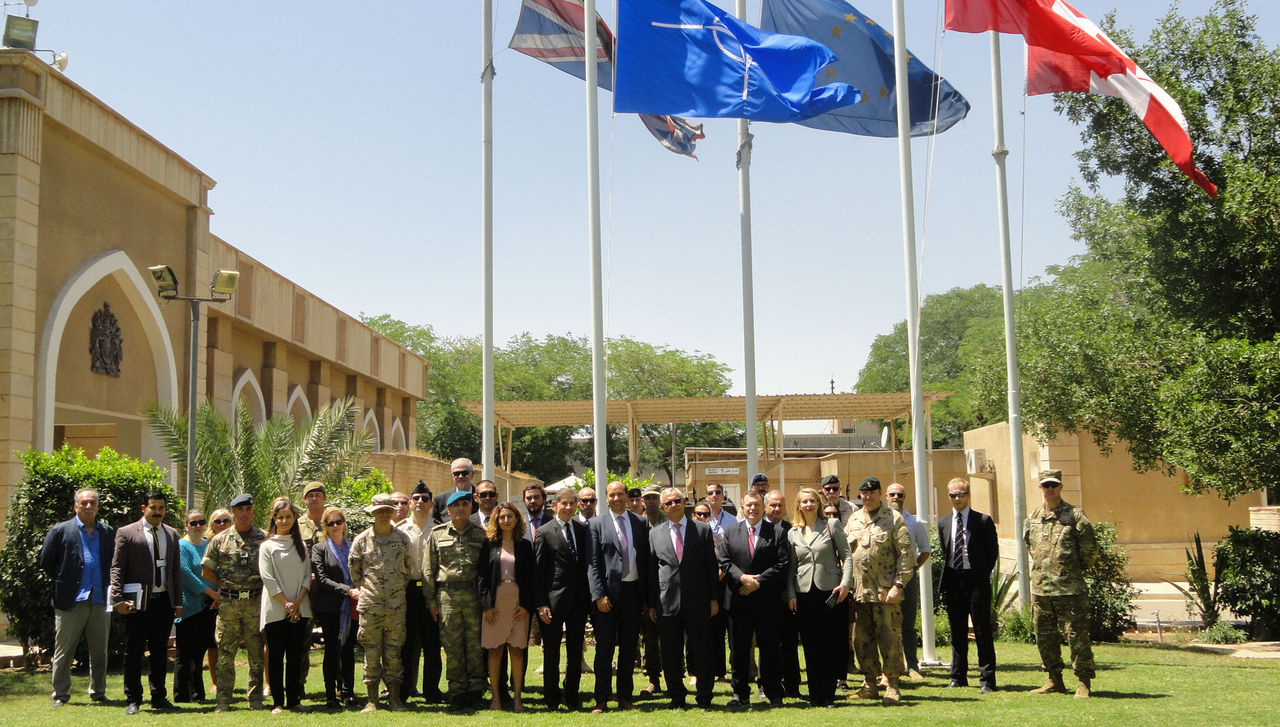
NATO marked an important step in its deepening relations with Baghdad on Thursday (1 June 2017), as Mr. Paul Smith of the United Kingdom assumed office as NATO Senior Civilian in Iraq. Mr. Smith will represent the NATO Secretary General and the Alliance at large, as NATO continues to help strengthen the Iraqi security institutions in their fight against terrorism. Mr. Smith succeeds Mr. Richard Froh of Canada, who served in the same capacity over the past months.
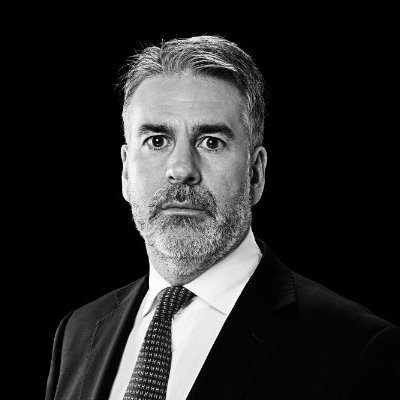
Mr. Smith will liaise with a range of interlocutors, including high-level Iraqi officials, representatives of the Global Coalition to Defeat ISIS, the diplomatic community, and members of international organizations, including the United Nations and the European Union. He will also be at the helm of the NATO Training and Capacity Building presence in Iraq (NTCB-I). This includes a Core Team of eight civilian and military personnel as well as mobile training teams – provided by NATO nations – who travel to Iraq, as required, to provide specific courses agreed with the Iraqi authorities.
NATO’s support to Iraq is aimed at increasing Iraq’s training capacity in the medium and long term. It includes courses on countering improvised explosive devices, explosive ordnance disposal and de-mining; civil-military planning in support of operations; civil emergency planning; training in military medicine; technical maintenance of Soviet-era military equipment; and reform of the Iraqi security institutions.
NATO-Iraq relations are underpinned by an Individual Partnership and Cooperation Programme signed in September 2012, which provides a framework for political dialogue and tailored cooperation in mutually agreed areas, and a Defence Capacity Building Package for Iraq, agreed in 2015.
Prior to taking office as NATO Senior Civilian Representative in Iraq, Mr. Smith served in senior roles at the NATO Communications and Information Agency; Supreme Headquarters Allied Powers Europe; and the UK Ministry of Defence.