
Close
Back


From now on you can download videos from our website
If you would also like to subscribe to the newsletter and receive our latest updates, click on the button below.
Enter the email address you registered with and we will send you a code to reset your password.
The password must be at least 12 characters long, no spaces, include upper/lowercase letters, numbers and symbols.
Click the button to return to the page you were on and log in with your new password.
31 March 2017
1 MIN READ
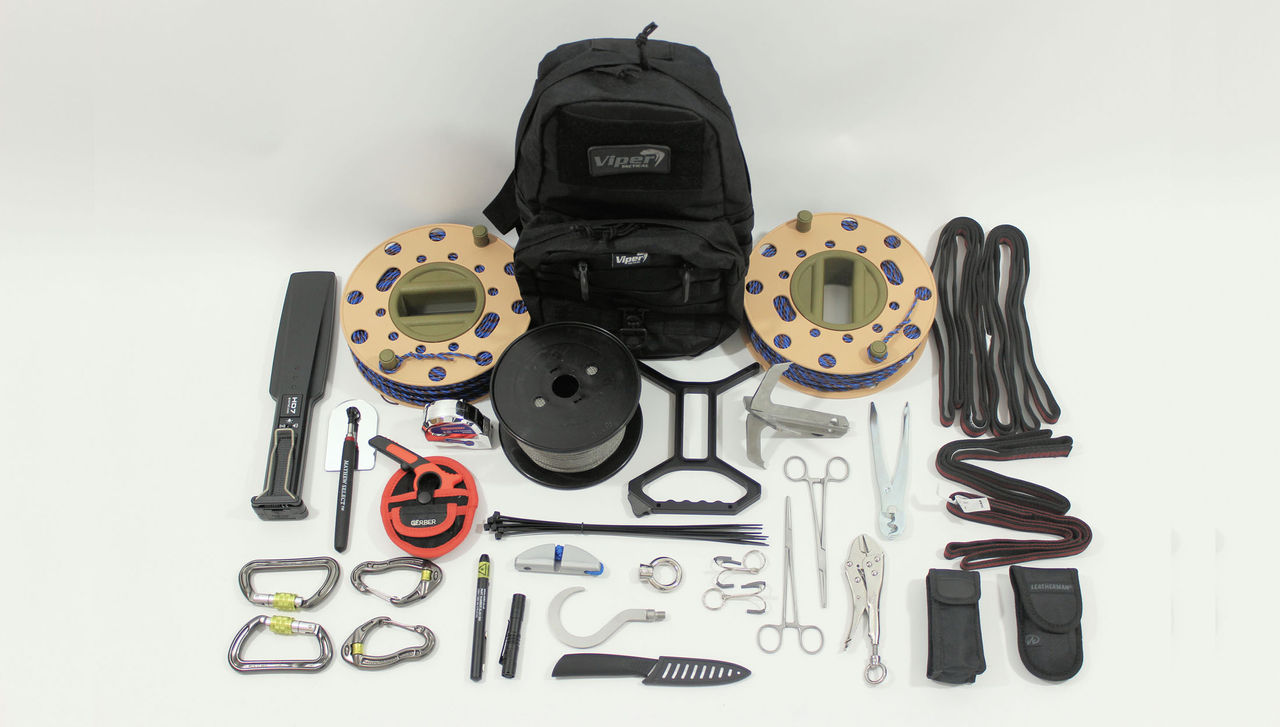
NATO delivered and demonstrated 160 sets of counter-IED equipment to Iraq’s Ministry of Interior on Sunday (26 March 2017). Financed by NATO’s Defence Capacity Building Trust Fund, the equipment is an important contribution to Iraq’s efforts to fight terrorism and protect civilians. Speaking at a meeting of NATO Foreign Ministers on Friday (31 March), Secretary General Jens Stoltenberg welcomed the delivery, saying “one of our best tools in the fight against terrorism is training local forces… this equipment will help save lives.”
At Iraq’s request, NATO agreed in July 2015 to provide defence capacity building support in a number of areas, including countering improvised explosive devices, explosive ordnance disposal and demining, security sector reform, military medicine and civil military planning.
In 2016, NATO trained over 350 Iraqi officers in Jordan, and at the Warsaw Summit in July 2016, Allies agreed to expand this training into Iraq itself. Since January 2017, NATO advisers have been working in the country, overseeing training activities and working with the Iraqi authorities to reform their security institutions. NATO’s presence in Iraq includes a core team and mobile training teams.