
Close
Back


From now on you can download videos from our website
If you would also like to subscribe to the newsletter and receive our latest updates, click on the button below.
Enter the email address you registered with and we will send you a code to reset your password.
The password must be at least 12 characters long, no spaces, include upper/lowercase letters, numbers and symbols.
Click the button to return to the page you were on and log in with your new password.
28 November 2016
1 MIN READ
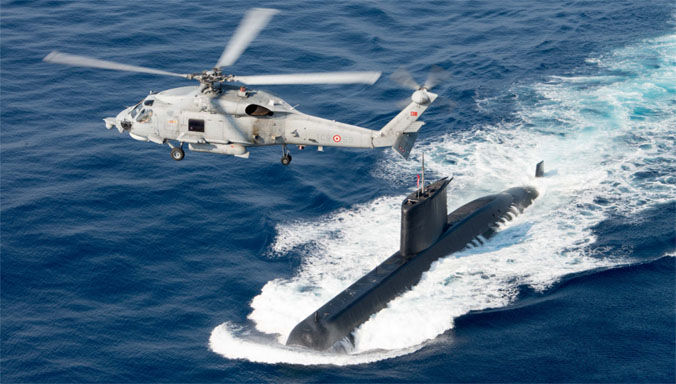
NATO navies began a countermine-warfare exercise in the Aegean Sea on Monday (28 November 2016), aimed at testing combat readiness and strengthening ties between Allies and partners.
Corvettes, patrol boats, mine hunters, fighter aircraft, and unmanned underwater vehicles are taking part in the event which will run until 4 December 2016. Dubbed “NUSRET” – after a famous Turkish mine layer – the annual exercise is organised by the Turkish navy. Participants will test finding and neutralizing mines, using divers, sonar as well as remotely operated vehicles. NATO has sent ships from Germany, Greece and Turkey to participate in the exercise. Other Allies are participating on a bilateral basis.
“NUSRET” follows exercise “MAVI BALINA” which ran from 22 – 28 November in the Eastern Mediterranean and tested international navies’ anti-submarine warfare skills.
Bordering both Iraq and Syria, Turkey is the NATO Ally most exposed to the turmoil in the Middle East. In response to security challenges in the region, NATO has boosted the defence of Turkey – including, since 2013, with air defence missile systems. In December 2015, NATO decided on a further package of measures for Turkey – paving the way for more patrols by AWACS surveillance planes and increased naval presence in the Eastern Mediterranean.
“Turkey faces serious security challenges from many directions,” NATO spokesperson Oana Lungescu said. “NATO’s participation in the NUSRET exercise demonstrates Allies’ strong commitment to Turkey’s security, and contributes to increased stability in the region.”