
Close
Back


From now on you can download videos from our website
If you would also like to subscribe to the newsletter and receive our latest updates, click on the button below.
Enter the email address you registered with and we will send you a code to reset your password.
The password must be at least 12 characters long, no spaces, include upper/lowercase letters, numbers and symbols.
Click the button to return to the page you were on and log in with your new password.
10 April 2014
3 MIN READ
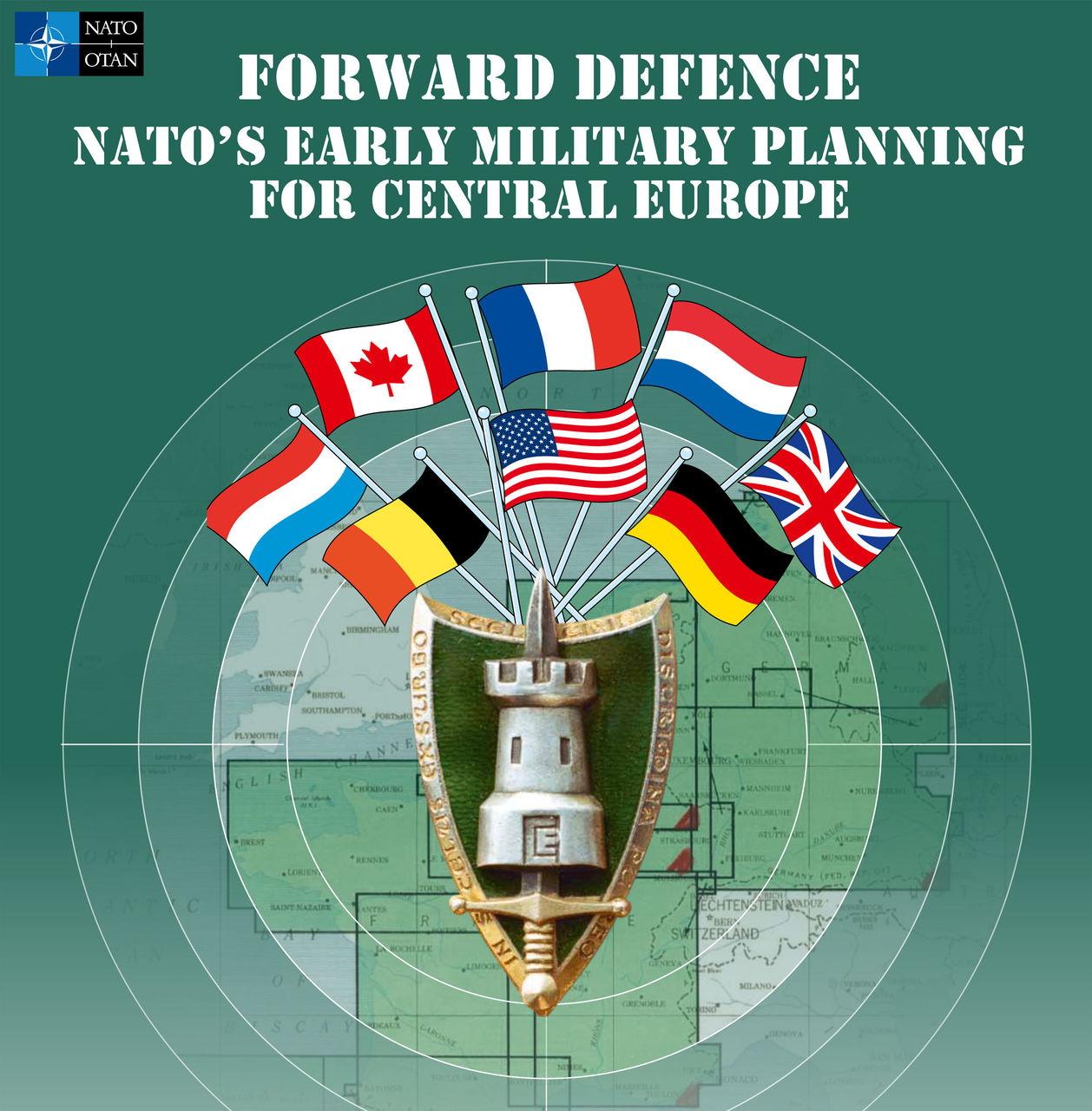
Following the pattern established in 2011, the NATO Archives Committee meeting of December 2013 ended with a seminar. Its subject was the "forward defence" strategy developed by NATO at the turning point of the 1950s and 60s to defend Central Europe.
The seminar was held at NATO HQ (Luns Theatre) and brought together a panel of military history experts invited specially for this occasion. It coincided with the publication of the first five volumes of SHAPE Histories (1952-1958) and the declassification and public disclosure of the first volumes of the AFCENT (Allied Forces Central Europe) Histories (1956-1959). These are documents of great historical value, shedding new light on NATO's initial defence plans for Central Europe.
Following an introduction by Mr Wayne Bush (Assistant Secretary General for Executive Management), discussions were led by Mr Diego Ruiz-Palmer (Head of ESA Unit) with contributions by three experts: Professor Jan Hoffenaar (Dutch Institute of Military History, The Hague), Dr Dieter Krüger (Germany Centre of Military History, Potsdam) and Dr Gregory Pedlow (SHAPE historian, Casteau).
With the delightful mix of expertise and humour that is typical of NATO Archives seminars, the four contributors took turns to present an aspect of the subject and then answered the many questions posed by those present (some of whom, and Dr Krüger, had served in NATO forces stationed in Germany during the Cold War).
Several ideas which emerged from the discussion made a particular impression.
In conclusion, Mr Ruiz-Palmer said that he hoped researchers would receive additional resources to work on their theories (for example, on the strategy of the Warsaw Pact in the event of open conflict). He called upon the various archive services concerned to declassify more documents on this subject and this period.