
Close
Back


From now on you can download videos from our website
If you would also like to subscribe to the newsletter and receive our latest updates, click on the button below.
Enter the email address you registered with and we will send you a code to reset your password.
The password must be at least 12 characters long, no spaces, include upper/lowercase letters, numbers and symbols.
Click the button to return to the page you were on and log in with your new password.
31 March 2014
1 MIN READ
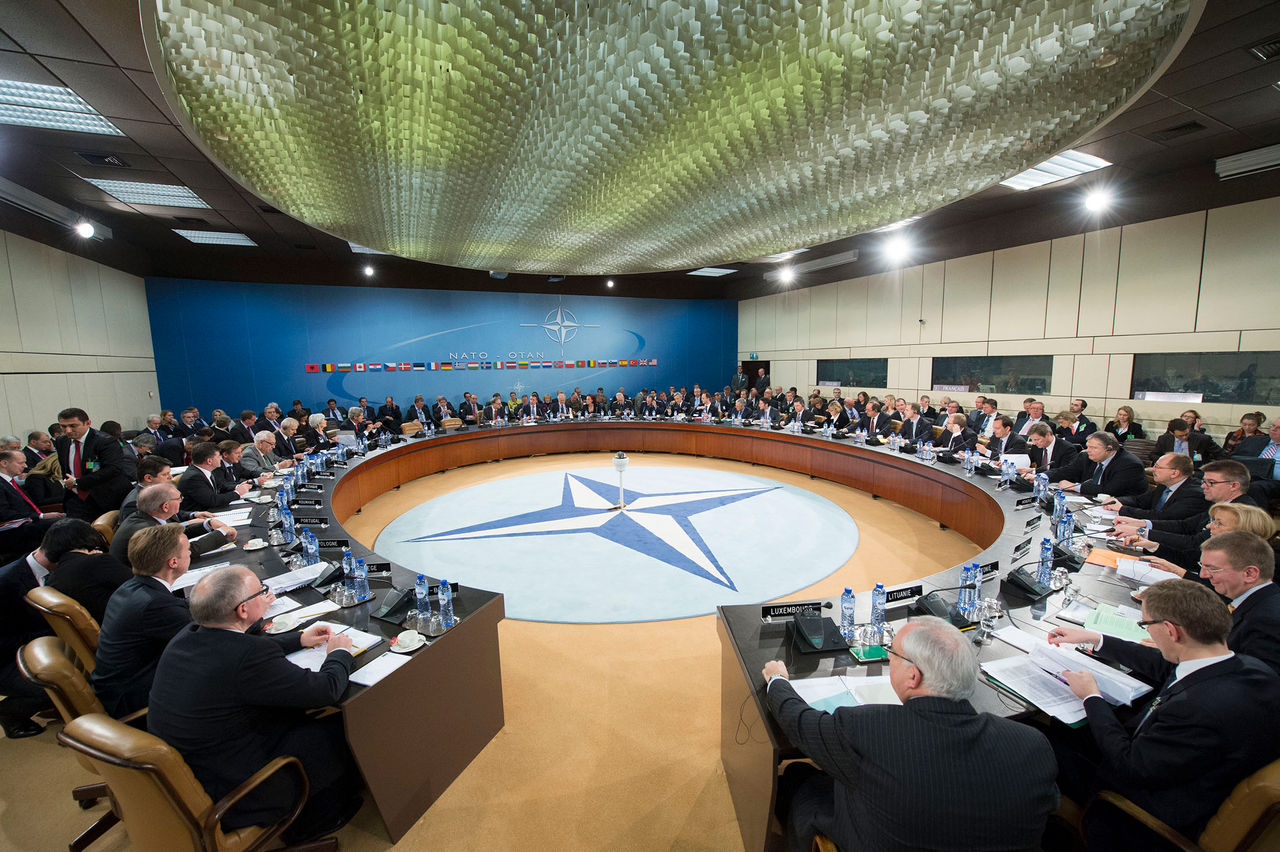
NATO's support to Ukraine and the Alliance's review of its relations with Russia in the wake of the Ukraine crisis will top the agenda at a two-day meeting of NATO foreign ministers which starts on Tuesday (1 April 2014). Foreign ministers will also discuss NATO’s relations with Georgia, the situation in Afghanistan, the Alliance’s cooperation with its Gulf partners, and the preparations for NATO’s Wales Summit in September.
The ministers’ first working session will focus on increasing support for Ukraine and on the consequences of Russia’s illegal military actions against Ukraine for NATO-Russia relations. They will also discuss ways to improve the way NATO works with partner countries, including through supporting those states which need to reinforce and reform their security sector.
NATO foreign ministers will then meet with their Ukrainian counterpart Andrii Deshchytsia in a session of the NATO-Ukraine Commission. This will be an opportunity to take decisions on how the Alliance can further support Ukraine with its defence reforms.
On Tuesday, NATO foreign ministers will also celebrate the anniversaries of past enlargements since 1999 and highlight the historic success of enlargement for security and stability in Europe.
Wednesday’s talks will begin with a meeting of the NATO-Georgia Commission with Georgian Foreign Minister Maia Panjikidze. A meeting with ministers from the four Gulf states that participate in the Istanbul Cooperation Initiative (ICI), Bahrain, Qatar, Kuwait and the United Arab Emirates, will mark 10 years of cooperation and look to further cooperation. The ministerial will wrap up with a meeting on Afghanistan with counterparts from partner countries which contribute to the ISAF mission. Ministers will address the upcoming Afghan elections and take stock of progress in the NATO-led ISAF operation, as well as planning for a future mission to train, advise and assist the Afghan security forces.