
Close
Back


From now on you can download videos from our website
If you would also like to subscribe to the newsletter and receive our latest updates, click on the button below.
Enter the email address you registered with and we will send you a code to reset your password.
The password must be at least 12 characters long, no spaces, include upper/lowercase letters, numbers and symbols.
Click the button to return to the page you were on and log in with your new password.
16 June 2010
1 MIN READ
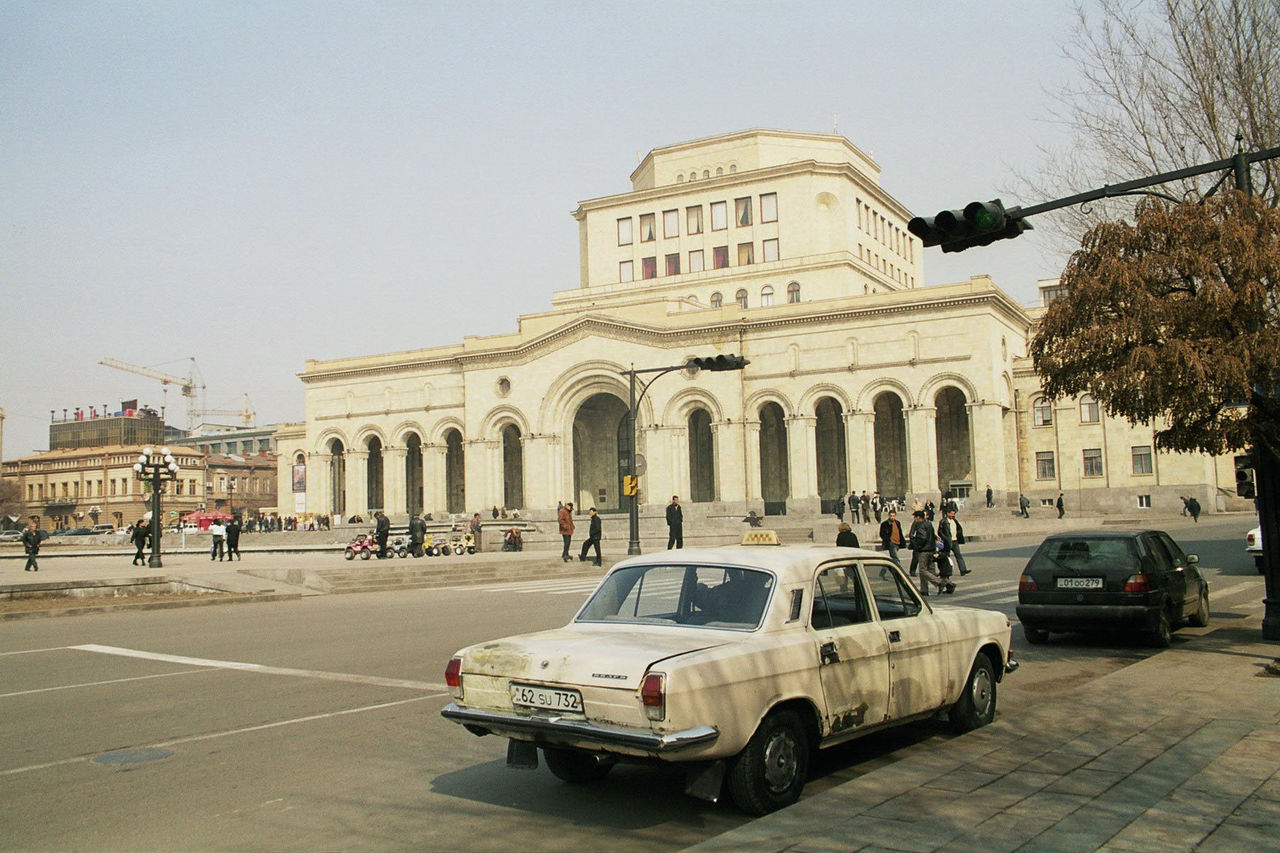
On 15 June, the Armenian capital Yerevan hosted a Euro-Atlantic Partnership Council (EAPC) seminar to offer a platform for frank and informal discussions on how to improve public perceptions of NATO operations and defence reform.
In his opening remarks, NATO Assistant Secretary General for Public Diplomacy Jean-François Bureau underlined the relevance of the seminar at a time when the Alliance is developing its new Strategic Concept to be endorsed by Heads of States and Governments at the NATO Summit in Portugal in November 2010. The new strategy document will address a number of key topics such as new security threats and challenges, partnerships, the Comprehensive Approach, NATO-Russia relations, missile defence, defence transformation and NATO reform.
These challenges present “unique communication opportunities” to show the Euro-Atlantic community’s readiness to meet future security challenges, he said. “Concrete results of these endeavours will be decisive for NATO’s public image and credibility.” It’s a two-way process, he added: “We cannot reach our goals without the support of our publics in both member and partner countries.”
Armenian Deputy Foreign Minister Arman Kirakosian spoke about NATO-Armenia cooperation, in particular his country’s contribution to Allied operations in Afghanistan and Kosovo. In addition, cooperation will also be intensified when his country will be hosting NATO’s annual disaster response exercise in September, adding that Armenia is conducting a total of 38 new programmes in cooperation with the Alliance.
The event’s roughly 100 participants represented a broad mix, including Ministers, Ambassadors, parliamentarians, military and civilian experts, representatives of civil society and journalists.
The EAPC is a multilateral forum for dialogue and consultation on political and security-related issues among Allies and Partner countries. Composed of 50 countries, it provides the overall political framework for NATO’s cooperation with Partner countries in the Euro-Atlantic area, and for the bilateral relationships developed between NATO and individual Partner countries under the Partnership for Peace programme.