
Close
Back


From now on you can download videos from our website
If you would also like to subscribe to the newsletter and receive our latest updates, click on the button below.
Enter the email address you registered with and we will send you a code to reset your password.
The password must be at least 12 characters long, no spaces, include upper/lowercase letters, numbers and symbols.
Click the button to return to the page you were on and log in with your new password.
29 April 2010
1 MIN READ
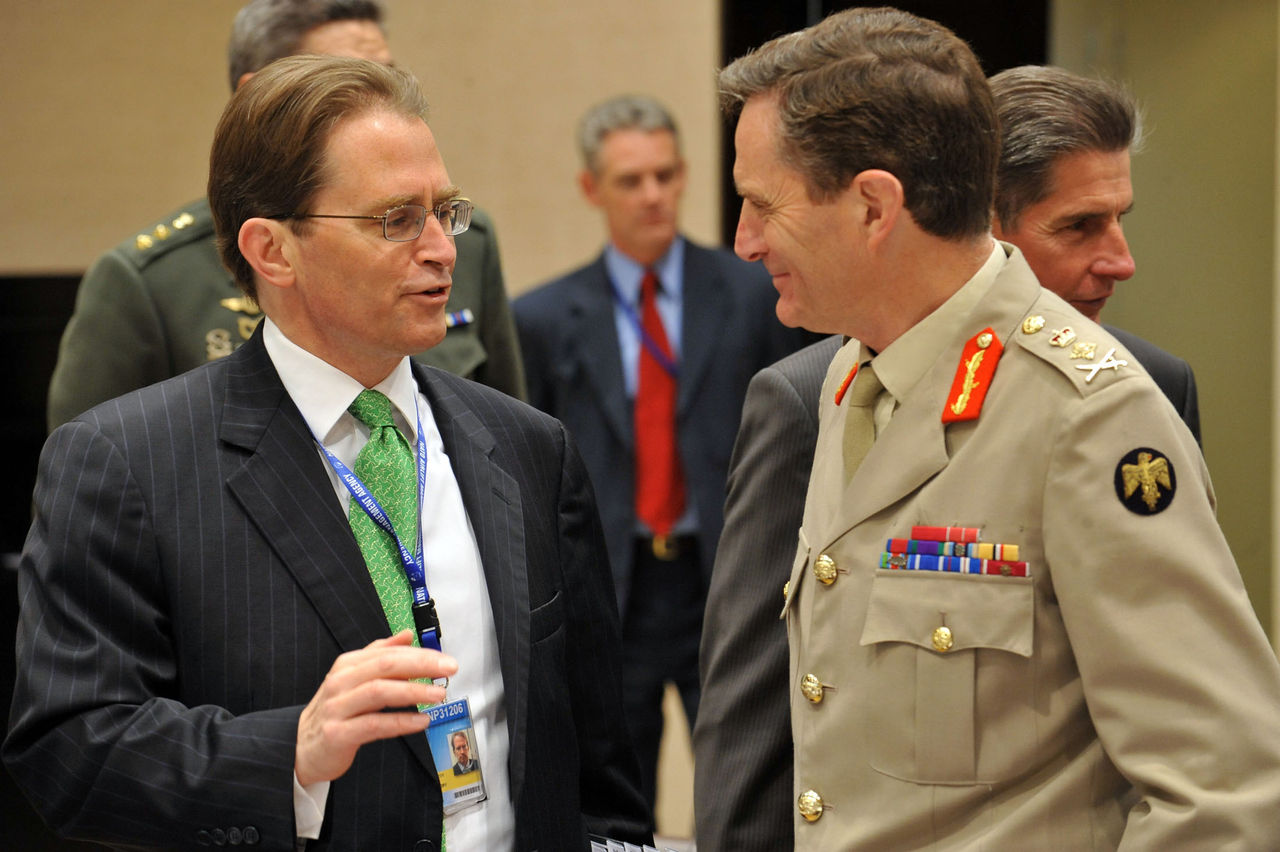
National Armaments Directors from the 28 NATO member countries met for the biannual Conference of National Armaments Directors (CNAD) at the Alliance’s Headquarters in Brussels on 29 April.
The CNAD focused on enhancing the development of key capabilities to address 21st century security threats. They looked at how to better support NATO operations and missions in Afghanistan, the Balkans, the Mediterranean Sea and off the Horn of Africa. The transformation of the CNAD structures and procedures in parallel with the development of the Alliance’s new Strategic Concept and ongoing reform efforts within NATO Headquarters was also an important topic.
The CNAD explored the possibilities of current and future multinational projects in support of the Alliance’s operations, with particular consideration given to the budgetary effects of the economic crisis.
Moreover, the Conference heard from various speakers on the CNAD’s support for NATO operations and missions in areas such as: special operations forces, the Defence Against Terrorism Programme of Work, Counter Improvised Explosive Devices and Transatlantic Defence Industrial Co-operation.
Lastly, Armaments Directors have considered reports detailing the progress made in missile defence and the development of an Alliance Ground Surveillance (AGS) capability. They have also taken into account a report on the Alliance’s long-term capability requirements.