
Close
Back


From now on you can download videos from our website
If you would also like to subscribe to the newsletter and receive our latest updates, click on the button below.
Enter the email address you registered with and we will send you a code to reset your password.
The password must be at least 12 characters long, no spaces, include upper/lowercase letters, numbers and symbols.
Click the button to return to the page you were on and log in with your new password.
27 April 2010
1 MIN READ
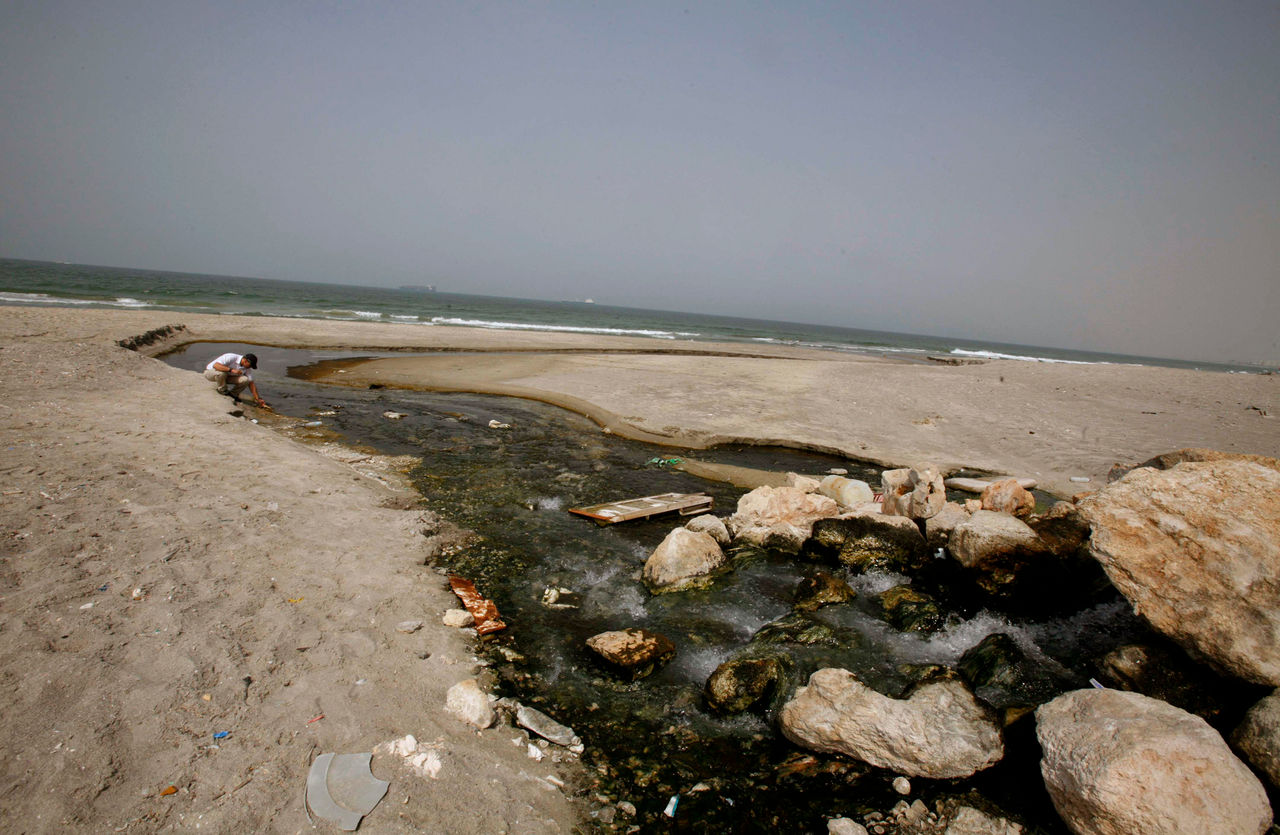
From 27 to 29 April 2010, an Advanced Research Workshop entitled “Environmental Security and Eco-Terrorism” took place in Moscow, Russia. Forty-three experts from NATO, Partner and Mediterranean Dialogue countries, analyzed the negative impact of human activity on the environment, from both non-malicious activities and what is being termed ‘eco-terrorism’.
From the growth of civilisation and the rapid consumption of natural resources, to the explosion of globalization, the participants examined the multifaceted challenges of safeguarding the environment. They concluded that the use of environment quality management systems for the integrated assessment and investigation of the environment is essential to reduce risks to the population.
A number of NATO partner countries that have witnessed serious environmental and ecological disasters (such as the 1986 Chernobyl disaster in Ukraine) brought their experiences to bear at the debate. It was recommended that for quick response and coordination efforts during such emergenices, accidents and terrorist attacks, it is essential to integrate with existing emergency response systems. The gathering also enabled the formation of international groups for future cooperation and information exchange.
The need to educate the public and raise awareness of hazards and environmental threats was presented as a key strategy in reducing identified risks. To compliment this, it was agreed that international experiments are carried out to check the possible risk of using GMOs.
Twenty key speakers from Russia, the United States, Canada, Belgium, Portugal, Israel, Egypt, Mongolia, the Czech Republic, Ukraine, Uzbekistan, Moldova and Turkey presented diverse topics, such as environmental security policies, destruction of the earth’s biosphere and desertification of the Mongolian territory. Severe water shortages that challenge irrigation and crop development in Mediterranean Dialogue countries was also discussed.
The workshop was funded through NATO’s Science for Peace and Security Programme. For more information, visit www.nato.int/science (see “Calendar” for organisers’ contact details).