
Close
Back


From now on you can download videos from our website
If you would also like to subscribe to the newsletter and receive our latest updates, click on the button below.
Enter the email address you registered with and we will send you a code to reset your password.
The password must be at least 12 characters long, no spaces, include upper/lowercase letters, numbers and symbols.
Click the button to return to the page you were on and log in with your new password.
23 April 2010
1 MIN READ
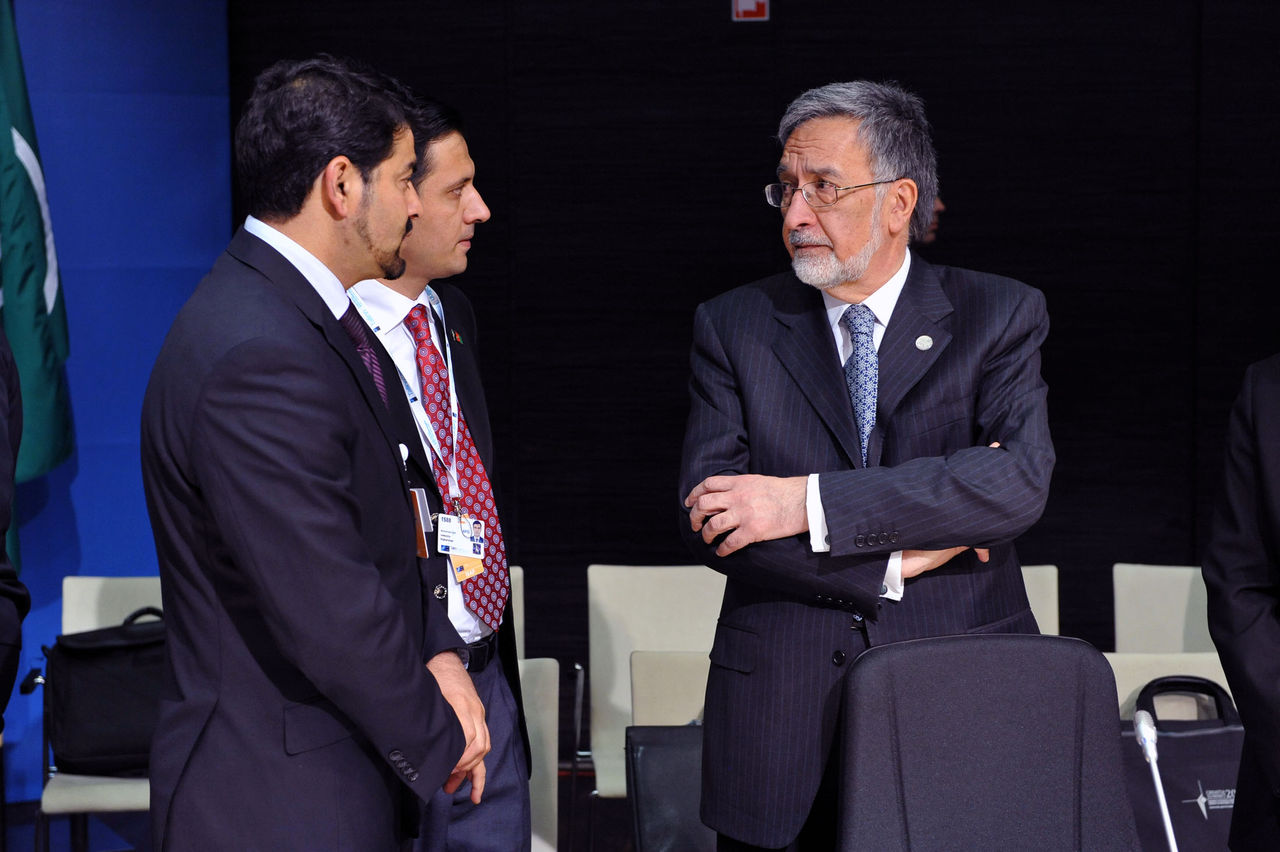
The NATO Foreign Ministers´ meeting in Tallinn on 22 and 23 April marked the launch of the NATO Afghan First Policy aimed at increasing NATO-ISAF´s support to Afghan local economy.
The policy, unprecedented to date in the history of NATO operations, aims at facilitating procurement of local goods and services through simplified bidding and contracting procedures in Afghanistan. This will allow qualified and certified Afghan firms to run as prime competitors for NATO-ISAF contracts.
Spending in Afghanistan rather than on Afghanistan is the core message of the NATO Afghan First Policy; it does not require increased funding but consists of a reorientation of NATO-ISAF common resources towards the Afghan private sector.
“This policy is a long-term investment in Afghanistan,” Ambassador Dirk Brengelmann, NATO Assistant Secretary General for Political Affairs, said. “Today´s launch allows us to start certifying those Afghan companies with which we will start doing business.”
While it will take time until the policy starts trickling down into the economy, sizeable effects are anticipated, ranging from job creation, increased vocational capacity-building, development of infrastructure, and assistance to Afghan banking and financial systems. “Our two-year study demonstrates that increasing local procurement by 10 per cent would generate a GDP growth of at least 5 per cent,” Ambassador Brengelmann said.