
Close
Back


From now on you can download videos from our website
If you would also like to subscribe to the newsletter and receive our latest updates, click on the button below.
Enter the email address you registered with and we will send you a code to reset your password.
The password must be at least 12 characters long, no spaces, include upper/lowercase letters, numbers and symbols.
Click the button to return to the page you were on and log in with your new password.
10 December 2009
1 MIN READ
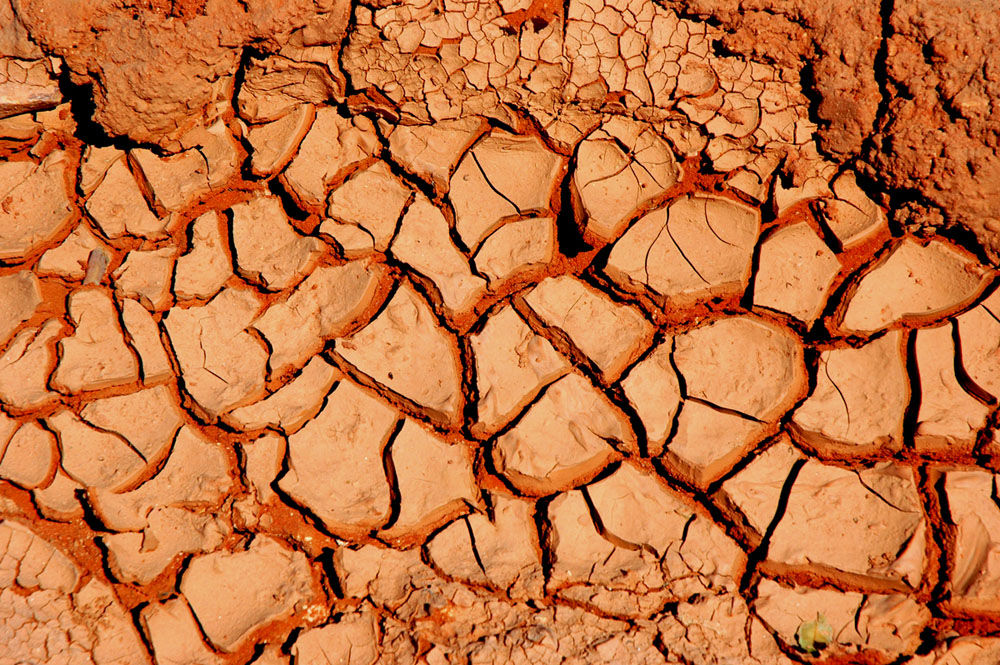
From 10 to 12 December 2009 scientists and experts from the United States and Croatia met in Vieques, Puerto Rico (USA) to review the environmental impact of military activities. At this SPS funded workshop, discussions focused on the rise in conflicts over natural resources such as oil, water and arable land, and climate change; perceived to be significant “threat multipliers” impacting national and international security.
Ranked as a growing priority by NATO and its partner countries, research in environmental security as it relates to warfare remains limited in depth and fragmented by discipline. During this three-day workshop, a diverse group of around 25 experts from the OSCE, the United Nations, Harvard University, the University of Puerto Rico, the Vieques Conservation and Historical Trust and other governmental bodies helped define and advance the field known as “warfare ecology”. Scientists and experts presented a comprehensive overview by examining case studies and discussing related policy implications. Research priorities were established with the aim of advancing this field of study, with particular emphasis on:
The workshop also led to the formation of working groups dedicated to specific areas, such as research support, publication, scientific interaction opportunities, education and training policy.
Funded by the NATO Science for Peace and Security (SPS) Programme, the event aimed at promoting collaboration, networking and capacity building among key academics, professionals and policy makers in NATO and its partner countries.
Proceedings are expected to be published by the NATO Science Series as well as by Springer in 2010 as Warfare Ecology: An Introduction, filling an important niche in the literature on security studies, ecology, war and peace.