
Close
Back


From now on you can download videos from our website
If you would also like to subscribe to the newsletter and receive our latest updates, click on the button below.
Enter the email address you registered with and we will send you a code to reset your password.
The password must be at least 12 characters long, no spaces, include upper/lowercase letters, numbers and symbols.
Click the button to return to the page you were on and log in with your new password.
02 December 2009
1 MIN READ
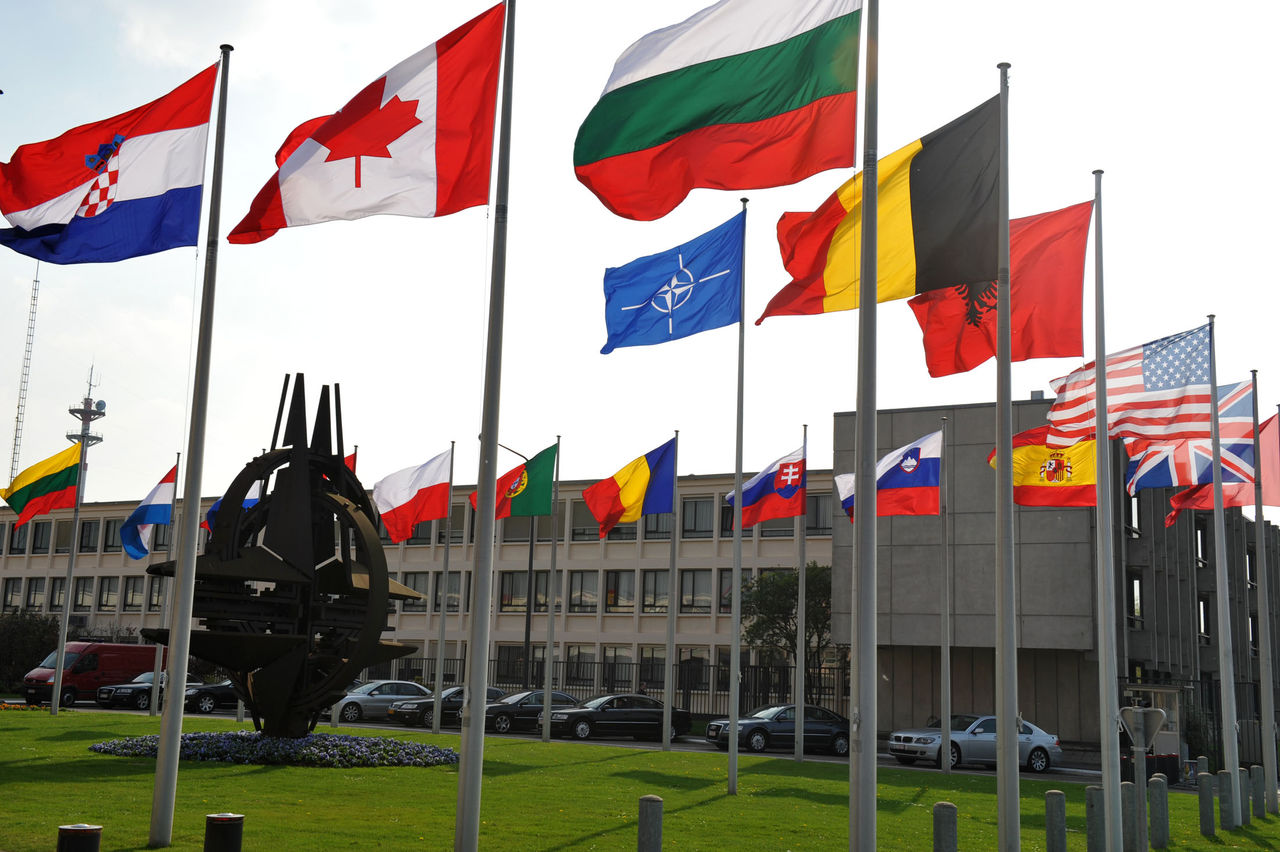
Allied Foreign Ministers will gather for official talks at NATO’s Headquarters in Brussels on Thursday and Friday, 3 and 4 December 2009, to discuss a broad range of issues on NATO’s agenda. Topics will include the situation in Afghanistan, NATO’s Open Door policy, relations with Russia, Ukraine and Georgia, missile defence, and NATO’s new Strategic Concept.
The meeting will start with a session of the NATO-Ukraine Commission followed by a session of the NATO-Georgia Commission to discuss both nations’ progress in implementing their Annual National Programmes, and questions of regional security.
The working dinner will focus on NATO’s Open Door policy in relation to Bosnia-Herzegovina’s and Montenegro’s desire to join NATO’s Membership Action Plan (MAP). NATO Secretary General Anders Fogh Rasmussen will give a press conference at the end of the dinner.
On Friday, the NATO Foreign Ministers will meet with their counterparts from the other ISAF troop-contributing nations, as well as Afghan Foreign Minister Rangin Dadfar Spanta, UNAMA Special Representative Ambassador Kai Eide, and Baroness Catherine Ashton, the EU High Representative for Foreign Affairs and Security Policy. They will discuss the new approach as proposed by the Commander of the International Security Assistance Force in Afghanistan, General Stanley McChrystal, and the resource implications, also in light of US President Barack Obama’s announcement on the increased American commitment.
This will be followed by a regular North Atlantic Council Foreign Ministers’ meeting at 28, which will focus primarily on issues such as the new Strategic Concept and missile defence.
The final part of the Ministerial meeting will be in the framework of the NATO-Russia Council, with Russian Foreign Minister Sergei Lavrov attending. The meeting will take stock of the NATO-Russia relationship and aim to focus on areas where dialogue and cooperation can be enhanced.