
Close
Back


From now on you can download videos from our website
If you would also like to subscribe to the newsletter and receive our latest updates, click on the button below.
Enter the email address you registered with and we will send you a code to reset your password.
The password must be at least 12 characters long, no spaces, include upper/lowercase letters, numbers and symbols.
Click the button to return to the page you were on and log in with your new password.
16 January 2007
1 MIN READ
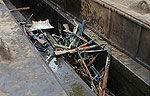
The beginning of the NATO-supported destruction of some 400,000 small arms and light weapons in Ukraine, 16 January, is another milestone in what is the world’s single largest demilitarization project.
The destruction of the small arms and light weapons, which is to be completed the end of 2008, is the first phase of a 12-year NATO/Partnership for Peace Trust Fund destruction project in Ukraine.
The whole project encompasses the destruction of 133,000 tons of munitions, 1,5 million small arms and light weapons and 1,000 Man-portable Air Defence Systems (MANPADS).
This is the single biggest demilitarization project in the world.
The destruction process is being carried out in a purpose-built production line within a military maintenance depot in Kamyanets-Podilskyy, which is situated some 450 kilometres southwest of Kiev.
The project will create more than 60 jobs for local people.
To mark the beginning of the process, a ceremony was held at the Kamyanets-Podilskyy depot, attended by representatives of the lead nation for the project, the United States, and contributors, including the EU, and the NATO Maintenance and Supply Agency NAMSA, which serves as the executing agent in the project.