
Close
Back


From now on you can download videos from our website
If you would also like to subscribe to the newsletter and receive our latest updates, click on the button below.
Enter the email address you registered with and we will send you a code to reset your password.
The password must be at least 12 characters long, no spaces, include upper/lowercase letters, numbers and symbols.
Click the button to return to the page you were on and log in with your new password.
12 May 2006
1 MIN READ
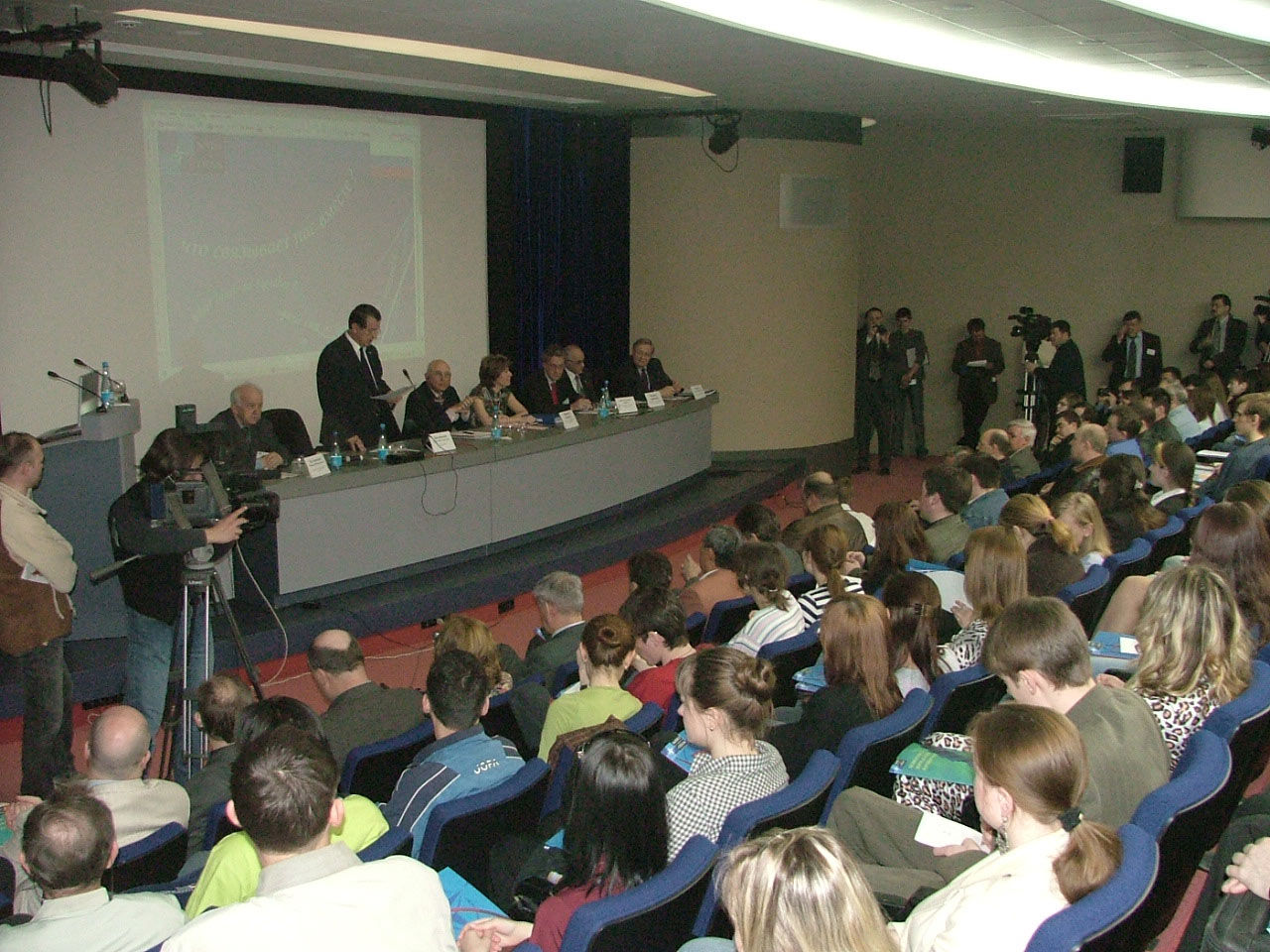
On 12 May, Novosibirsk, the informal capital of Siberia and home to one of the world’s largest concentration of scientists, played host to a day of discussions on NATO-Russia scientific cooperation.
The second stop on the NATO-Russia Rally, 11-26 May, focused on the theme of “NATO-Russia Council: from hard security to soft security issues”.
The sometimes heated debates seemed appropriate for a city that sees temperatures swing from -50 degrees centigrade in winter to 35 and more in the summer.
Over 250 students, as well as local authorities, NATO officials and representatives of the Consulates of Germany and Bulgaria, took part in the exchange, which looked at the state and prospects for NATO-Russia scientific cooperation through the Alliance’s Science for Peace Programme.
The event was hosted by the Novosibirsk State University, which is located in the massive Academic City .
On the margins of the conference, NATO officials also attended presentations of various scientific projects prepared by a number of institutes, some of them supported by the Science for Peace Programme.
This was the second of a series of major public events that will be held in nine cities across the Russian Federation.
The aim of the Rally is to give the Russian public a chance to hear more about, and to debate, cooperation between the Alliance and Russia in the framework of the NATO-Russian Council.