
Close
Back


From now on you can download videos from our website
If you would also like to subscribe to the newsletter and receive our latest updates, click on the button below.
Enter the email address you registered with and we will send you a code to reset your password.
The password must be at least 12 characters long, no spaces, include upper/lowercase letters, numbers and symbols.
Click the button to return to the page you were on and log in with your new password.
28 April 2026
1 MIN READ
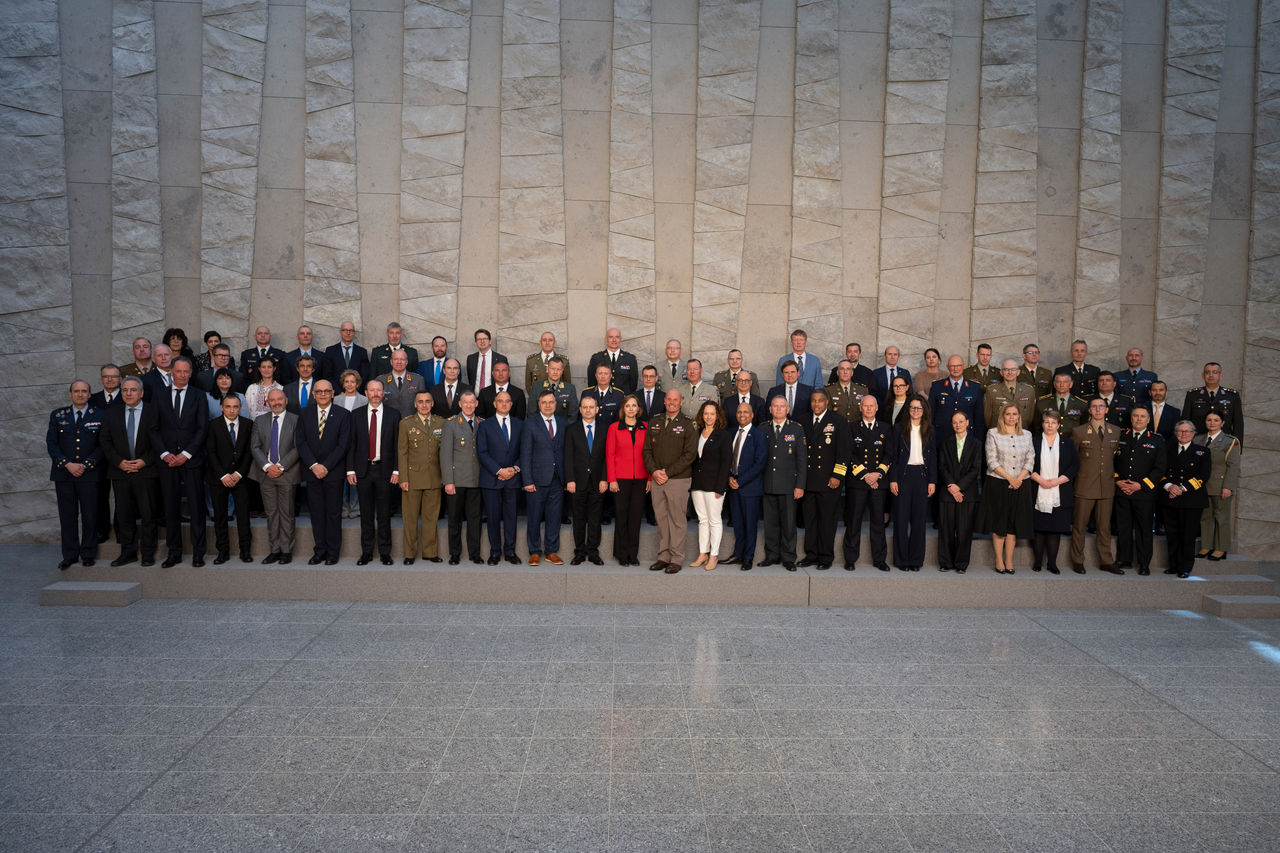
On Tuesday (28 April 2026), NATO’s Logistics Committee met at NATO Headquarters in Brussels to review the progress made in strengthening the Alliance’s logistics for collective defence. Discussions focused on preparing and exercising reinforcement, Logistics Action Plan Implementation, delivering the necessary Host Nation Support, and ensuring effective logistics in a contested environment. Allies stressed that practising these logistics efforts is essential. Exercises help ensure that everything works, not just on paper, and improve overall readiness.
They also reviewed progress on major logistics initiatives and agreed on next steps. This includes improving common standards across countries and addressing operational energy, such as fuel supply and energy use in military operations. These discussions will help shape decisions at the upcoming NATO Defence Ministers’ meeting in June.
Another key theme was cooperation beyond the military. Allies highlighted the importance of strong partnerships between civilian authorities, the military, and industry in increasing production capacity and ensuring smooth coordination in times of crisis. For the first time, the meeting included a joint session between national logistics directors and senior national officials responsible for resilience.