
Close
Back


From now on you can download videos from our website
If you would also like to subscribe to the newsletter and receive our latest updates, click on the button below.
Enter the email address you registered with and we will send you a code to reset your password.
The password must be at least 12 characters long, no spaces, include upper/lowercase letters, numbers and symbols.
Click the button to return to the page you were on and log in with your new password.
In November 2025, the NATO Science for Peace and Security (SPS) Programme launched the second edition of its photo contest. The innovative approaches, breakthrough experiments and in-depth scientific collaboration between NATO member and partner countries, supported by the SPS Programme, contribute to the security of the Alliance.
In this edition of the SPS photo contest, the Programme received 56 submissions in two categories: People of SPS and Technology in Action.
The winner in the People of SPS category is a photo from the SPS project ‘Innovative Sensor Integration for Remote Landmine Detection’, led by scientists from Università degli Studi di Firenze, the National Academy of Sciences of Ukraine and the Franklin and Marshall College.
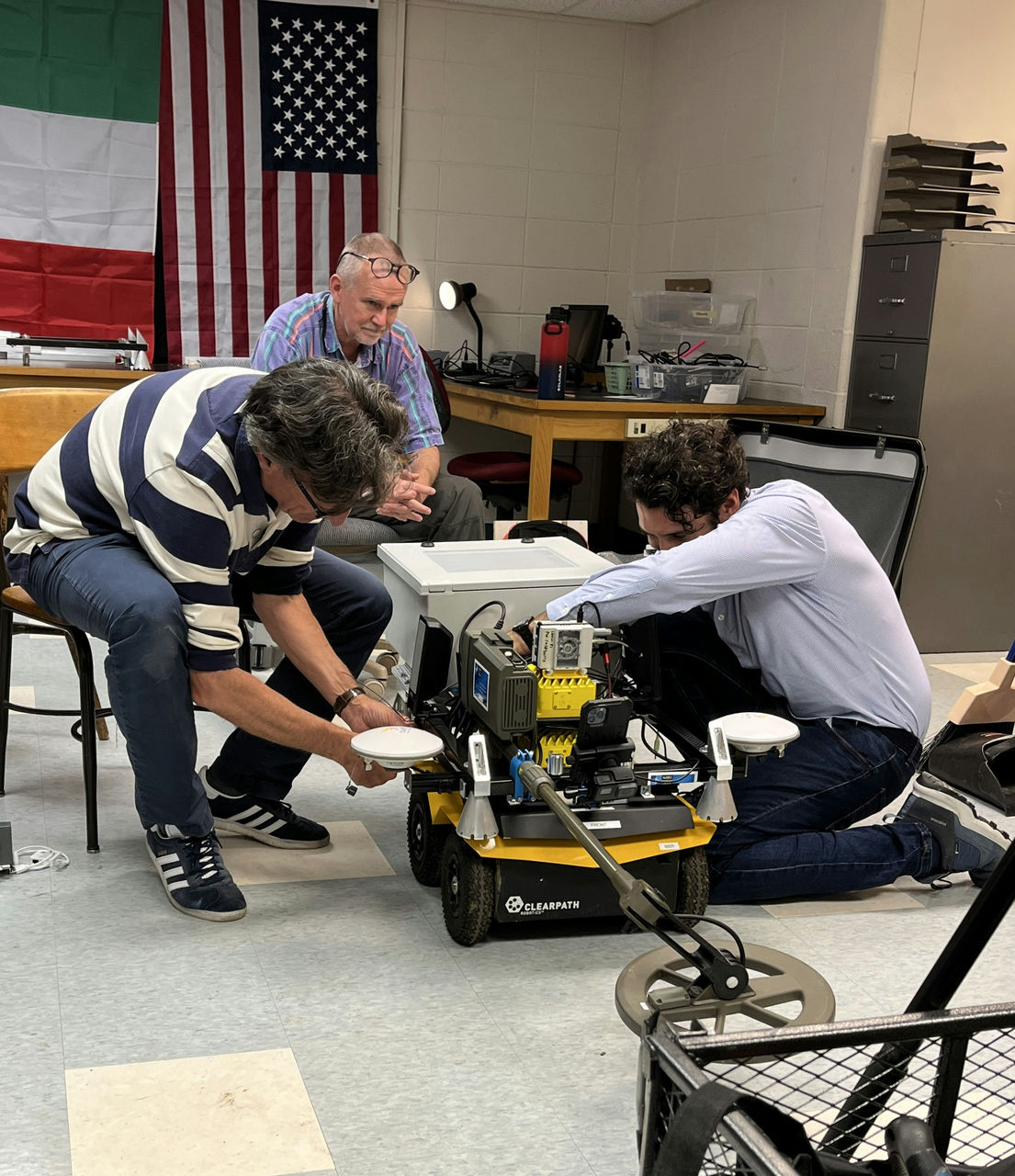
Winning photo in the People of SPS category: the SPS project ‘Innovative Sensor Integration for Remote Landmine Detection’
Launched in 2024, the project aims to develop a system for the uncrewed and unsupervised detection and mapping of landmines in post-conflict scenarios. The winning photo depicts participating scientists assembling a prototype robot designed for remote landmine detection capable of operating with four interchangeable sensor configurations.
The winner in the Technology in Action category is a photo from the SPS project ‘Cybersecurity for Safe Underwater Acoustic Communications (SAFE-UComm)’.
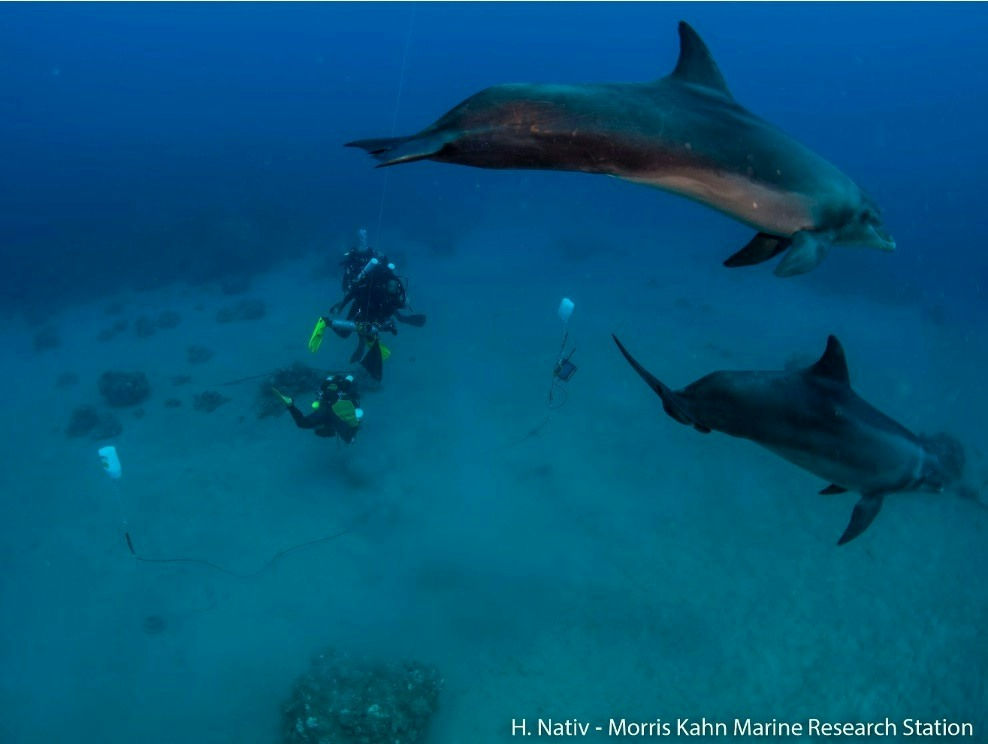
Winning photo in the Technology in Action category: the SPS project ‘Cybersecurity for Safe Underwater Acoustic Communications (SAFE-UComm)’
Launched in 2021 this recently completed project saw scientists from the University of Trento, the University of Padova, the University of Haifa, the University of British Columbia and Newcastle University work together to develop an underwater cybersecurity framework. In the winning photo, dolphins engage with the researchers, while they collect dolphin whistle vocalisations for biomimicking interception in order to improve underwater acoustic communications.
Innovation and collaboration between NATO and partner countries’ scientific ecosystems contributes to maintaining NATO’s technological edge to help face the security challenges of today and tomorrow.