Close
Back


From now on you can download videos from our website
If you would also like to subscribe to the newsletter and receive our latest updates, click on the button below.
Enter the email address you registered with and we will send you a code to reset your password.
The password must be at least 12 characters long, no spaces, include upper/lowercase letters, numbers and symbols.
Click the button to return to the page you were on and log in with your new password.
03 December 2025
2 MIN READ
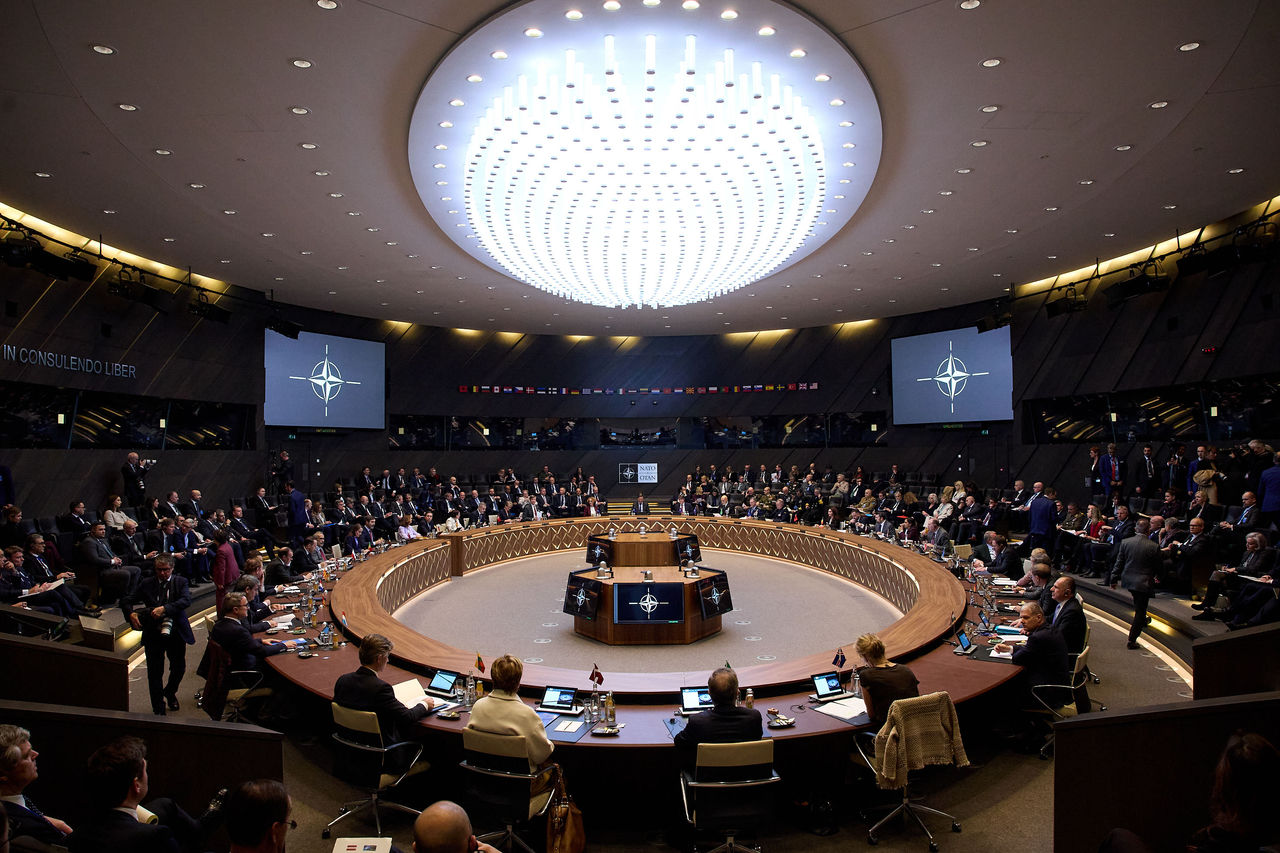
NATO Foreign Ministers concluded their meeting in Brussels today (3 December 2025), marking the midpoint between this year’s Summit in The Hague and the Ankara Summit in 2026. Secretary General Mark Rutte highlighted the ongoing threat posed by Russia, its war against Ukraine and its reckless actions against NATO, including airspace violations and cyberattacks.
Ministers emphasised the need for strength and unity, focusing on a credible path to achieving the 5% GDP defence spending target by 2035, with support for Ukraine counting toward this goal. “This is not just about numbers; it is about building a stronger, more adaptable Alliance capable of deterring any aggression and defending every inch of Allied territory.” Mr. Rutte stated, noting enhancements to eastern flank forces and modern equipment.
In the NATO-Ukraine Council session, which included the participation of EU High Representative Kaja Kallas, Ukrainian Foreign Minister Andrii Sybiha updated Allies on developments and Ukraine’s urgent needs. The Secretary General welcomed President Trump’s efforts toward a just peace, and stressed unwavering support for Ukraine in the face of the additional challenges of winter. Through the Prioritised Ukraine Requirements List (PURL), Allies are delivering essential capabilities like air defence, with new commitments announced during the meeting. “Ukraine’s security is closely linked to our own. Our support must continue unabated to help Ukraine defend itself today and deter tomorrow,” Mr. Rutte said, urging accelerated pledges for 2026.
Ministers also addressed hybrid threats, and reaffirmed the priorities on which they are focused: increasing defence investments, boosting production, and sustaining aid to Ukraine. The Secretary General concluded that NATO remains a defensive Alliance, ready to protect its people and resolved to deliver security.