
Close
Back


From now on you can download videos from our website
If you would also like to subscribe to the newsletter and receive our latest updates, click on the button below.
Enter the email address you registered with and we will send you a code to reset your password.
The password must be at least 12 characters long, no spaces, include upper/lowercase letters, numbers and symbols.
Click the button to return to the page you were on and log in with your new password.
On 13 March 2017, Jens Stoltenberg released his third annual report as NATO Secretary General.
The annual report provides an overview of how NATO protected its citizens and projected stability in 2016. It includes details on how NATO is enhancing deterrence and defence, engaging in dialogue, investing in security, improving capabilities, supporting the fight against terrorism, building relationships, sharing expertise, advancing the role of women in peace and security, and adapting as an institution.
Below you will find short descriptions of – as well as direct links to – the elements of the annual report.
You can also download the full annual report.
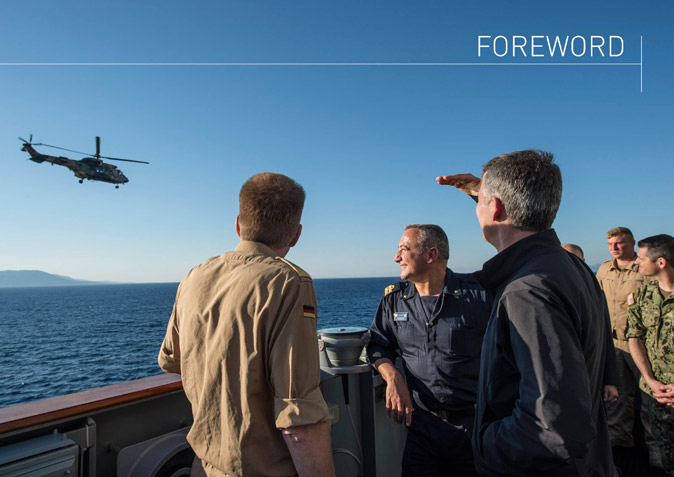
At no time since the end of the Cold War has the NATO Alliance faced greater challenges to our security than it does today.
But NATO is the most successful alliance in history because it has been able to change as the world has changed. For the first 40 years of its life, the Alliance's focus was collective defence. When the Berlin Wall came down, our focus shifted to crisis management beyond our borders – intervening to stop large-scale bloodshed and keep the peace in the Western Balkans, fighting terrorism in Afghanistan, and tackling piracy off the Horn of Africa.
Read the Foreword in the Annual Report (PDF)
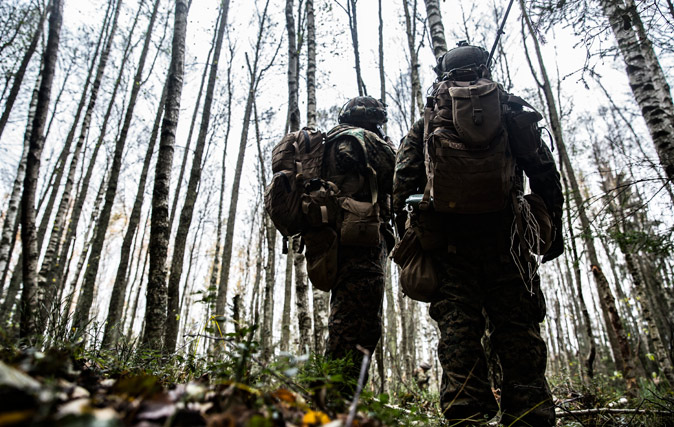
NATO's commitment to safeguarding the freedom and security of all its members is made possible by the service of men and women from across its member and partner countries.
In 2016, tens of thousands of Allied service members were deployed on land, in the air, and at sea to provide for NATO's defence and to project stability beyond NATO's borders. Whether engaged in security operations, military exercises, or training missions, the security and stability of the Alliance would not be possible without their contributions.
NATO recognises the dedication of all who serve. The Alliance owes a debt of gratitude to every man and woman in service for the risks they take and the sacrifices they and their families make while serving NATO's common purposes and values.
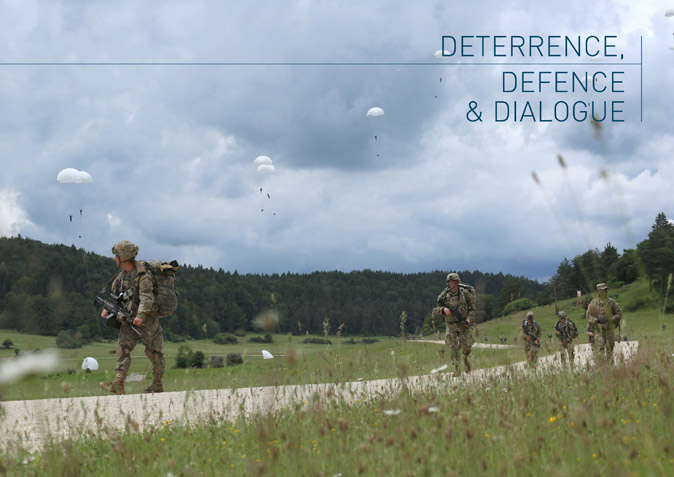
Preventing conflict means being able to deter anddefend against any potential security threat. Inrecent years, NATO has responded to a series ofnew challenges with the largest reinforcement ofits collective defence in a generation. At the sametime, as part of an overall approach to its collectivesecurity, the Alliance seeks to improve transparencyand reduce the risk of escalation by engaging inmeaningful dialogue with Russia.
Read the chapter "Deterrence, Deterrence & Dialogue" in the Annual Report (PDF)
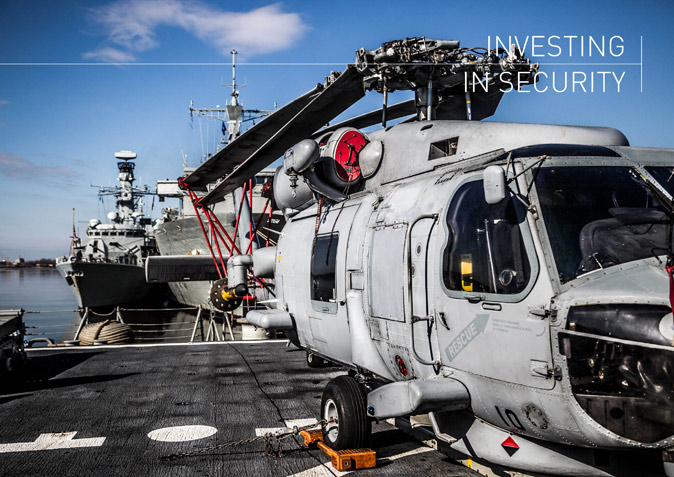
NATO is committed to defending its nearly one billioncitizens in Europe and North America. Fulfilling thiscommitment requires that Allies understand thechanging security environment, agree on policies forhow to address the challenges and threats, developand invest in the capabilities required to implementthose policies, and resolve to use their capabilitieswhen required. Each of these elements is essentialfor NATO to fulfil its purpose of safeguarding thefreedom and security of all its members.
Read the chapter "Investing in Security" in the Annual Report (PDF)
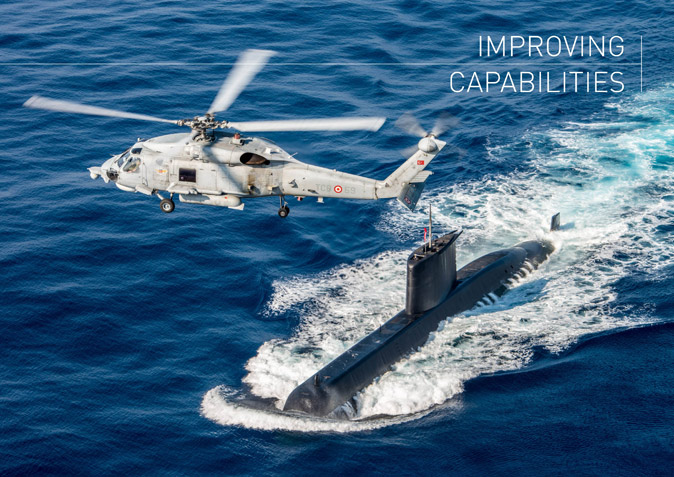
NATO's modern defence posture is based on aneffective combination of cutting-edge weaponssystems and platforms and forces trained to worktogether seamlessly. As important as it is that Alliesinvest in defence, it is also critical that those fundsare invested in the right capabilities. NATO playsan important role in assessing what capabilitiesthe Alliance needs, setting targets for nationalor collective development of capabilities, andfacilitating national, multinational and collectivecapability development and innovation.
Read the chapter "Improving Capabilities" in the Annual Report (PDF)
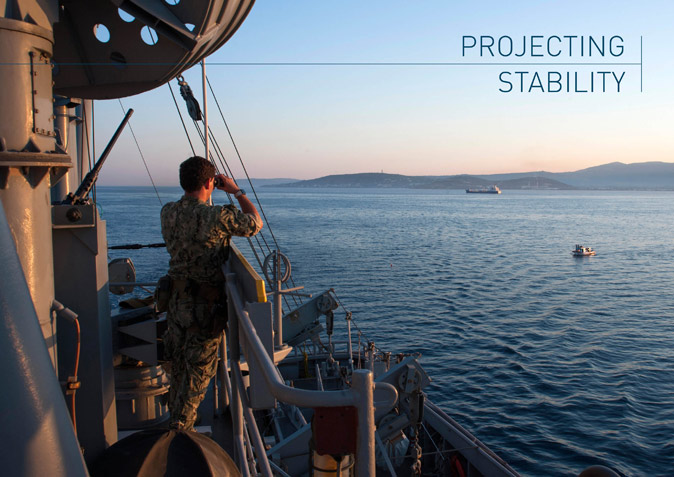
Providing for the security of the Alliance requiresnot only a strong deterrence and defence posturebut also the ability to project stability and strengthensecurity beyond NATO's borders. For NATO, thisinvolves a range of activities including providingtraining and support to countries such as Iraq andAfghanistan, conducting or contributing to missionson land, at sea and in the air, and cultivatingrelationships with partners around the world.
Read the chapter "Projecting Stability" in the Annual Report (PDF)
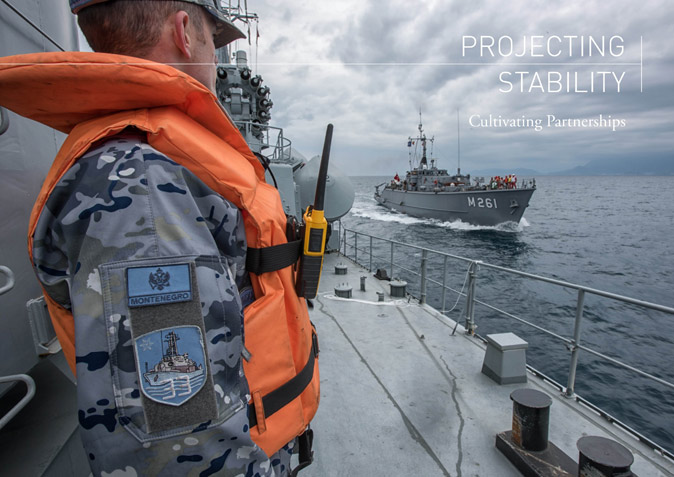
NATO maintains a broad and diverse network ofpartnerships with countries in the Euro-Atlanticregion and beyond. In 2016, partners continued tobe involved in many of the core activities that takeplace at NATO.
Partners have been integrated across NATO'sactivities and agenda, often contributing sideby-side with Allies. Through its partnerships,NATO helps countries to strengthen their ability tosafeguard their own security, both at home and aspart of international missions.
Read the chapter "Projecting Stability: Cultivating Partnerships" in the Annual Report (PDF)
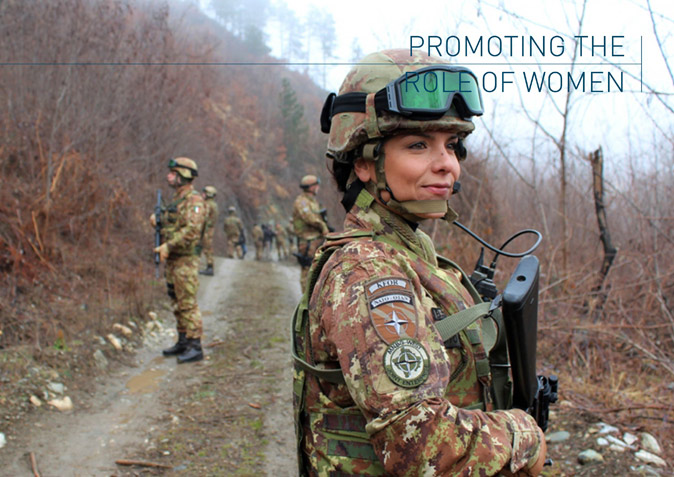
At the Warsaw Summit in July 2016, NATO leadersreiterated their belief that the empowerment ofwomen at NATO and in the military make the Alliancestronger. If peace is to be sustainable, it must beinclusive. To that end, NATO and its partners areworking together to promote the role of women inpeace and security as part of their commitmentto the implementation of UN Security CouncilResolution (UNSCR) 1325 and related Resolutions.
Read the chapter "Promoting the Role of Women" in the Annual Report (PDF)
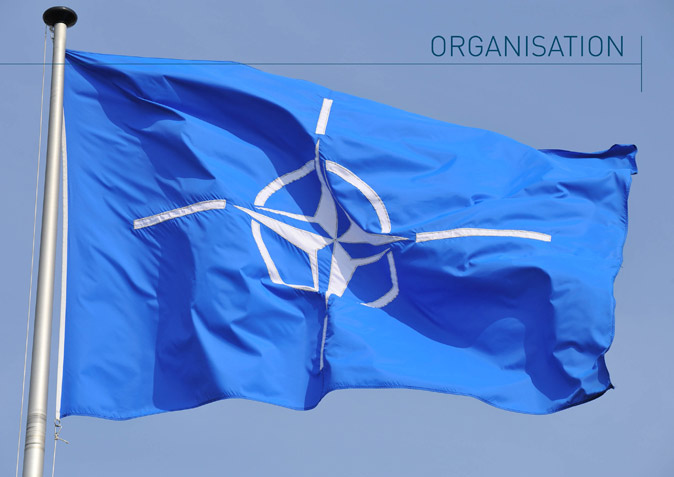
NATO is a political-military alliance of 28 countries. The Organization itself includes a number of structures that support the everyday work of the Alliance. Throughout 2016, NATO continued to implement innovative ways of working in order to improve its overall flexibility, effectiveness, efficiency and accountability despite a challenging resource environment. NATO also continues to adapt its processes and structures to ensure that it is adaptable by design and inherently flexible, resilient, and responsive to any threat. To this end, NATO continued to rigorously pursue improvements to better integrate resources and work strands, including by adopting modern and innovative approaches and ways of working. These efforts will help improve prioritisation and better align resources so that the workforce, both civilian and military, is well placed to support the achievement of NATO's top priorities.
Read the chapter "Organisation" in the Annual Report (PDF)